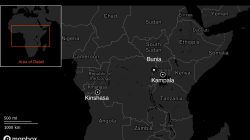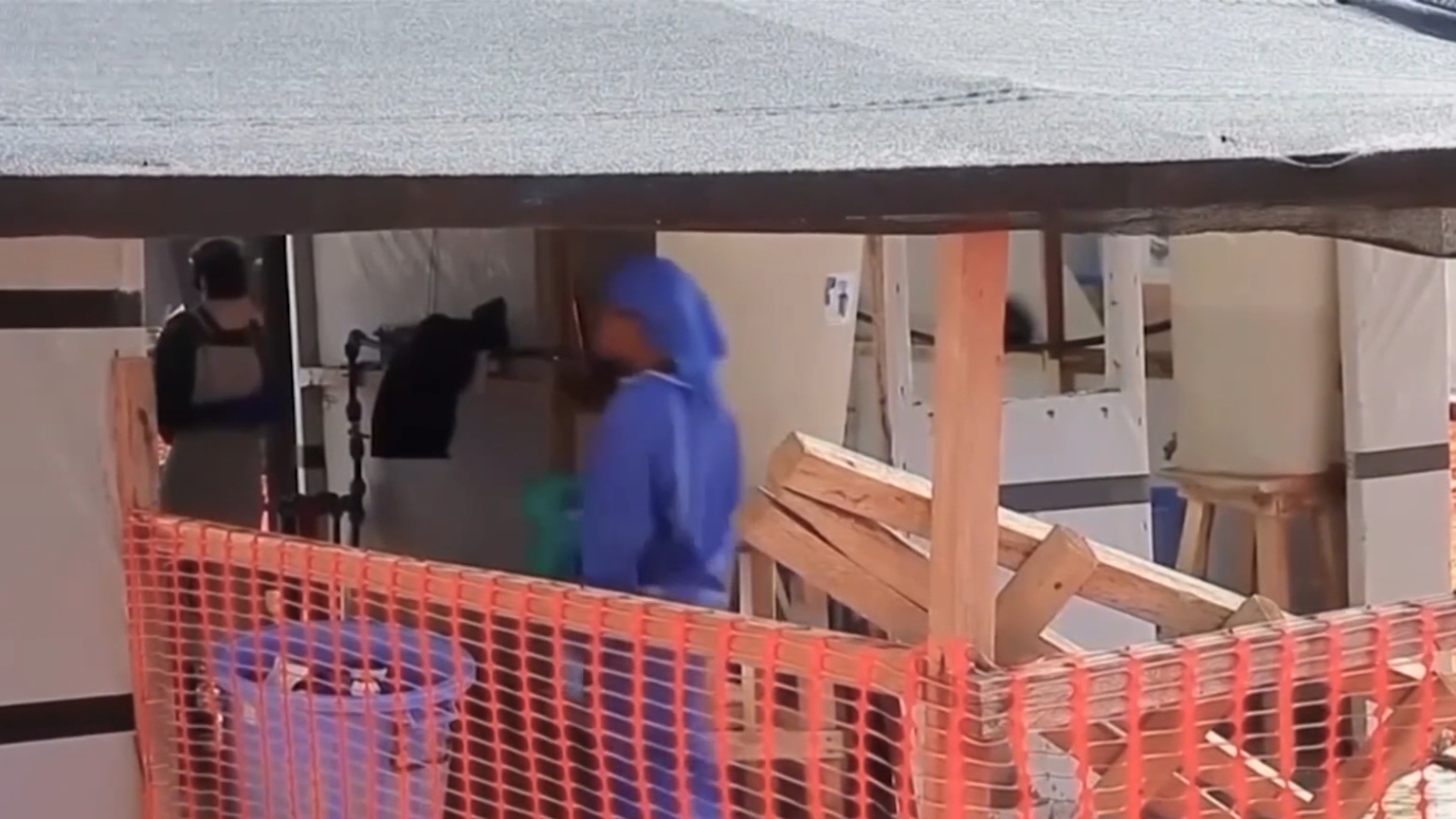

Global health authorities are working quickly to deliver aid to an area in Africa where an Ebola outbreak has already taken dozens of lives.
At least 80 people, including three healthcare workers, have died, and hundreds have been diagnosed with a rare strain of the virus causing the disease in the Democratic Republic of the Congo and Uganda. There are growing concerns that the disease could spread further, prompting the implementation of containment strategies.
What is Ebola?
Ebola disease is caused by a group of viruses. According to the World Health Organization (WHO), three of these viruses are known to cause large outbreaks: the Ebola virus, Sudan virus, and Bundibugyo virus. The current outbreak is attributed to the Bundibugyo virus, which is rare and has only been responsible for two previous outbreaks.
Ebola was first identified in 1976 and is named after the Ebola River in what is now the Democratic Republic of the Congo. The viruses that cause the disease are native to sub-Saharan Africa.
How is Ebola spread?
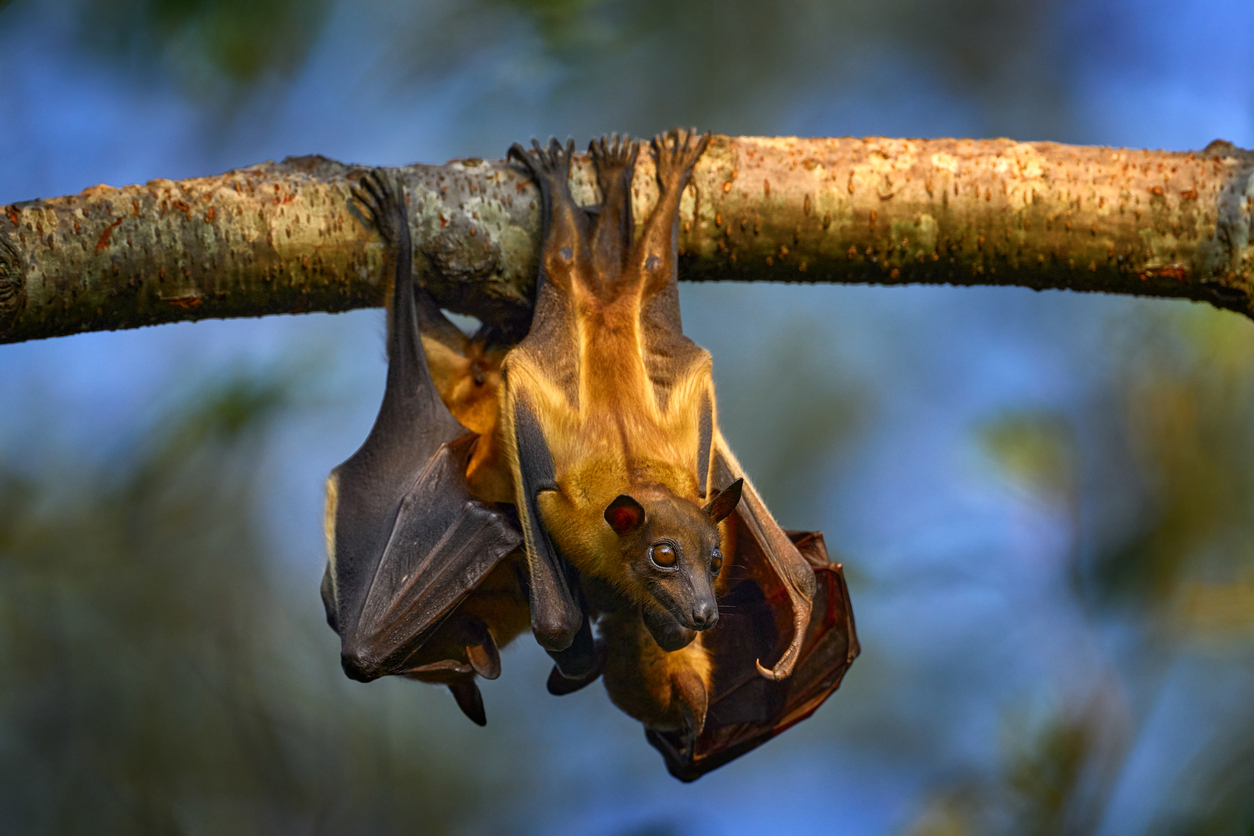
Fruit bats are believed to be the natural hosts of the viruses that cause Ebola, and other animals such as apes and monkeys can also become infected, according to the WHO. People can contract the virus from these animals, and it can spread between humans through contact with body fluids like blood, faeces, semen, or vomit of an infected person, or surfaces contaminated with these fluids.
The Bundibugyo virus, which is responsible for the current outbreak, is different from the Ebola Zaire strain that has dominated all but one of the DRC’s past 17 outbreaks.
The virus was first detected in Uganda’s Bundibugyo district during a 2007–2008 outbreak that resulted in 37 deaths out of 149 cases. The second time it appeared was in 2012 in an outbreak in Isiro, Congo, where 57 cases and 29 deaths were reported.
How deadly is Ebola?
Symptoms of Ebola typically appear between two days and three weeks after exposure, though they usually emerge within about a week, according to the US Centres for Disease Control and Prevention.
The illness begins with flu-like symptoms, including fever, muscle aches, fatigue, and a sore throat. Later stages may involve gastrointestinal problems, rashes, seizures, and internal and external bleeding.
The average fatality rate varies depending on the virus. The Ebola virus strain has a fatality rate of up to 90%, compared to 50% for the Sudan virus and around 30% for the Bundibugyo virus, according to the US Centres for Disease Control.
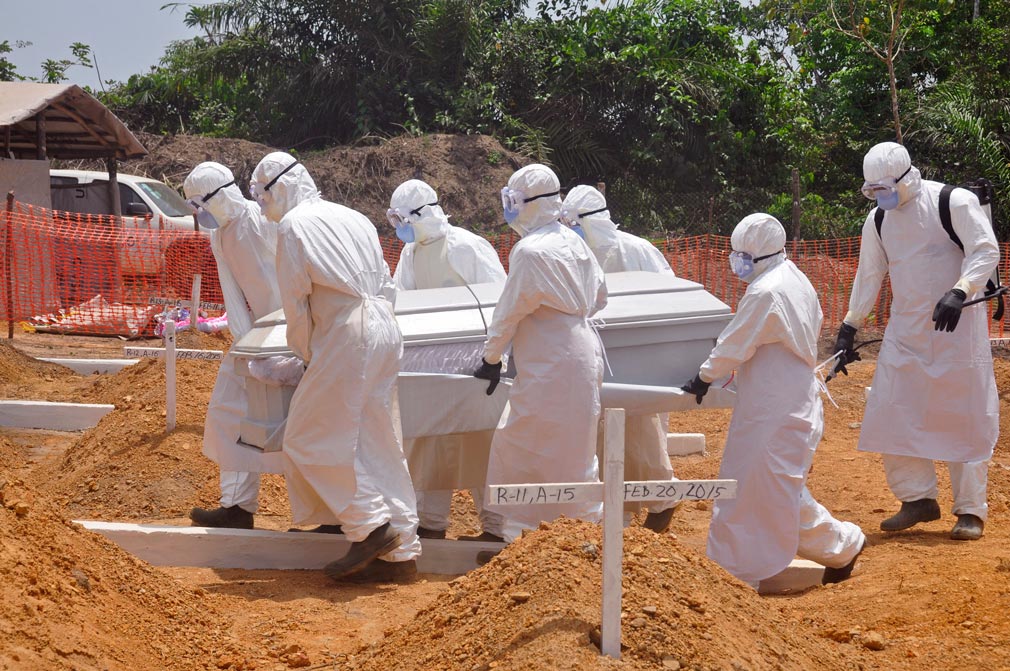
The 2014–2016 West Africa Ebola crisis led to over 11,000 deaths from more than 28,000 cases.
Are there vaccines or treatments available?
Currently, the only approved vaccine or treatment applies to the strain of the disease caused by the Ebola virus. However, there is no vaccine available for Ebola caused by the Bundibugyo virus, as seen in this outbreak.
Health authorities are focusing on containment measures, mass testing, and quarantining to prevent further spread.
Is Ebola in Australia?
There has never been an officially diagnosed case of Ebola in Australia. However, the government considers it a significant health threat and has the power to invoke special health and safety measures if a case is confirmed. This includes restrictions on people entering the country.
Should we panic?
The World Health Organisation has declared the current Ebola outbreak a public health emergency of international concern. However, WHO has stated that the outbreak does not meet the criteria for a pandemic emergency like that of COVID-19. They have advised against closing international borders.