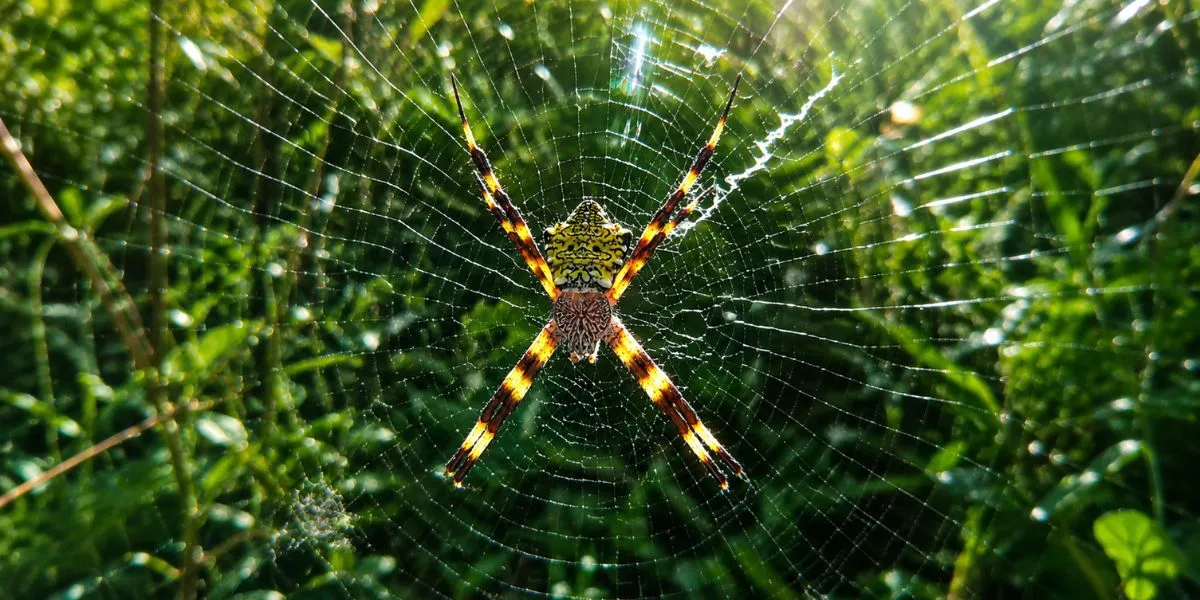
Discovery of a Unique Spider Species in Uttarakhand
A remarkable yellow-green spider with distinctive smile-like markings has been discovered in the mountain forests of Uttarakhand. This fascinating creature bears a striking resemblance to Hawaii’s famous happy-face spider, raising intriguing questions about independent evolution in distant habitats.
The species, named Theridion himalayana, was officially described in the journal Evolutionary Systematics by Ashirwad Tripathy and Devi Priyadarshini. The researchers suggested the common name “Himalayan happy-face spider” for this newly identified species.
Fieldwork Initially Focused on Ants
The discovery was made during an ant survey, as reported by several media outlets. However, the focus shifted when spider specimens from high-altitude sites were sent to Priyadarshini for identification.
“I froze in shock because I had seen the Hawaiian spider during my master’s program itself, and I knew instantly we had a jackpot because of its striking resemblance,” Priyadarshini shared.
This finding marks the first known record of a happy-face spider outside of Hawaii, highlighting the significance of the discovery.
Diverse Color Morphs and Genetic Differences
The study examined 61 spiders collected from three locations in Uttarakhand: Makku, Tala, and Mandal. Researchers documented 32 distinct color forms, which they categorized into five broad pattern groups.
DNA analysis revealed a genetic difference of approximately 8.5% between the Himalayan species and the Hawaiian happy-face spider. This genetic divergence supports the hypothesis that the Himalayan species evolved as a separate lineage in Asia.
Despite the similarities, the exact function of the spider’s markings remains unclear. “This is definitely indicative of a deeper genetic mystery,” Priyadarshini noted.
Habitat and Ecological Observations
The spiders were primarily found on the undersides of broad leaves in moist temperate Himalayan forests, typically at elevations between 2,000 and 2,200 meters above sea level.
Interestingly, the researchers observed a botanical overlap between the two species. Both the Himalayan and Hawaiian happy-face spiders were often found on ginger plants. However, in Hawaii, ginger is considered an invasive species.
“This raises an important question: How did the spiders choose an invasive species like ginger?” Priyadarshini asked.
Conservation Concerns
The study also highlights potential threats to the species. Tourism, road construction, and other human activities near the habitat could pose risks, especially if leaf-level microhabitats are disturbed before the adult spiders mature later in the year.
Protecting these delicate ecosystems is crucial to ensuring the survival of this unique spider species and its distinctive appearance.