Steven Spielberg’s Stance on AI in Filmmaking
In an era where artificial intelligence is rapidly reshaping Hollywood, Steven Spielberg, the three-time Oscar-winning director who has defined the blockbuster era for five decades, has finally delivered his definitive verdict on the role of AI in the cinematic arts. And he is drawing a hard line.
Appearing on the recent episode of the ‘IMO’ podcast with Michelle Obama and Craig Robinson, the 78-year-old filmmaker did not mince words about where the technology belongs on his sets. While he stopped short of outright condemning the tech, he issued a stern warning against letting it run the show, particularly when it comes to the sacred act of writing and directing.
“I don’t believe there is any substitute for the soul,” Spielberg stated emphatically. “I don’t think that is an algorithm that is ‘inventible,’ if there is such a word.”
Why Spielberg Rejects AI’s Creative Control
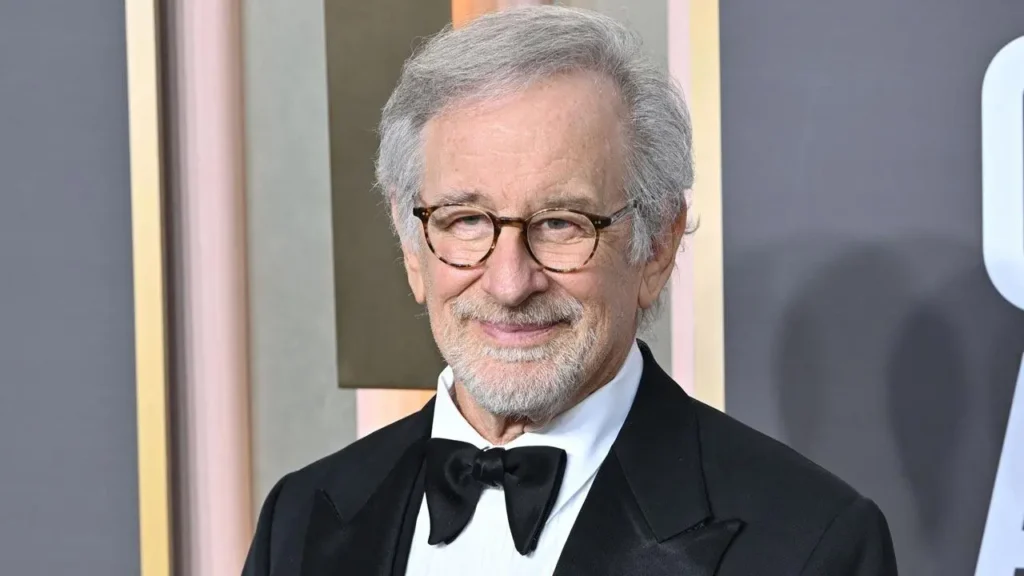
The interview comes just weeks before the release of his anticipated sci-fi film ‘Disclosure Day’ (in theaters June 12). However, Spielberg took time to address the elephant in the room regarding generative AI. Known for directing films that grapple with technology’s double-edged sword, from the prescient ‘Minority Report’ to the tragic android tale ‘A.I. Artificial Intelligence,’ Spielberg understands the tech better than most. Yet, he argues that computers lack the ineffable spark of humanity required to tell a compelling story.
Spielberg painted a vivid picture of his greatest fear regarding the entertainment industry’s rush to adopt new tools. He visualized a writer’s room with six human scribes and a seventh empty chair occupied only by a computer terminal.
“I’m not willing to substitute, because I don’t really believe in sentience,” Spielberg explained. “A computer that thinks it feels more than we feel is anathema to the way I was raised and how I’ll practice my own trade of producing and directing in the future.”
Spielberg, who began his career as a young storyteller sneaking onto Universal lots, insisted that the algorithm must never usurp the director’s vision. He delivered a mock list of commands he refuses to take from a machine:
- Don’t tell me that I don’t have the right antagonist in this movie.
- Don’t tell me how to write my dialogue for this character.
- Don’t tell me where the camera has to go.
Spielberg’s Practical Middle Ground
However, Spielberg is not a Luddite. He readily acknowledges the practical benefits of the new wave of computing power, specifically regarding the grunt work of filmmaking. He pointed out that if the technology can save his crew time and money on logistical tasks, he is all for it.
“If AI wants to help me find locations, that’s great,” he conceded. “Saves us all a lot of legwork.”
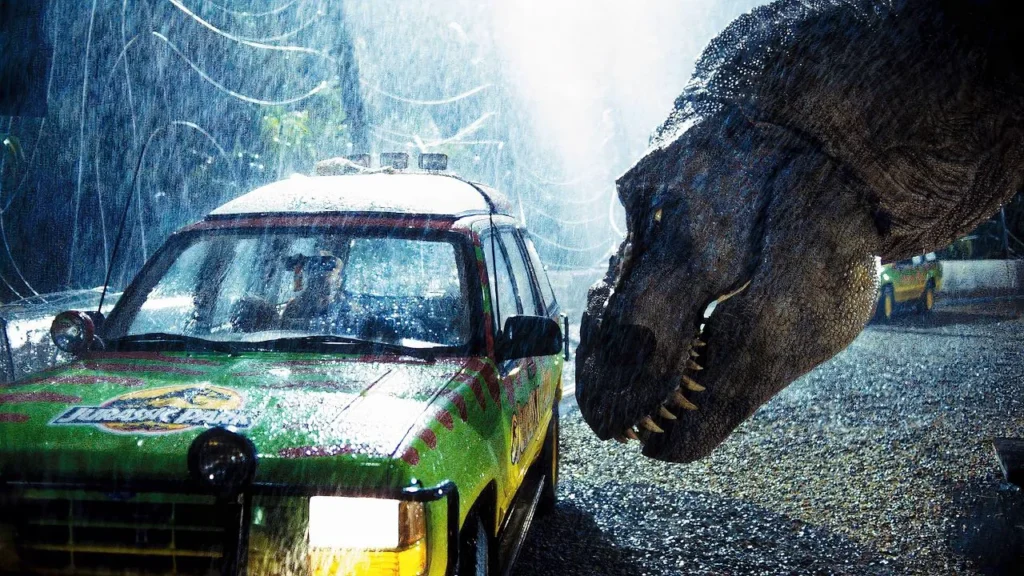
He cited the film ‘Jurassic Park’ (1993) as a lesson in technological disruption. The movie revolutionized visual effects, famously making the stop-motion animation techniques of artists like Phil Tippett “extinct” overnight, though Tippett pivoted to consultancy.
“That kind of made certain careers somewhat extinct,” Spielberg recalled. “So, I’m very sensitive to things that AI may do to take work away from people.”
Spielberg’s Final Word on Creativity
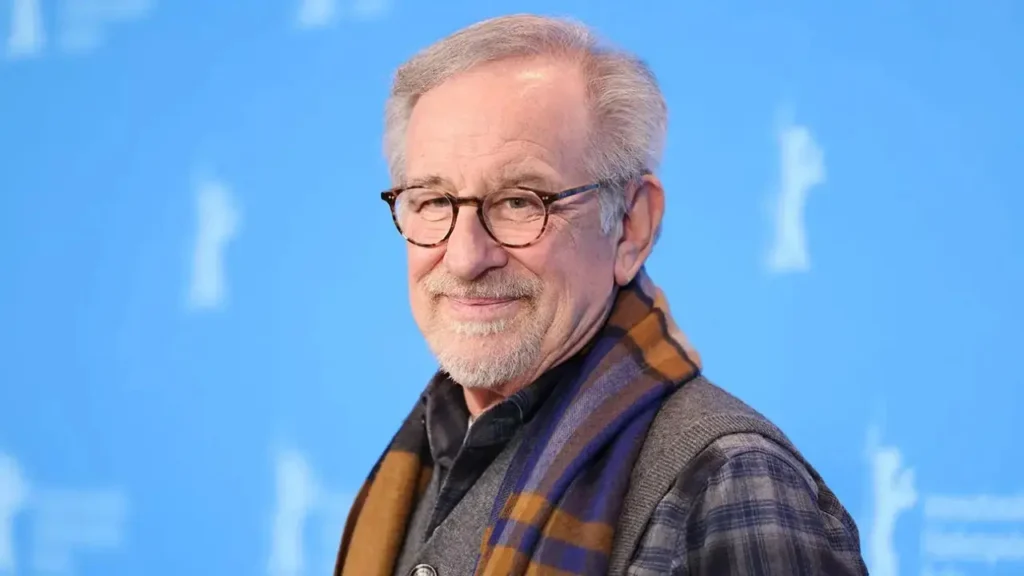
While Spielberg admitted he is “withholding judgment” until he sees how the tech evolves, his stance remains firm: AI is a tool in the chest, not the carpenter.
“Use AI as a tool, but do not use AI as the final word on anything creative,” he concluded. “That’s where I draw the line.”
As the WGA and SAG-AFTRA contracts continue to legislate the use of AI in studios, Spielberg’s voice adds a powerful, soulful weight to the argument that no matter how fast the processors run, the human heart, flawed and unpredictable, remains the only true source of movie magic.