

When it comes to looking younger, there’s no magic food that can turn back the clock. Aging is a natural process influenced by genetics, sun exposure, sleep, smoking, stress, hormones, and the everyday wear and tear on our bodies. However, what we eat plays a significant role in how healthy, hydrated, and resilient our skin appears.
Rather than thinking of “younger-looking” foods as a quick fix, it’s more useful to consider them as part of a broader strategy for maintaining skin health. While a good diet won’t erase wrinkles or replace sunscreen, it can support the body’s systems responsible for skin structure, repair, inflammation, and antioxidant defense. Like exercise, there’s no single food that can solve all skincare issues, but a consistent, balanced diet can provide the nutrients your skin needs to function properly.
What Food Can Realistically Do For Your Skin
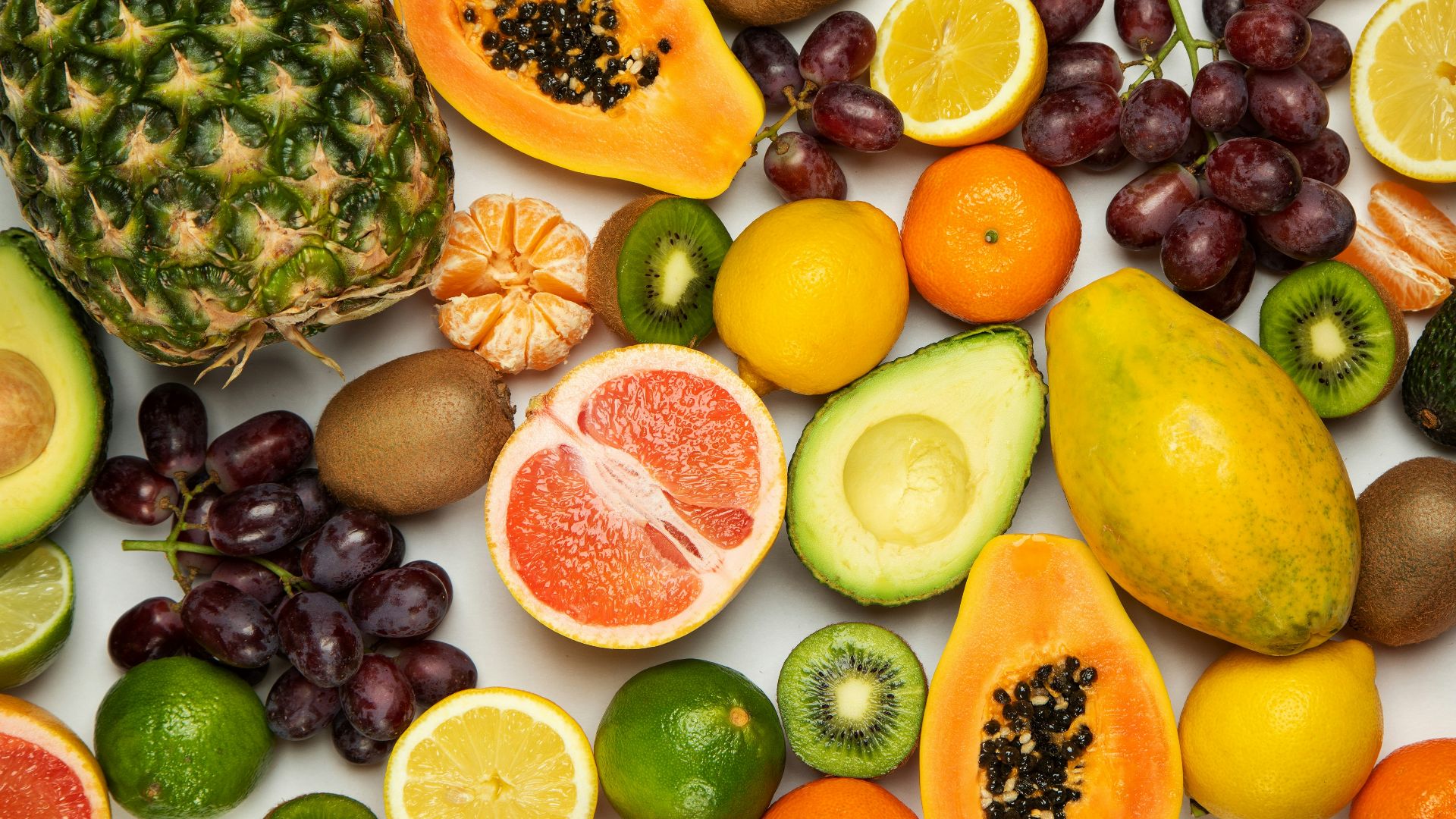
Skin aging isn’t just about the surface—it affects deeper layers over time. Collagen and elastin change, the skin barrier becomes less efficient, and oxidative stress contributes to visible changes. Research on nutrition and skin aging highlights how certain vitamins, carotenoids, and other dietary compounds are linked to skin health.
This doesn’t mean that diet alone can reverse aging. Instead, it suggests that food may influence some of the processes that affect how skin looks and functions. The most realistic claim is that certain foods can help maintain healthier-looking skin when they’re part of a consistent diet.
A tomato, an orange, or a piece of salmon might not be a permanent solution, but they offer valuable nutrients that the body uses for collagen formation, antioxidant protection, and normal cell function. Colorful fruits and vegetables, fish, beans, lentils, nuts, seeds, whole grains, olive oil, yogurt, eggs, tofu, and other protein-rich foods all contribute to a skin-supportive diet.
The Nutrients That Matter Most
Vitamin C is one of the most well-known nutrients linked to skin health. According to the National Institutes of Health, vitamin C is essential for collagen biosynthesis, which is a key component of connective tissue. Foods rich in vitamin C—such as citrus fruits, strawberries, kiwi, bell peppers, broccoli, Brussels sprouts, tomatoes, and potatoes—are great additions to a diet focused on supporting skin health.
Protein is also important, as collagen itself is a protein. Harvard’s Nutrition Source describes collagen as the body’s most abundant protein, found in skin, bones, muscles, tendons, and cartilage. A balanced diet with enough protein from sources like fish, eggs, yogurt, poultry, tofu, lentils, beans, and lean meats provides the amino acids needed to maintain tissues.
That said, collagen supplements shouldn’t take center stage. According to Harvard’s Nutrition Source, collagen from food or supplements is broken down into amino acids during digestion, just like any other protein. It makes more sense to focus on regular protein, vitamin C-rich produce, and a nutrient-dense diet before turning to supplements.
Healthy fats also play a role in skin health. The National Center for Complementary and Integrative Health explains that EPA and DHA omega-3 fatty acids are found in seafood, especially cold-water fish, while ALA is present in foods like flaxseed, chia seeds, and walnuts. Salmon, sardines, trout, walnuts, chia seeds, and ground flaxseed can easily be incorporated into meals without making dinner feel complicated.
Eating Patterns
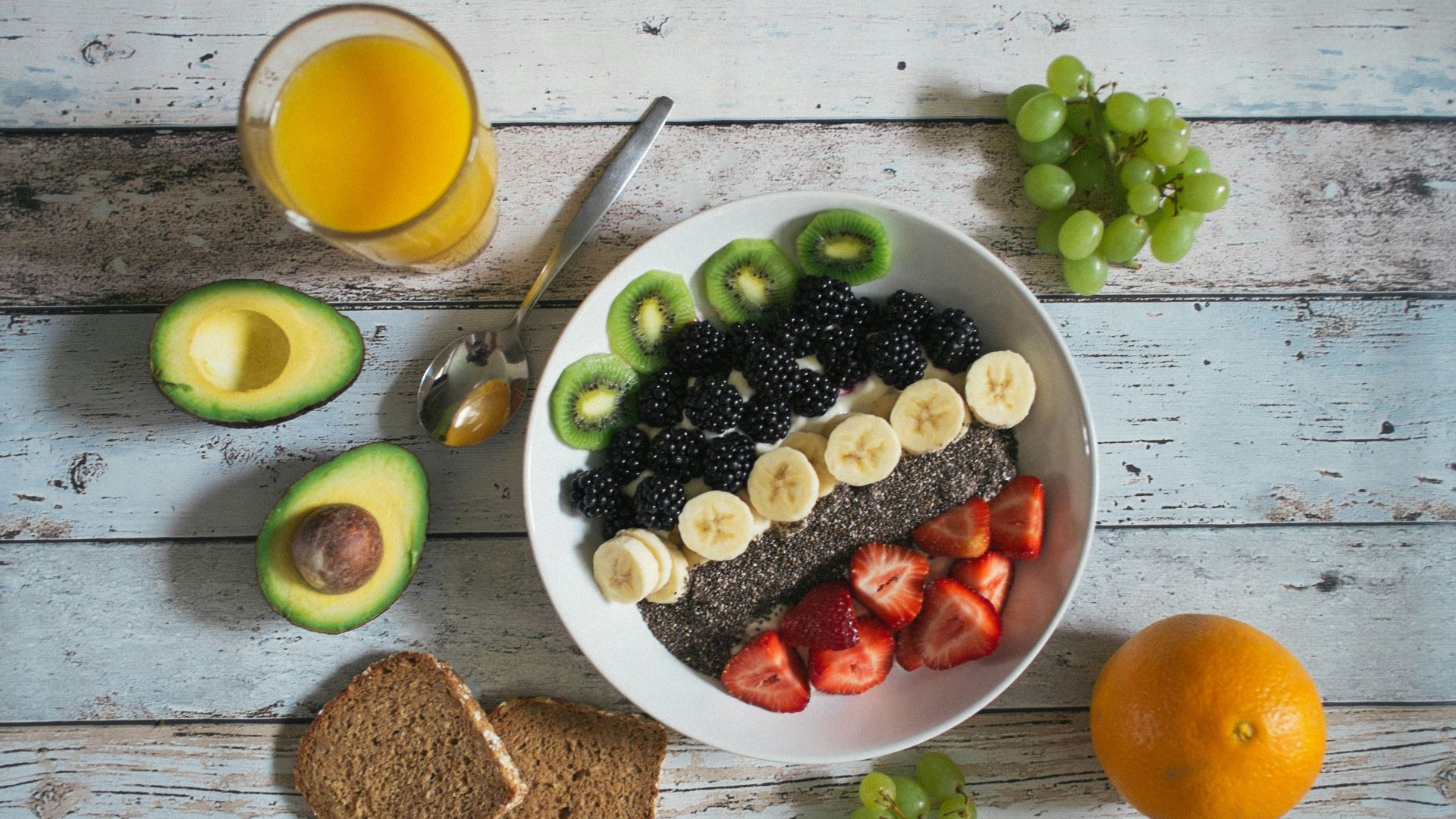
One broad eating pattern that supports skin health is a mostly whole-food diet rich in plants. Berries, greens, tomatoes, carrots, sweet potatoes, peppers, grapes, herbs, beans, oats, nuts, and seeds add fiber and a variety of plant compounds to your plate. You don’t need to memorize every antioxidant to benefit from adding more color and variety to your meals.
A Mediterranean-style diet is a useful model because it includes many of these foods, along with fish, olive oil, whole grains, and legumes. Harvard Health has linked this style of eating to lower inflammation and healthy aging, even though it’s not a direct skin treatment. Think of it as a sensible approach that aligns with skin-friendly habits rather than a beauty prescription.
On the flip side, a diet high in added sugars and refined carbohydrates may be less beneficial for skin. One concern is glycation, a process where sugars bind to proteins such as collagen and elastin. A review on advanced glycation end products (AGEs) highlights their relevance to skin aging due to their impact on skin structure and function.
So, can certain foods actually make you look younger? Not in the instant, dramatic way people often imagine. A better answer is that vitamin C-rich produce, adequate protein, omega-3-containing foods, colorful plants, fiber-rich carbohydrates, and mostly whole foods can help support healthier-looking skin over time.