The Digital Detox Trend and Its Growing Popularity
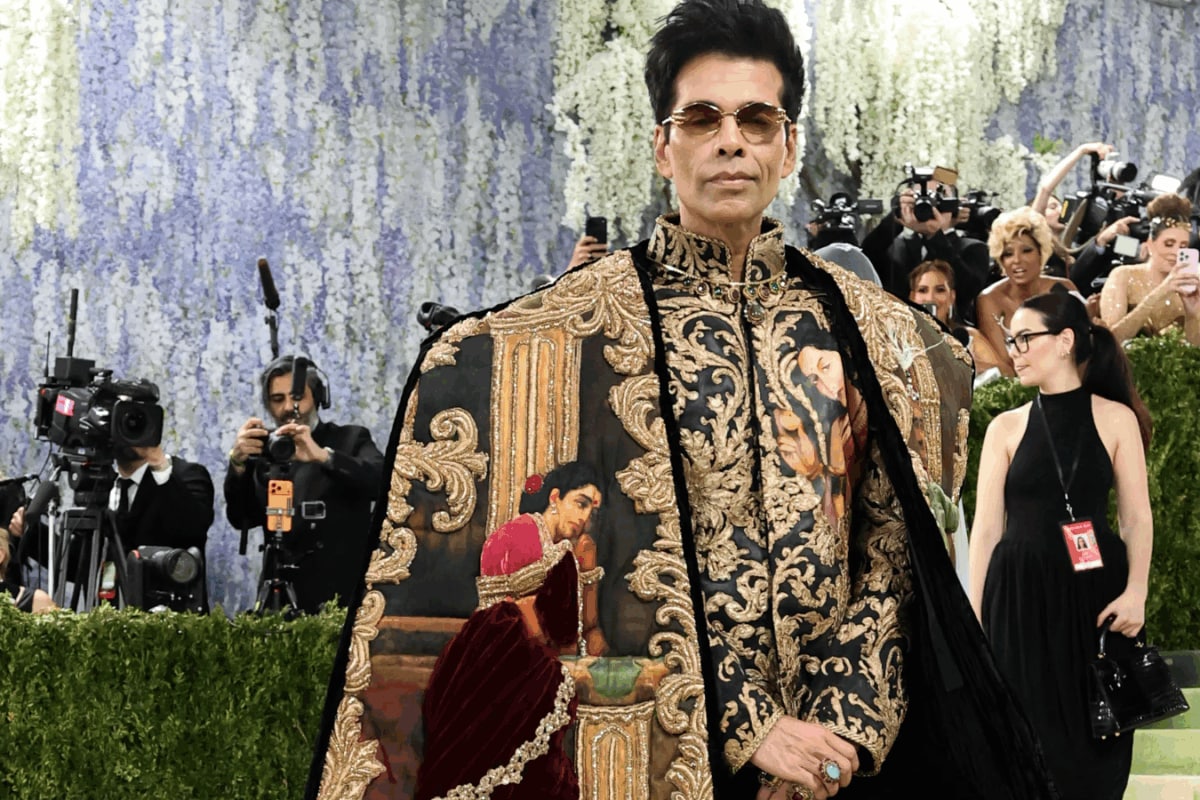
Karan Johar, a prominent filmmaker in the Indian film industry, recently created a stir when he unfollowed several high-profile celebrities on Instagram, including Shah Rukh Khan and Alia Bhatt. This move quickly became the subject of widespread speculation and media coverage. Eventually, Karan addressed the situation in an Instagram Story, explaining that he was undertaking a “DIGITAL DETOX!!!” to reduce the time and energy he spent on the platform.
In today’s world, where many people start their day by checking their phone for notifications before even speaking to someone, stepping away from social media has become an increasingly radical act. When someone as influential as Karan Johar does it, it naturally piques the curiosity of the public.
This action also reflects a growing awareness among public figures about the mental health impacts of constant social media use. It highlights how social media can be more than just a source of entertainment—it can become a significant contributor to anxiety, sleep deprivation, and emotional exhaustion.

What is a Digital Detox?
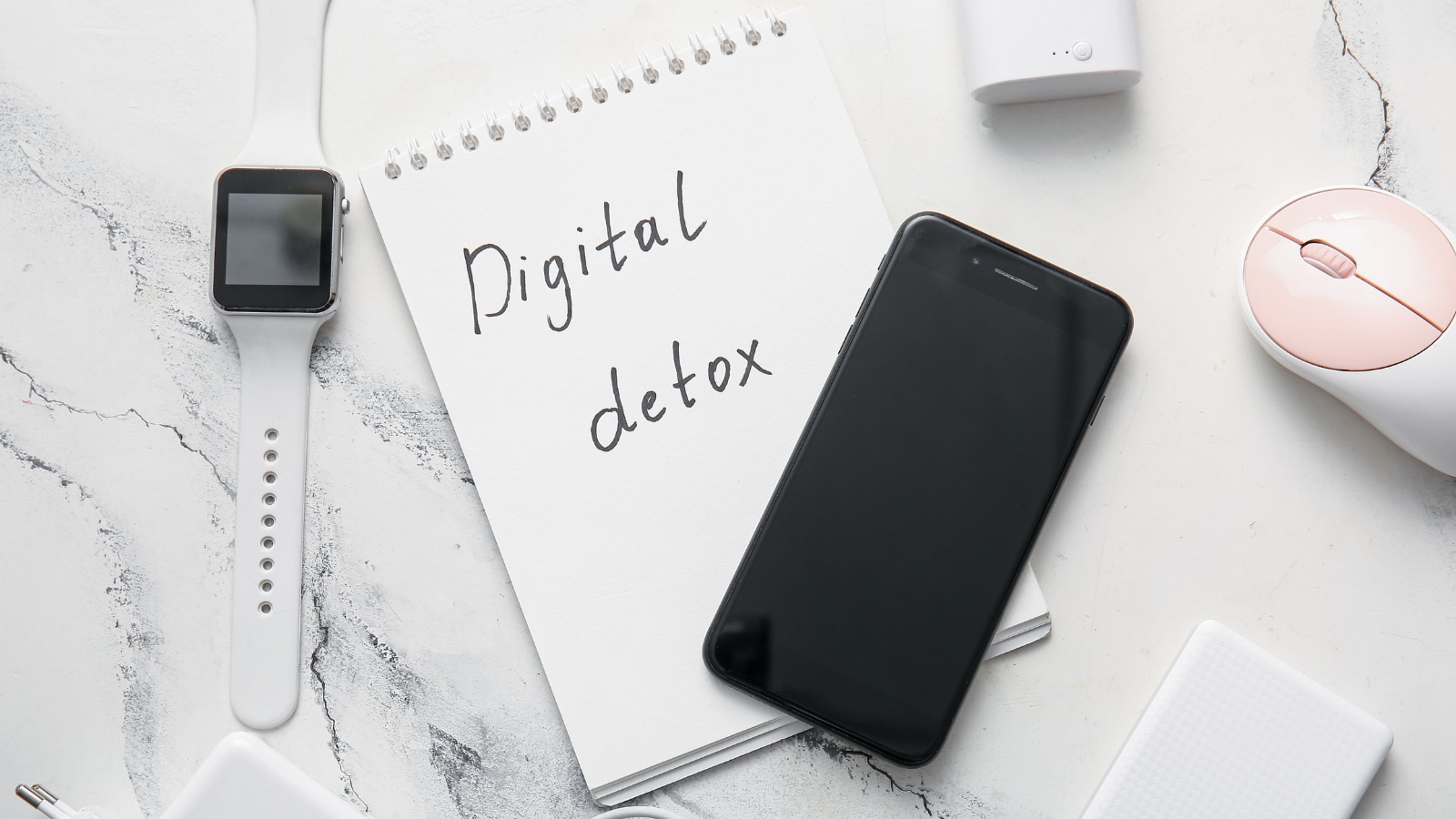
A digital detox involves consciously choosing to step back from electronic devices and social media apps. The goal is to curb the habit of “doomscrolling,” which refers to endlessly scrolling through negative or comparative content online. For both high-profile individuals and everyday users, social media feeds can shift from being sources of entertainment to significant stressors.
By reducing the number of accounts he follows and cleaning up his feed, Karan took a proactive approach to protecting his emotional well-being. When your feed is filled with curated highlights from hundreds of people, your brain is constantly subjected to passive comparison, overstimulation, and the pressure to stay updated.
Why Doomscrolling Feels So Mentally Draining
Mental health experts have linked excessive screen time and compulsive scrolling to various issues, including anxiety, reduced concentration, disrupted sleep cycles, emotional burnout, and heightened stress levels. Social media creates an environment where people are constantly exposed to updates about others’ lives—whether it’s holidays, bodies, achievements, relationships, or careers.
What makes doomscrolling particularly addictive is its unpredictability. Algorithms continuously feed emotionally stimulating content, keeping users engaged in an endless cycle of swiping for the next emotional hit, whether it’s outrage, gossip, entertainment, or validation.
Over time, this hyper-stimulation can lead to mental fatigue, even if you haven’t physically done much.
Why More People Like Karan Johar Are Quietly Logging Off
Digital detoxing is no longer something only wellness influencers or meditation retreats promote. Increasingly, celebrities, professionals, students, and even corporate employees are experimenting with setting boundaries around their screen time to improve focus and mental clarity.
Some people are muting notifications, while others are temporarily removing social media apps, limiting screen hours, avoiding phones before bedtime, or creating “no-scroll mornings.” The goal is not necessarily to reject technology entirely but to prevent it from constantly consuming emotional attention.
Why You Should Try ‘Digital Detox’ Too
Experts agree that regular digital detoxes offer numerous health benefits:
- Reduced Anxiety & Stress: Constant exposure to curated lives and negative news can increase anxiety. A break helps reset your mind.
- Better Sleep: Blue light from screens disrupts melatonin production. Cutting screen time, especially before bed, improves sleep quality.
- Improved Focus & Productivity: Without endless notifications, concentration levels rise significantly.
- Stronger Real-Life Connections: Less time online often leads to more meaningful face-to-face interactions.
- Mental Clarity: Stepping back helps gain perspective and reduces comparison-driven feelings of inadequacy.