A Difficult Journey Home
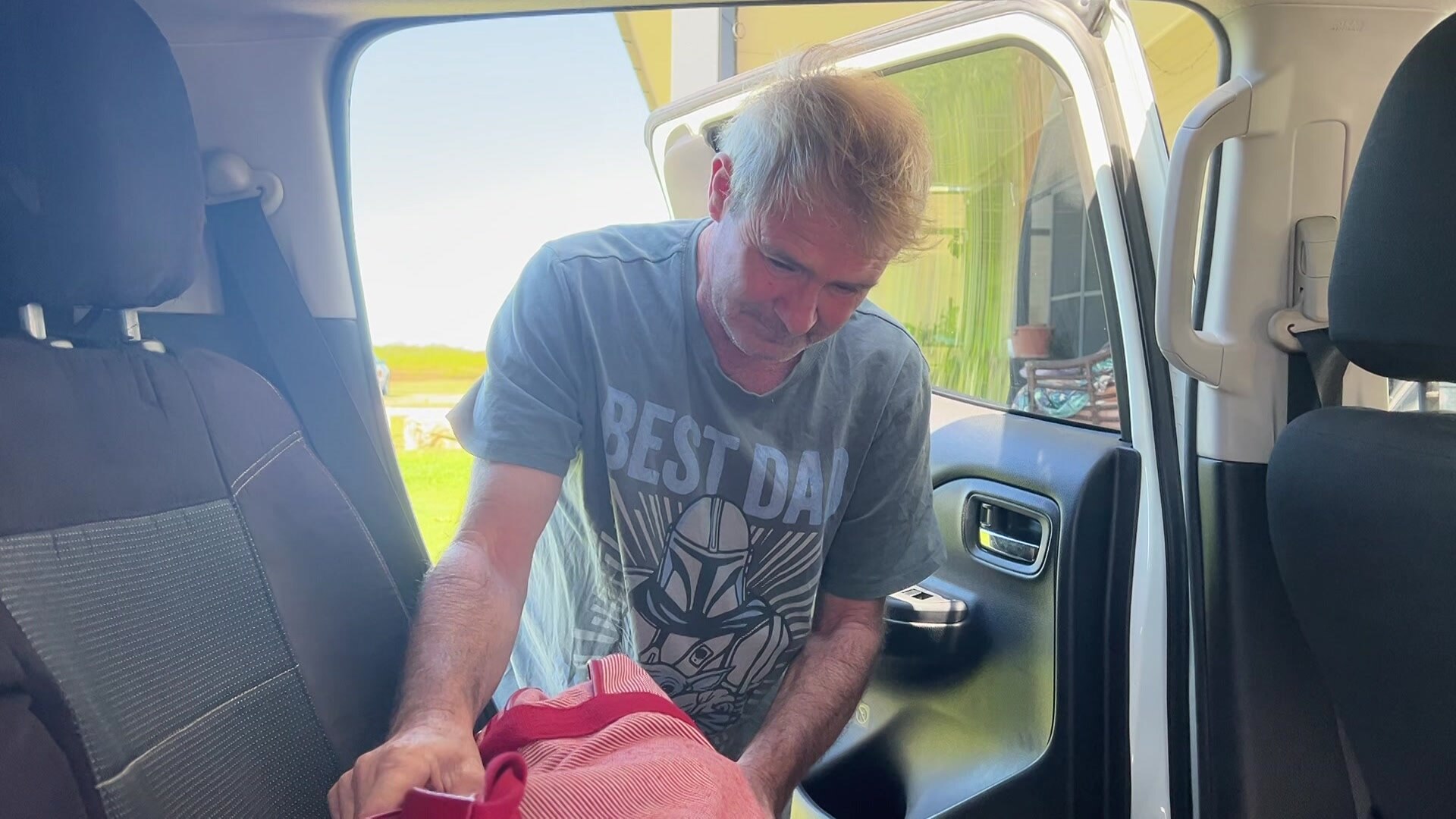
Kevin O’Neill left the hospital feeling exhausted and in pain, unsure of how to get home. His wife, Rebecca, had driven him 300 kilometers that morning from their home in Boonooroo, a small town on the edge of a national park near K’gari (Fraser Island). This was not the first time Mr. O’Neill had made the trip; he had visited Brisbane’s Prince Charles Hospital multiple times over the past two years to see specialists for a dangerous artery blockage.
This particular visit was supposed to be different—he was scheduled for surgery and planned to stay overnight. However, his plans were disrupted when, after waiting for three hours, hospital staff informed him that his surgery had been cancelled.
Ms. O’Neill, who had driven him to the hospital, decided to return home, intending to come back the next day. She explained that the accommodation allowance provided by Queensland’s Patient Travel Subsidy Scheme (PTSS) made an overnight stay unaffordable. “It’s only $70. Where can you get accommodation for $70 in Brisbane?” she asked.
While trying to book a train ticket for her husband, she discovered that trains had been cancelled due to hailstorms. She then tried to arrange accommodation through the PTSS office at her local hospital, but staff told her there was no contact available after 4 p.m.
Mr. O’Neill called his teenage son, Caleb, who lived in a small dormitory room on the University of Queensland campus. Caleb gave his father his bed for the night, while the 19-year-old slept on an air mattress in the dormitory’s living room.
“What if this were someone older, who didn’t have someone to rely on?” Ms. O’Neill said. “What are they doing?”
The PTSS Under Scrutiny
In the 2024–25 financial year, the PTSS supported more than 81,000 patients who submitted over 310,000 claims for accommodation and travel subsidies. The scheme provides an accommodation allowance of $70 per night and a rate of $0.34 per kilometer for private vehicle use. These rates saw a 14% increase in the 2023–24 budget.
However, advocates argue that further increases are necessary to keep up with inflation. In September last year, Health Minister Tim Nicholls announced a review of the PTSS to ensure its effectiveness. When questioned by the ABC’s Susan Graham-Ryan, Mr. Nicholls stated that the reporter would need to ask the treasurer about potential rate increases, saying the scheme was not intended to cover full costs of accommodation and travel.
Rural patient advocate Justine Christerson believes the accommodation allowance should be doubled, and the transport subsidy should match the tax rebate of $0.88 per km for work-related car expenses. She criticized Mr. Nicholls’ reluctance to commit to higher PTSS rates, especially considering the travel entitlements paid to MPs.
“I think the government has been quite out of touch with the Patient Travel Subsidy Scheme for quite some time,” Ms. Christerson said.
Delays and Disruptions
According to mandatory Queensland Health guidelines, subsidies should be paid within 30 business days of receiving complete claims. Hospitals are also required to enable travel and accommodation bookings after hours.
Ms. Christerson frequently hears reports from patients about delayed payments. “This is a breach of Queensland Health protocol. It’s not acceptable,” she said.
Ms. O’Neill said they had never received a payment within 30 days, often taking around six weeks. Their travel subsidy claims are processed by the Wide Bay Hospital and Health Service (WBHHS). A WBHHS spokesperson mentioned that in 2024, three additional staff were added to the group processing travel subsidy claims, but did not respond to questions about processing times before and after the recruitment.
A spokesperson for Mr. Nicholls told the ABC that the government had heard the public’s concerns about navigating the PTSS system. “The Crisafulli government is reviewing PTSS subsidy rates ahead of the June budget, and we’re working on system improvements to reduce complexity and speed up payment times,” the spokesperson said.
A Call for Change
Beyond funding and staffing changes, Ms. O’Neill believes the PTSS should undergo a cultural shift toward a more patient-centered approach. “They’re not taking into account the personal impact on the patient and themselves,” she said. “They’re just seeing money, that’s it. They’re not seeing what it’s actually meant to be for. What about the everyday Aussie?”