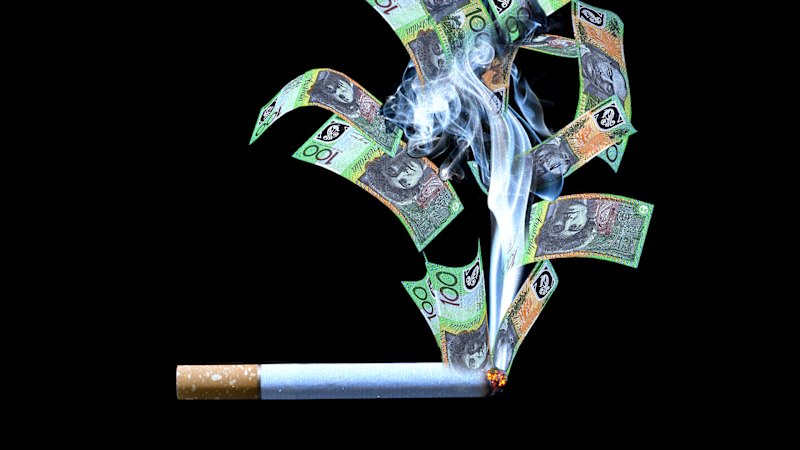
The Rise of Organised Crime in Australia’s Tobacco Market
Australia has long been a leader in anti-smoking campaigns, but the unintended consequences of its tobacco policies have created a new and troubling reality. What began as a noble effort to reduce smoking rates has inadvertently opened the door for organised crime to dominate the market. A recent Senate inquiry into the tobacco crisis has revealed how rising government taxes and weak enforcement have transformed the legal tobacco industry into a multibillion-dollar black market.
The Black Market Explosion
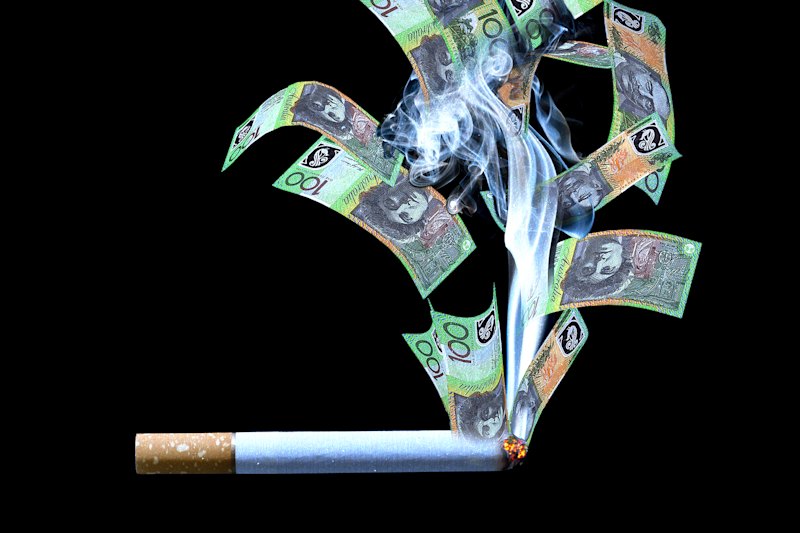
According to estimates, 65% of tobacco sales in Australia now occur on the black market—up from just 16% in 2020. This dramatic shift is driven by a near-tripling of excise duties over the past decade, which means consumers are paying $28 more in tax per pack of 20 cigarettes than they did in 2016. As a result, billions of dollars in potential government revenue have been siphoned off to criminal enterprises instead of being used to fund public services.
The situation has led to a sharp increase in smoking rates, creating what many describe as an unmitigated disaster. Unlike other countries, Australia’s experience has become a cautionary tale for global policymakers.
Industry Executives Speak Out
British American Tobacco (BAT) executive Simon Trussler highlighted the severity of the situation, stating that no other country has seen such a rapid decline in legal tobacco sales and tax receipts. He described Australia as a “salutary lesson” of how not to use tobacco taxes to achieve health or fiscal goals.
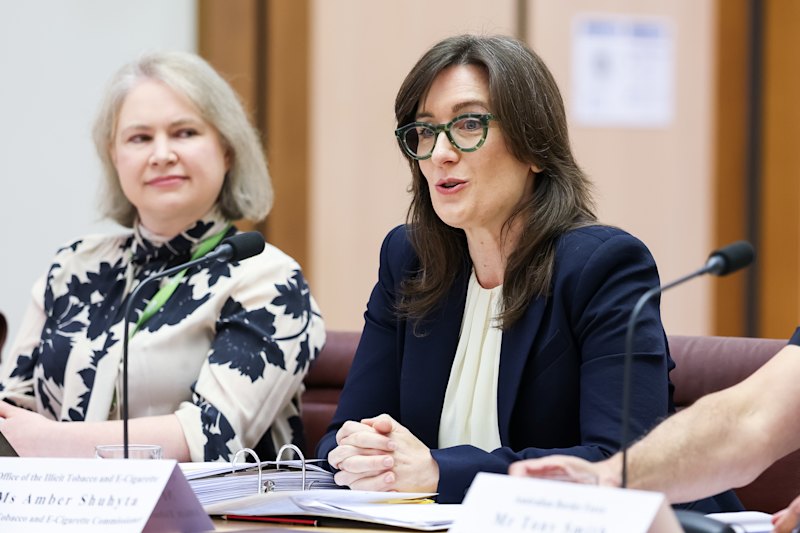
Amber Shuhyta, the Illicit Tobacco and E-Cigarette Commissioner, admitted that breaking the cycle of illegal tobacco sales will be extremely difficult. She warned that organised crime is developing innovative methods to evade detection, further entrenching their control over the market.
The Financial Impact

The Australian Association of Convenience Stores (AACS) reported that illegal tobacco accounted for about half of all cigarette sales in 2024. According to the ITEC, illegal sales captured up to 60% of the market last year, costing the government an estimated $11.8 billion in lost excise duties.
The financial resilience of global tobacco giants remains a key point of contention. Despite the collapse in legal sales, companies like BAT, Philip Morris, and Imperial Brands have continued to generate profits and pay substantial dividends. For example, BAT paid $393.2 million in dividends last year, even as its cash receipts from customers fell from $9.4 billion in 2020 to $4.1 billion in 2025.
The Debate Over Tax Policy
Oxford Economics, in a report commissioned by Ritchies IGA, predicts that without government intervention, organised crime could capture nearly 90% of total tobacco consumption by 2028-29. The report recommends reducing cigarette excise back to 2019 levels, a proposal that has sparked fierce debate among health advocates.
Dr. Danielle McMullen of the Australian Medical Association argues that cutting excise taxes would not curb illegal tobacco sales and could lead to increased smoking rates. However, Oxford Economics cites the Canadian experience as evidence that lowering excise can significantly reduce illicit trade.
A New Voice in the Debate

Nick Coatsworth, former deputy chief medical officer during the pandemic, has emerged as a key figure in the tobacco tax debate. He criticises the “public health absolutism” that has prioritised smoking reduction above all else. Coatsworth advocates for a rollback of excise taxes, arguing that the current approach is akin to the mistakes made during the pandemic.
He warns that the narrow focus on restriction without considering broader consequences risks repeating similar errors. “The intellectual pattern is the same,” he said. “A narrow expert community defines the problem. It proposes increasingly restrictive interventions. It dismisses trade-offs as distractions.”
Looking Ahead
The Senate inquiry is expected to release its final report on June 30, potentially shaping future policy decisions. As the debate continues, the question remains: will Australia’s tobacco tax policy be reformed to protect public health, or will it continue to fuel the rise of organised crime?