CEPI Accelerates Vaccine Development for Bundibugyo Virus Outbreak
The Coalition for Epidemic Preparedness Innovations (CEPI) has announced an urgent initiative to accelerate the development of three investigational vaccines targeting the Bundibugyo virus, which is responsible for the current Ebola outbreak in the Democratic Republic of Congo (DRC) and Uganda. This move comes as the virus spreads rapidly, with no licensed vaccines currently available.
Dr Richard Hatchett, CEO of CEPI, emphasized the urgency of the situation, stating, “With Bundibugyo virus spreading rapidly and no licensed vaccines, every day counts in the race against this deadly disease.” He added that CEPI’s funding and support for these three promising candidates aim to advance safe and effective vaccines to help control the epidemic.
CEPI is a global public-private partnership that finances and accelerates the development of vaccines and biological countermeasures against emerging infectious diseases and potential pandemics. The organization has committed to investing in a portfolio of vaccine candidates under development, including those developed by The International AIDS Vaccine Initiative (IAVI), Moderna, and the University of Oxford, with manufacturing supported by the Serum Institute of India (SII).
The World Health Organization (WHO) has identified these three vaccine candidates as the most promising ones currently under development to combat Ebola. The investment from CEPI is expected to play a critical role in the response to the outbreak.
Funding and Development Plans
CEPI has allocated up to $50 million (€43mn) for preclinical testing and Phase 1 clinical trials for Moderna’s candidate, which uses the same mRNA technology validated during the COVID-19 pandemic. This approach leverages proven methods to speed up the development process.
The University of Oxford and SII will receive an initial allocation of up to $8.6 million (€7.4mn) for preclinical testing and other development activities in preparation for Phase 1 trials. Meanwhile, IAVI will receive up to $3.2 million (€2.57mn) for its candidate, which uses the same rVSV vaccine platform as an approved and WHO-prequalified vaccine against the Zaire strain of Ebola.
Dr Tedros Adhanom Ghebreyesus, Director General of WHO, praised CEPI’s investment, stating, “CEPI’s investment in three promising Bundibugyo virus vaccine candidates is an important step forward in our collective response.” He highlighted that a Bundibugyo vaccine could help control the epidemic and strengthen preparedness for future outbreaks, calling it “exactly the kind of cross-sectoral collaboration that epidemic response demands.”
Dr Jean Kaseya, Director General of the Africa Centres for Disease Prevention and Control, also welcomed the move, noting that the investment is both timely and critical to Africa’s health, economic security, and the continent’s ambition to build sustainable R&D and vaccine manufacturing capacity.
Technology and Safety
All of the underlying vaccine technology platforms have extensive safety data and have been used to develop candidates demonstrating preclinical or clinical efficacy against other pathogens such as the Zaire and Sudan strains of Ebola, as well as the Marburg virus. This existing knowledge base provides a strong foundation for the development of the new vaccines.
Current Outbreak Situation
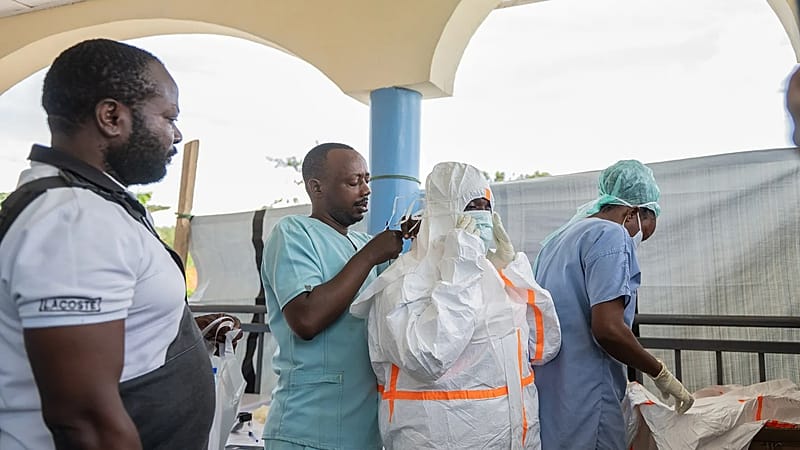
The current outbreak has caused at least 282 confirmed cases, with some 1,000 suspected cases recorded in the DRC. While vaccines are being developed, the WHO emphasizes that the priority remains stopping transmission using tools that have been used for decades in Ebola responses.
These include:
- Disease surveillance
- Rapid testing and diagnosis
- Contact tracing
- Isolation and care for patients
- Infection prevention and control
- Community engagement
- Safe and dignified burials
As the situation continues to evolve, the efforts of CEPI and its partners represent a significant step forward in the fight against the Bundibugyo virus. The combination of rapid vaccine development and traditional containment measures offers hope for controlling the outbreak and preventing further spread.