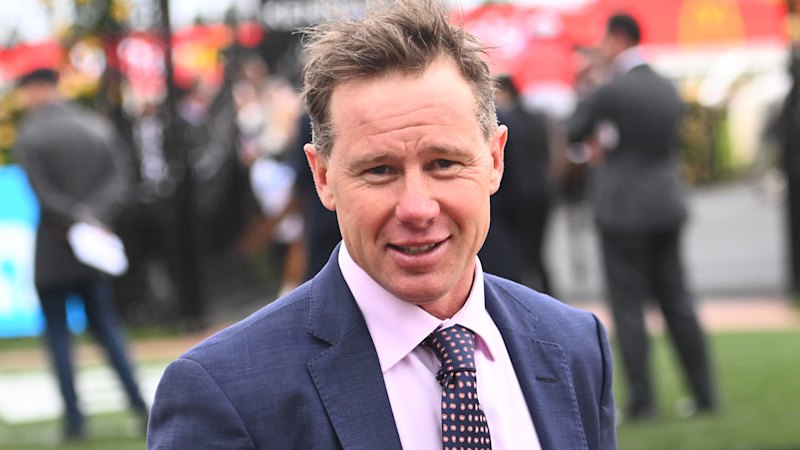
Renowned trainers Patrick Payne and Tom Dabernig are set to face the Victorian Racing Tribunal over positive tests for a mysterious breast cancer drug, despite new research suggesting their horses may have naturally produced the substance. The controversy has sparked significant debate within the racing community.
Payne is scheduled to appear before the tribunal on June 17 after his horse, Hard To Cross, tested positive for formestane two years ago. Formestane is a steroidal aromatase inhibitor used in the treatment of breast cancer overseas but is not available in Australia. Dabernig, the grandson of Australian Racing Hall of Fame legend Colin Hayes, is also due to appear before the tribunal on July 8 after a urine sample from his horse Ashford Street showed traces of formestane, 4-hydroxytestosterone, and testosterone.
At least 24 trainers across thoroughbred and harness racing industries have had horses test positive for formestane, a substance that was virtually unknown in Victorian racing circles until February 2023. Despite this, no incriminating evidence has been found at the trainers’ stables or elsewhere.
A breakthrough study emerged in March that suggests formestane could be endogenous in horses – meaning it occurs naturally. The research, conducted by UK scientist Marjaana Viljanto and commissioned by the British Horseracing Foundation, found formestane in 92 urine samples out of 136 horses (50 geldings, 50 mares, and 36 colts) selected at random.
Viljanto presented her findings at the International Conference of Racing Analysts and Veterinarians 2026 held at Melbourne’s Crown casino on March 24. If the study is verified and published – a process that could take up to 12 months – the horses may have tested positive for a substance they naturally produced.
However, this revelation comes too late for five stables that were fined $24,000 by the VRT on March 23, just a day before Viljanto’s presentation in Melbourne. These trainers maintain they have done nothing wrong.
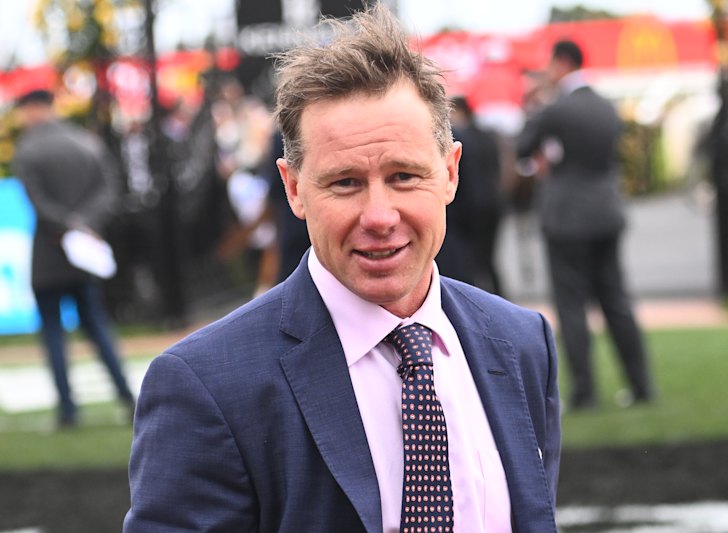
Payne, who has always maintained his innocence, said he understood that Racing Victoria had a job to do and that they had been helpful throughout the process. “I was more affected at the start because of the unknown – I was more accusing of those around me, ‘How has this happened?’ – but as it has gone on, I am more relaxed, knowing it probably occurs naturally,” Payne said.
Daniel Bowman, vice president of the Victorian branch of the Australian Trainers’ Association, claimed the industry had “failed” the trainers. He stated the UK research was “proof” in his mind that the positive swabs were an anomaly. “These trainers are getting fined for something that they haven’t done,” Bowman told this masthead. “How can you fine them as a deterrent, but then also, on the other hand, admit that they haven’t knowingly given anything to the horse?”
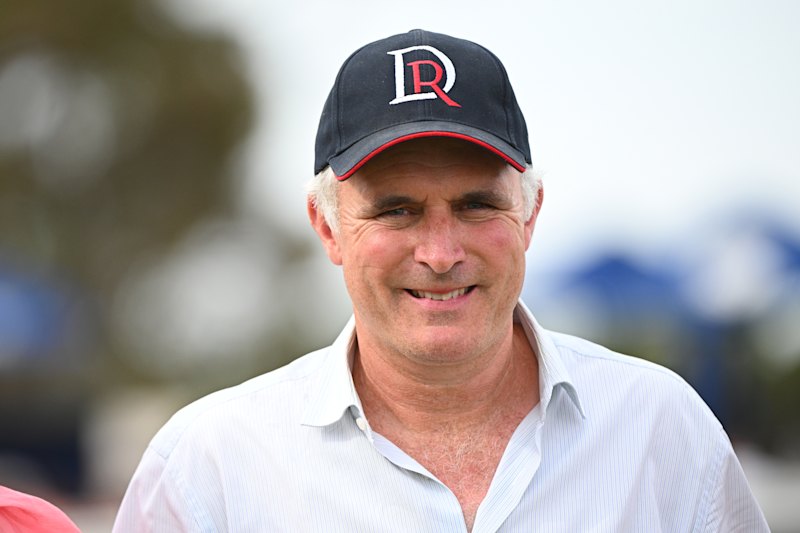
Dabernig was contacted for comment. The Melbourne conference at which Viljanto spoke, ICRAV 2026, opened with a three-course seated lunch and drinks in the Skyline Lounge at Flemington races on Saturday, March 21. The trainers – Smiley Chan, Julius Sandhu, Symon Wilde, Mark and Levi Kavanagh, and Ash and Amy Yargi – were fined for formestane presentation (a horse testing positive to a banned substance on race day) two days later on Monday, March 23.
Viljanto presented her research, Investigations Into the Possible Endogenous Nature of Selected Anabolic-Androgenic Steroids in Equine Urine, at ICRAV 2026 on Tuesday, March 24. Two members of the ICRAV 2026 organizing committee – Racing Analytical Services Limited scientific manager Dr Adam Cawley and Racing Victoria regulatory vet Dr Edwina Wilkes – provided evidence during earlier sittings of the formestane tribunal hearings in December last year.
This masthead does not suggest that Racing Victoria acted improperly or ignored relevant science. At the time of the tribunal hearings, Viljanto’s research had not been published or peer-reviewed, and its conclusions remain unvalidated.
Bowman said the industry had already wasted too much money on prosecuting formestane cases. “It’s clear none of these trainers have done anything wrong, and yet we’re pursuing them through charging them and taking them through the proceedings, paying lawyers and solicitors money to fight the cases for them,” he said. “It’s just irresponsible use of funds.”
Bowman, 39, said he and his wife, Denita, had recently sold their 30-acre training property at Warrnambool and downsized from 25 horses to three because it had “become too hard for a smaller-to-medium-sized stables to compete” in Victoria.
The group 1-winning trainer of Begood Toya Mother said the formestane cases had contributed to him losing confidence in the industry. “You’re basically taking a horse to the races, running Russian roulette every time because they can’t prove where it [formestane] is coming from,” he said. “I can’t afford, if I get one of these positives randomly, to fight it.”
A Racing Victoria spokesperson said, “formestane and its metabolites remain strictly prohibited substances under the Australian rules of racing and the stewards can’t shy away from their responsibility to apply the rules and uphold the integrity of the sport.” Racing Victoria has commissioned research alongside RASL to determine if formestane and its metabolites are endogenous at low levels in racehorses. RASL, an independent laboratory, hosted ICRAV 2026.
Formestane is on the WADA banned substances list, but the association introduced a testing threshold for athletes after research showed it was endogenous at low levels in humans.