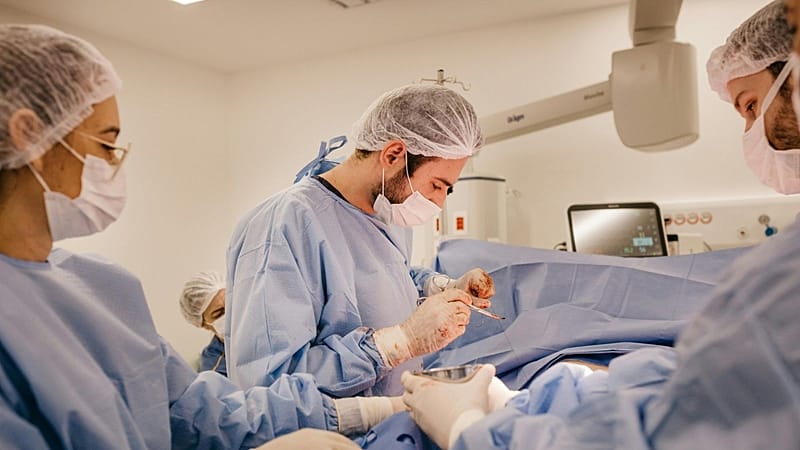
Global Cancer Care Workforce Crisis
The world is facing a critical shortage of cancer care workers, with nearly 100 million more needed by 2050 to meet the growing demand for cancer treatment and research. This alarming prediction comes from a new study published by The Lancet Oncology Commission, which highlights the urgent need for global action to address this looming crisis.
Key Areas of Shortage
The most significant gaps are expected in nursing and diagnostic specialties such as radiology and pathology. These roles are crucial for early detection, accurate diagnosis, and effective treatment of cancer. Africa and Asia will be the hardest hit, with 34.3 million and 57.3 million workers missing respectively. However, no region will be immune to the challenges posed by workforce shortages.
In low- and middle-income countries, the primary issue is the migration of skilled professionals to other regions, often referred to as “brain drain.” In contrast, high-income countries face different challenges, including burnout, depression, and budget constraints within their healthcare systems.
Types of Workers Most Affected
By type of worker, the study projects that over 65 million additional nurses will be required by 2050, along with 16 million more diagnostic specialists in radiology and pathology. These figures underscore the urgent need for increased training and investment in these critical areas.
Calls for Immediate Action
Dr Hedvig Hricak, co-lead of the Commission, emphasized the severity of the situation: “Without urgent action to address critical workforce shortages, we risk a cancer crisis unlike anything we’ve seen before.” She called for country-specific strategies, smarter workforce use, task-shifting, and the adoption of AI and digital health technologies. Additionally, future-ready education and strong, sustainable financing through public-private partnerships were highlighted as essential components of the solution.
Impact on Research and Patient Care
Workforce shortages not only delay care for current patients but also hinder future research. The authors noted that advances in cancer research require a robust workforce capable of generating ideas, designing studies, leading teams, and translating findings into effective cancer control practices and policies.
Rising Cancer Cases Worldwide
Cancer is increasingly being recognized as a silent pandemic. By 2050, it is estimated that 35.3 million cases will be diagnosed annually, up from 20 million in 2022. With 18.5 million deaths projected each year worldwide, the scale of the challenge is clear.
Using the Global Cancer Workforce microsimulation model, researchers analyzed the current and future landscape of 17 common cancers and 18 workforce personnel types across 200 countries and territories from 2030 to 2050. This comprehensive approach considered demographic, epidemiological, and health system factors related to cancer incidence and survival.
A Wake-Up Call for the World
Mark Lawler, a co-author of the study from Queen’s University Belfast, described the findings as sobering. “The predicted 35 million rise in cancer cases each year globally is in sharp contrast to the projected global shortfall of 100 million cancer care workers by 2050,” he said. He emphasized the urgency of the situation, stating that the data does not lie and that immediate action is necessary.
Regional Disparities
Approximately 70% of newly diagnosed cancer cases will occur in low-income and middle-income countries, which will suffer the most from workforce shortages. Across all cancer types included in the model, the global diagnosed incidence rate is projected to rise from 165 per 100,000 people in 2025 to 200 per 100,000 people in 2050. Increases are expected in all geographic regions and cancer types, except for stomach cancer.
Importance of Understanding Trends
Understanding trends in cancer incidence, survival, and workforce—along with how they vary by context or geography—is essential for effective cancer control planning and resource allocation. The authors stressed that addressing these challenges requires a coordinated global effort to ensure that everyone has access to quality cancer care.