Union Representative Allegedly Claims iPads Too Small for Netflix
A rail union representative allegedly claimed that the work iPads provided to London Underground drivers were “too small to watch Netflix” on. This statement was made by a former conductor now in middle management, as Tube drivers staged their second strike of the week, causing significant travel disruption.
The Rail, Maritime and Transport (RMT) union members also walked out on Tuesday after last-ditch talks failed to resolve a dispute over a four-day working week. Several rail forums have hosted discussions on the reforms, with one post stating: “Honestly, as much as I’m for unions, sometimes the reps just don’t help themselves. Rep at a recent meeting to give drivers tablets complained that the screen was too small to watch Netflix on, so they should be given bigger ones. Unreal stuff.”
It remains unclear which union the representative belonged to or whether the comment was meant to be taken seriously or as a joke. The RMT has not commented on the claims, while Transport for London (TfL) has been contacted for further information.
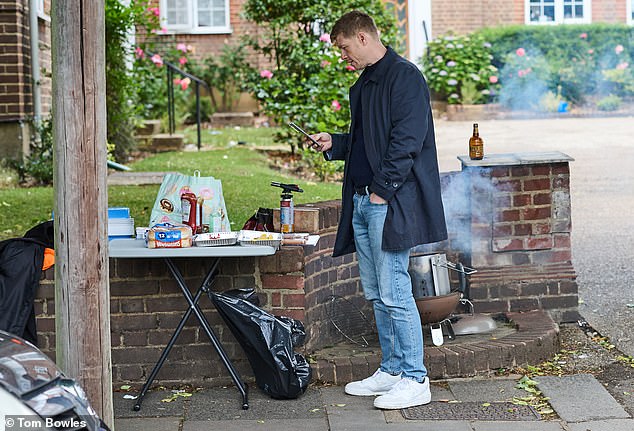
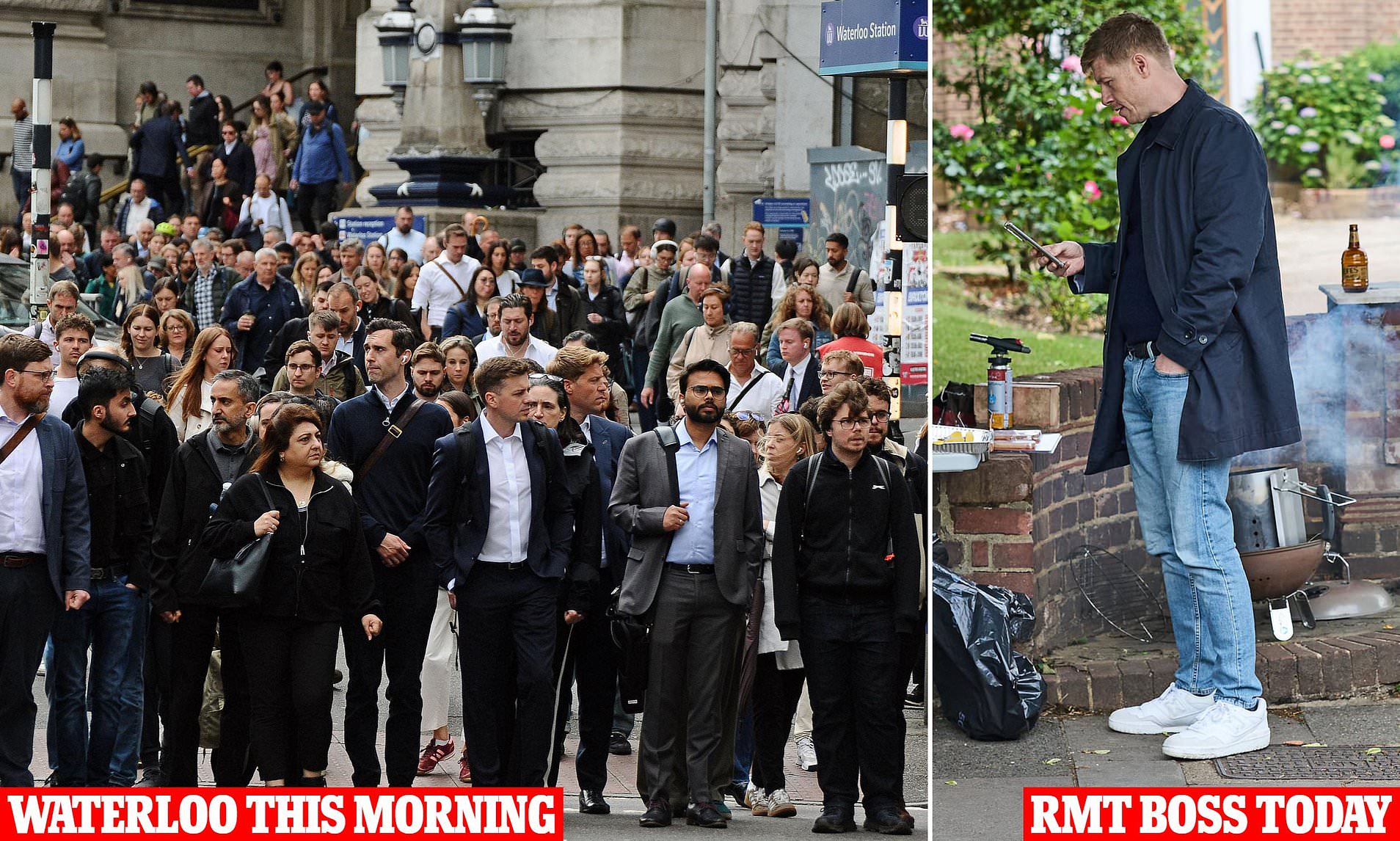
This incident comes as RMT general secretary Eddie Dempsey was spotted at a barbecue, meeting union members at the Arnos Grove picket line in North London. The RMT had previously raised concerns in February about TfL using the iPads to “enable and maintain direct contact with us and to monitor and evidence more closely what we are doing.” However, TfL rejected these claims, stating that staff in stations have been using tablets for over a decade to assist passengers with the latest travel information and log incidents.
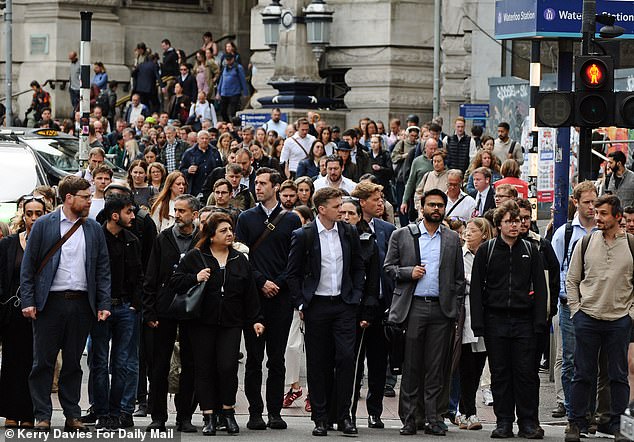
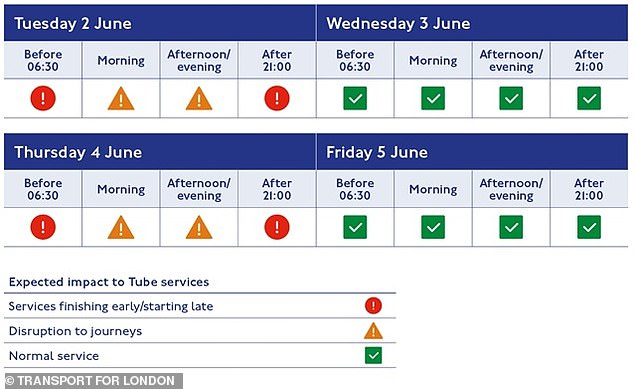
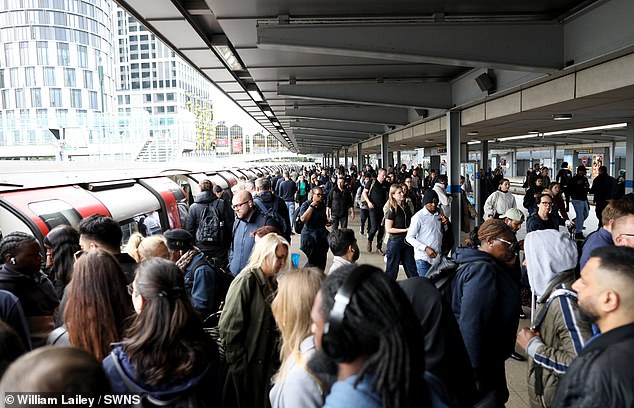
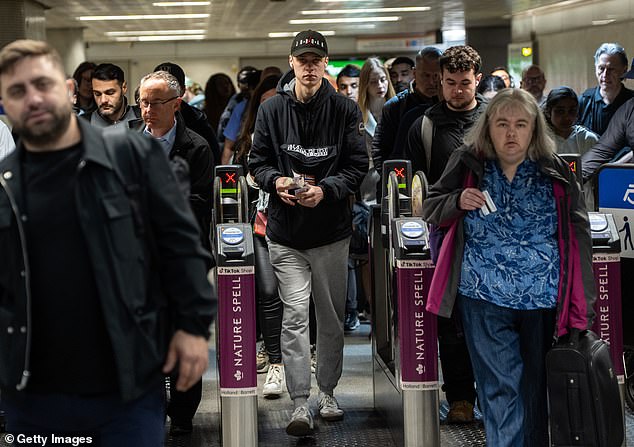
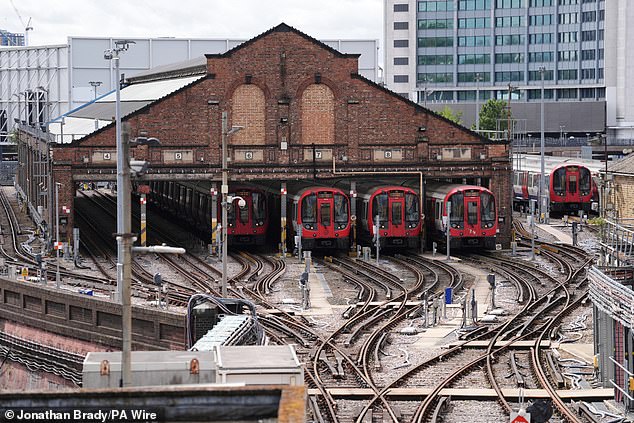
On Monday, the RMT and TfL met for five hours for last-ditch talks with the assistance of the conciliation service Acas, but no resolution was reached. The RMT said talks would resume next week. This morning, picket lines were again set up outside Tube stations, and buses were busier than usual.
The union insisted that the strike would be solidly supported today, resulting in the Circle and Waterloo & City lines being fully suspended, with other lines operating on reduced services. The Bakerloo, Central, Metropolitan, Northern, and Piccadilly lines were partially suspended, while the District, Hammersmith & City, Jubilee, and Victoria lines experienced delays.
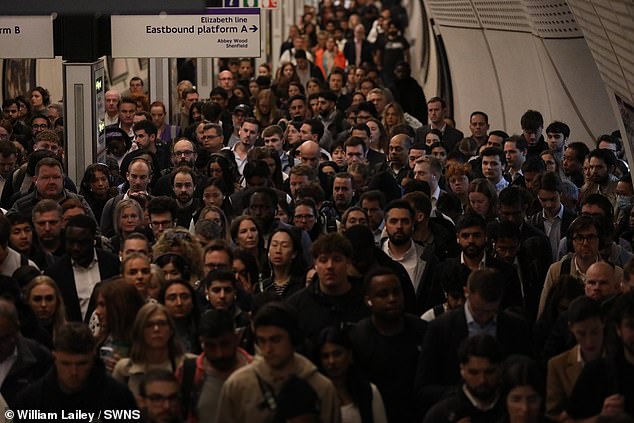
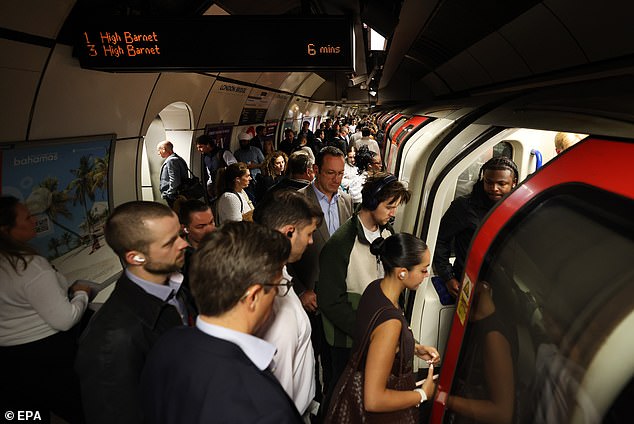
London Overground, Elizabeth line, Docklands Light Railway, buses, and trams continued to operate during the strike periods but faced increased passenger numbers. Customers were advised to complete their journeys by 9pm today, with normal service expected tomorrow. There are currently no further RMT Tube strikes scheduled.
Footfall in key London areas today fell compared to a normal Thursday morning—King’s Cross down 12 per cent, Westminster down 11 per cent, the City down 9 per cent, and the West End down 5 per cent, according to O2’s anonymised mobile data.
TfL stated that Londoners and visitors could still travel despite the strike action on Tuesday, with over 60 per cent of drivers reporting for work. A spokesperson added: “We continue to urge the RMT to work with us to resolve their questions on the proposed four-day week and to suspend any future action while that work is completed.”
TfL noted that Oyster and contactless card taps were only down by around 10 per cent across the whole day on Tuesday, with most lines running normally. The Jubilee line, in particular, ran almost 90 per cent of its normally scheduled miles.
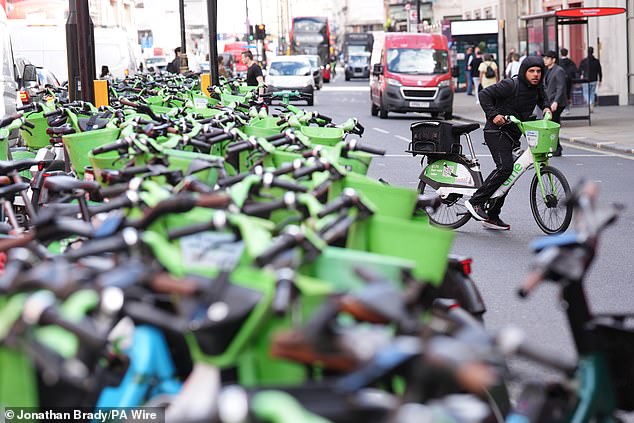
However, the UK’s leading charity for sight loss, Guide Dogs, highlighted additional challenges posed by the strikes for people with vision impairment. The charity raised concerns about the dangers of e-bikes, especially when parked incorrectly or in large groups. People with sight loss may struggle to see if they can safely squeeze past, often resorting to stepping into the road.
Clive Wood, of Guide Dogs, explained that tube closures can lead to increased traffic, busier pavements, and more crowded public spaces and buses. He added that many e-bikes and scooters are poorly parked, blocking pavements and posing risks for pedestrians with sight loss.
“For some, these factors may make journeys feel unpredictable or unsafe, and may lead them to avoid travelling altogether, limiting their independence,” he said. “We’re asking commuters to remember that while trains may stop, the need for accessibility doesn’t. A small act like moving a hire bike or giving up a space or a seat can be the difference between a safe journey and a dangerous one for a person with sight loss.”
The RMT, Britain’s largest specialist transport trade union, opposes the new four-day week due to its impact on shift lengths and other issues. The union held its last Tube strike during the week of April 20, during which TfL operated around half of all its services. Another planned RMT strike starting on May 18 was called off at the last minute after the union claimed TfL had ‘shifted its position’, allowing it to ‘explore our members’ concerns’ about new rosters.