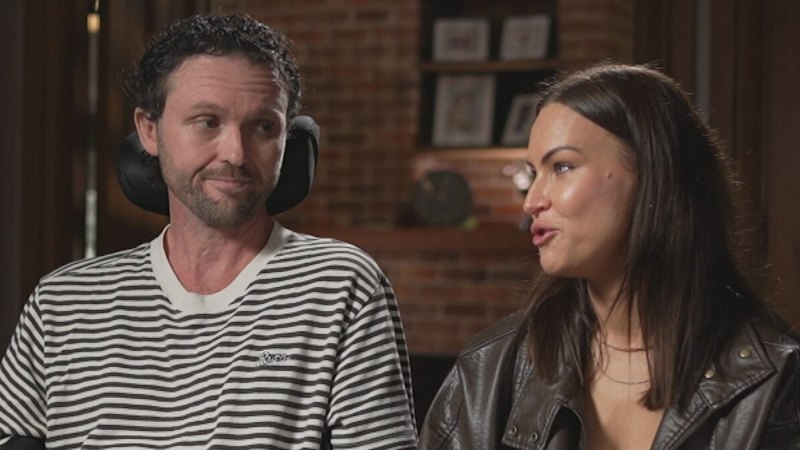
The story of a father-of-two living with motor neurone disease (MND) and struggling to get the support he needs from the NDIS has sparked an outpouring of public sympathy and assistance. Luke Dore, who requires 24-hour care, found himself in a desperate situation when his NDIS funding was denied for critical overnight support. However, the overwhelming response from the community has brought some much-needed relief.
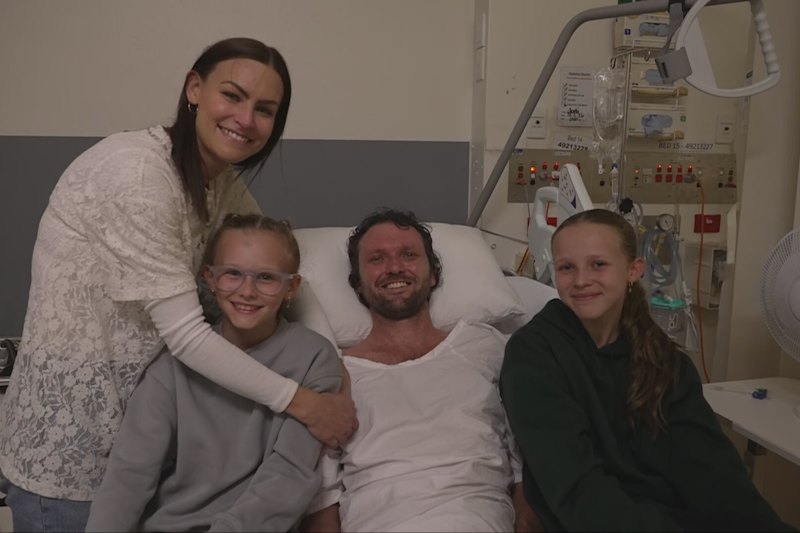
In a positive turn of events, Luke’s NDIS funding plan, which includes essential overnight support, was approved this morning. This means Sarah, his wife, no longer has to wake up four times a night to ensure Luke doesn’t die in his sleep. The couple described the support they received as “overwhelming” and “beautiful.”
“There are so many supportive comments from people we’ve never met before,” Luke said. “It’s really touching to see such kindness.”
He added that he is happy for Sarah and their two children, Peyton and Piper, as they can now focus on what matters most—spending time together.
Sarah expressed her gratitude but also a sense of disappointment that the situation had to escalate to this point. “We’re grateful, but it’s a bit disappointing that this could have been avoided,” she said.
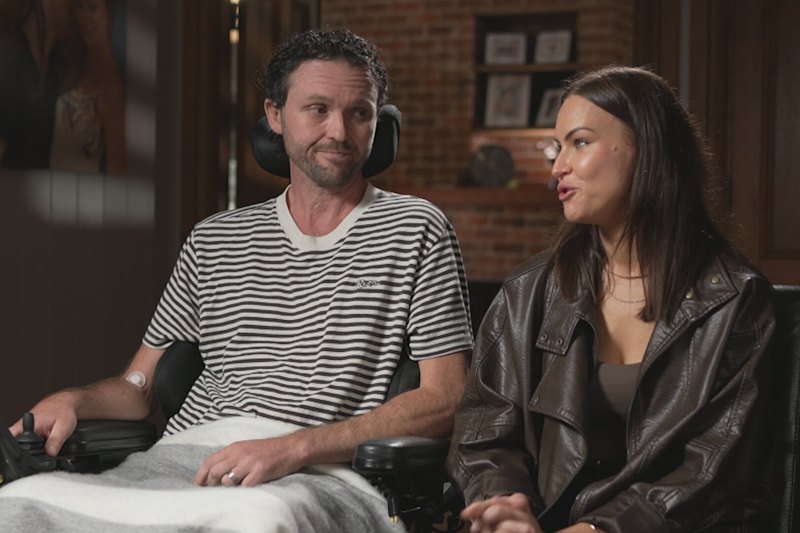
Luke’s journey with MND began unexpectedly. A 40-year-old former semi-professional ice hockey player, he fell during a practice session in October 2024. At first, he thought it was a problem with his skate, but a friend who is a radiologist noticed twitching in his legs and suggested something more serious.
A month later, Luke was diagnosed with motor neurone disease. His initial NDIS plan covered daytime support and new equipment, but as his condition worsened, he needed urgent overnight care.
His mobility deteriorated rapidly. He lost function in both legs, then movement in his right arm and left shoulder. His respiratory muscles also began to weaken, requiring him to sleep with a breathing machine that he cannot remove by himself. He also uses a separate machine to help him cough, but only with assistance.
Luke’s doctors, therapists, nurses, and MND support team all submitted letters to the NDIS requesting urgent active overnight care, but the request was denied. The couple was told they could appeal the decision, but the process would take up to 60 days.
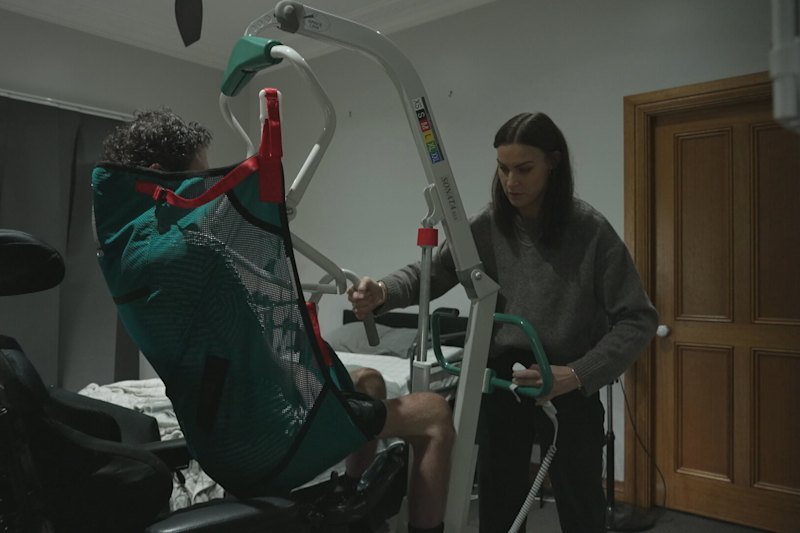
Sarah, who works as a full-time teacher and is a mother to two daughters, became Luke’s unofficial overnight carer. She documented her nighttime routine over two weeks, but the urgent overnight care was denied again.
“He has to fight so hard for something that should just be provided,” Sarah said.
The couple has since appealed the NDIS decision, which is now under internal review. They were informed that the process could take up to 60 days.
The National Disability Insurance Agency (NDIA) did not provide specific details about Luke’s case but issued a statement saying: “The NDIA is highly responsive to meeting the needs of people with degenerative conditions. The NDIA aims to complete decisions for cohorts requiring prioritisation within two to five days.”
According to Clare Sullivan, CEO of MND Australia, cases involving MND are usually processed within seven days due to the nature of the disease. “People with MND need fast-tracked access, they need prioritised funding decisions, and they need the support in their homes to keep them in their homes,” she said.
Sullivan added that Luke’s case seems to be an outlier compared to other MND cases.
Next month, a major overhaul of the NDIS will begin, including changes to the eligibility process, budget cuts, and new requirements for providers. “There’s a degree of uncertainty,” Sullivan said. “We just don’t know what the government’s plans are.”