The Evolution of Star Wars Under Disney
For many Star Wars fans, the question of whether Disney has helped or hindered the franchise is a straightforward one. The company’s acquisition of Lucasfilm in 2012 brought the beloved series back into the spotlight, with a steady stream of content across films, television, and digital platforms. However, while this has led to an increase in the amount of Star Wars material available, not all fans are satisfied with the quality or direction of what’s being produced.
Disney’s purchase of Lucasfilm was more than just a new trilogy; it was a strategic move that brought together some of the most iconic brands in entertainment. Alongside Star Wars, the deal included Indiana Jones, Industrial Light & Magic, and Skywalker Sound. This acquisition allowed Disney to expand its influence and create a broader ecosystem for storytelling across multiple mediums.
The Impact of Disney’s Acquisition
The initial success of Star Wars: The Force Awakens demonstrated that there was still a strong audience for the franchise. However, the subsequent releases, such as The Last Jedi and The Rise of Skywalker, received mixed reviews compared to the original trilogy. This marked the beginning of a shift in how the franchise was being developed and presented.
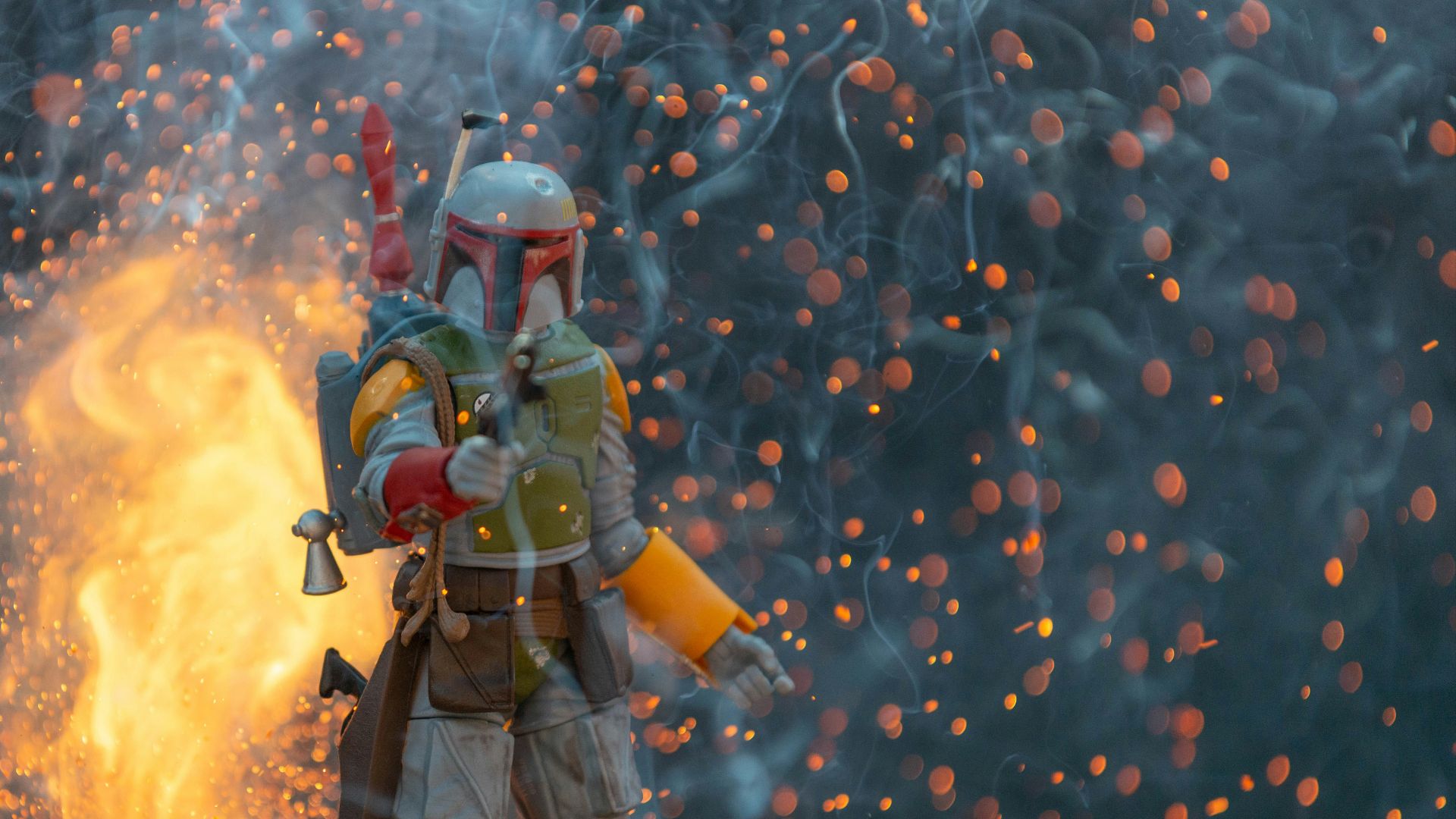
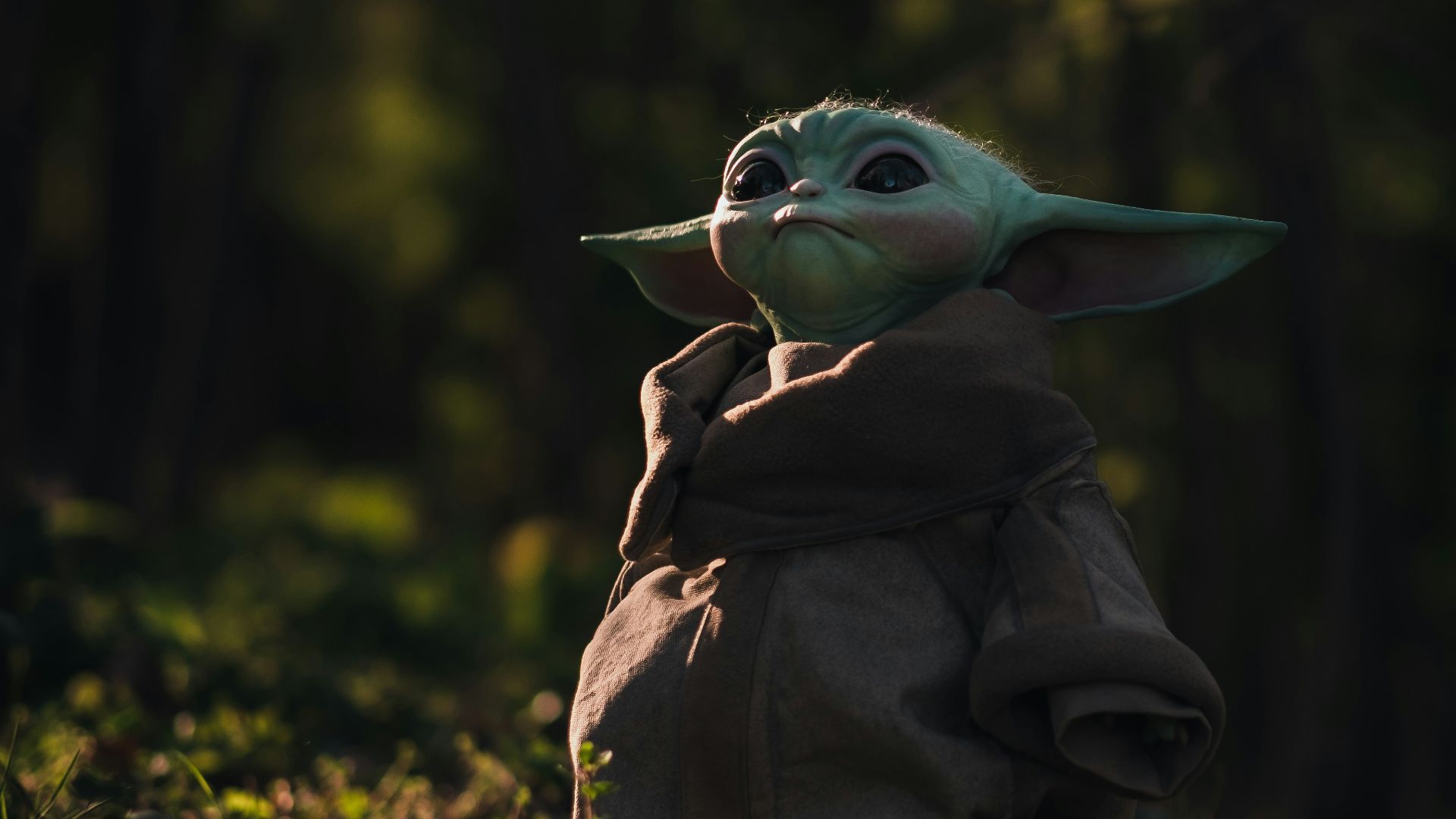
Disney+ provided a much-needed reset for Star Wars, offering a platform where fans could explore new stories without the pressure of keeping up with the latest film releases. The Mandalorian, which premiered in 2019, became a standout success, capturing the hearts of audiences with its unique storytelling and the charm of Grogu. The show’s ability to introduce new elements without relying on nostalgia proved that Star Wars could evolve in meaningful ways.
Another notable addition was Andor, which offered a different perspective on the Star Wars universe. Focusing on political tension and adult storytelling, the show received critical acclaim and won several Emmys, highlighting the potential for diverse narratives within the franchise.
Challenges in the TV Landscape
Despite these successes, not every Star Wars show resonated with audiences. Projects like The Book of Boba Fett, Obi-Wan Kenobi, Ahsoka, The Bad Batch, and Tales of the Jedi created a complex web of lore that could be overwhelming for casual viewers. While longtime fans may appreciate the depth, others found it difficult to keep up with the constant influx of new content.
This issue is not unique to Star Wars; other Disney-owned franchises have faced similar challenges. The need for a steady flow of content has led to a situation where understanding the latest developments often requires years of watching previous episodes and movies.
The Gaming Landscape
The gaming aspect of Star Wars has also seen a mix of successes and failures under Disney’s ownership. The closure of LucasArts as an internal development studio marked a significant shift in how the franchise approached game development. Instead, Disney focused on licensing agreements with companies like Electronic Arts (EA).
While EA’s Star Wars Battlefront II faced criticism for its loot box system, the company later removed paid microtransactions after public backlash. On the other hand, Respawn Entertainment’s Jedi: Fallen Order was a commercial success, proving that there is still a demand for story-driven, single-player experiences.
The newer licensing era also allowed for the creation of Ubisoft’s Star Wars Outlaws, which was marketed as the first open-world Star Wars game. However, initial sales were lower than expected, showing that the Star Wars brand alone is not enough to guarantee success.
The Future of Star Wars
In conclusion, Disney has not necessarily ruined Star Wars, but it has certainly changed the way the franchise is perceived. The company has produced strong shows, major games, and a wider range of stories. However, it is also true that the franchise has become more corporate, crowded, and potentially less creative. What the Star Wars universe needs now is a completely new story that can capture the imagination of both longtime fans and newcomers alike.