Legal Battle Over White House Ballroom Construction
The Justice Department found itself in a courtroom on Friday, defending President Donald Trump’s decision to demolish part of the White House East Wing to create a new ballroom. The legal arguments centered on who has the right to challenge the destruction of a historic government building.
Matthew Russell Lee, founder of “Inner City Press,” was covering the proceedings and noted that one of the key points raised by the DOJ was the idea of “self-inflicted harm.” However, the main issue being debated is whether the case has standing — meaning, who can legally challenge the demolition.
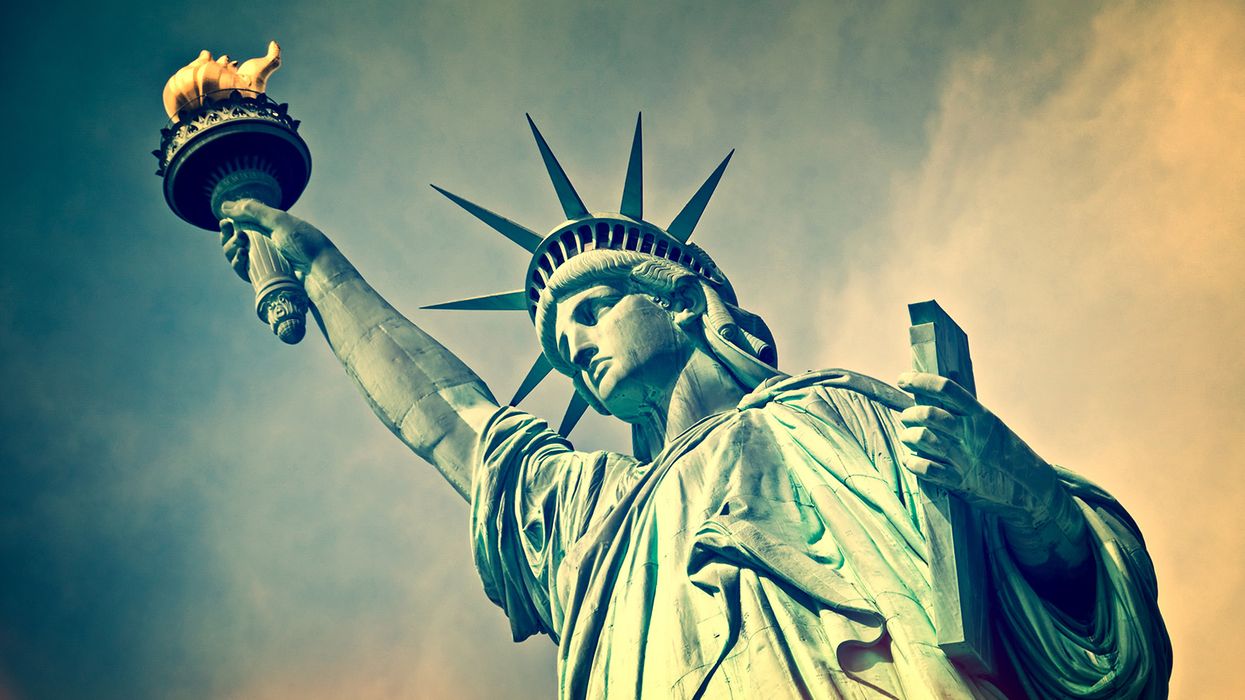
According to a report from Politico legal reporter Kyle Cheney, the DOJ argued that the federal government could potentially destroy the Statue of Liberty without anyone having the legal right to sue. This argument came up during a discussion with Judge Patricia Millett, who questioned what would happen if the government decided to bulldoze the statue quickly, leaving people unable to take action.
The DOJ agreed with this perspective, suggesting that once a major historical site is altered, it’s too late for any legal challenges to be effective.
Historic Preservation Groups Oppose the Project
During the government shutdown, Americans watched as large machinery began tearing into the historic White House complex. The National Trust for Historic Preservation filed a lawsuit against the Trump administration, arguing that the construction of a 90,000-square-foot structure proceeded without proper public review and approval.
In their court filing, the group claimed that no president has the authority to tear down part of the White House or build a ballroom on public land without allowing the public to have a say. They also argued that the administration should have gone through the National Capital Planning Commission and the Commission of Fine Arts before starting the demolition.
A federal judge temporarily halted the construction while Congress considered the matter. Trump defended his actions by stating that since the funds were coming from private donors, Congress had no role in the project. However, not long after, Trump requested $1 billion in funding for the ballroom from Congress.
A Broader Debate Over Presidential Authority
This legal battle has sparked a larger debate about whether a president can treat the White House grounds as their own personal space for private projects. Former first ladies such as Michelle Obama and Jill Biden have spoken out against the project, emphasizing that the White House belongs to the American people.
They argue that the building should be preserved as a symbol of democracy and that past administrations have respected its historical significance. Both Obama and Biden have maintained that the White House should not be used as a personal canvas for presidential ambitions.
Public Reaction and Ongoing Concerns
The controversy surrounding the ballroom has drawn significant attention from the public and media. Some analysts believe that the project may never be completed due to legal and financial hurdles. Others have pointed to the potential risks of allowing a president to bypass standard procedures for construction on public land.
There are also concerns about the transparency of the project, including reports of secret contracts awarded to the company responsible for the ballroom. These developments have further fueled public skepticism about the motives behind the construction.
Key Issues at Stake
- Standing in Court: Whether individuals or groups have the legal right to challenge the demolition of a historic government site.
- Presidential Authority: Whether a president can make changes to the White House without public input or oversight.
- Historic Preservation: The importance of protecting national landmarks and ensuring they are maintained for future generations.
- Transparency and Accountability: The need for clear guidelines and oversight when it comes to government projects involving public land.
As the legal battle continues, the outcome could set a precedent for how future presidents handle similar projects on federal property. The case highlights the delicate balance between executive power, public interest, and the preservation of history.