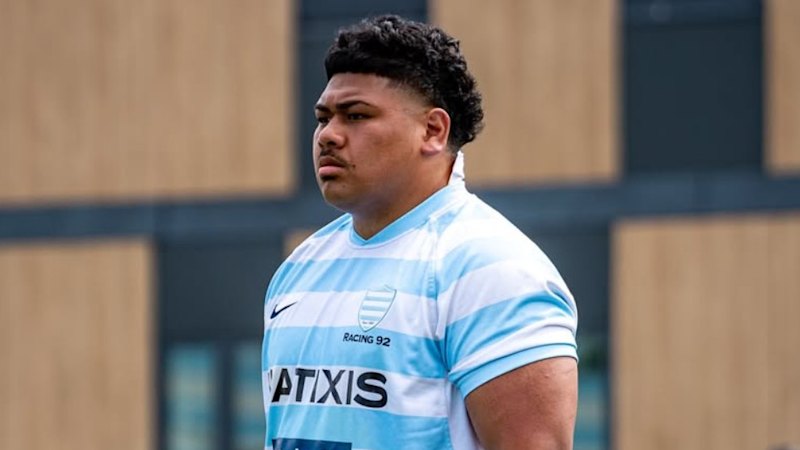
Young Australian prop Lehopa Leota appears to have been constructed from Lego blocks by someone aiming to create the perfect prop. His physical appearance is striking, with calves that are nearly as large as his chest, making him a standout figure in the rugby world. Before any official announcements were made, images of Leota on social media had already drawn attention.
He bears a resemblance to Ben Tameifuna, the New Zealand-born player who has also represented Tonga and recently won another Champions Cup with Bordeaux. The similarity is not just in looks but also in the potential for success at a high level. Racing 92, the French club, clearly saw something in Leota that made them want him, and it’s no surprise that Tameifuna played over 100 times for the Paris-based team.
If Rugby Australia (RA) selects Leota for its under-20s team for the Junior World Championship in Georgia this June and July, it could signal a shift in eligibility policy. This move would likely be taken seriously, given the current challenges faced by Australian rugby.
The situation has become more complex due to recent actions by French clubs targeting young Australians of Pasifika heritage. This has created a distorted market, and RA cannot afford to remain passive. The selection of Leota and fellow France-based prop Hayden Lavercombe may seem like a straightforward way to strengthen the set-piece of the Junior Wallabies, but it could also be part of a larger strategy in the ongoing tension between Australian and French rugby.
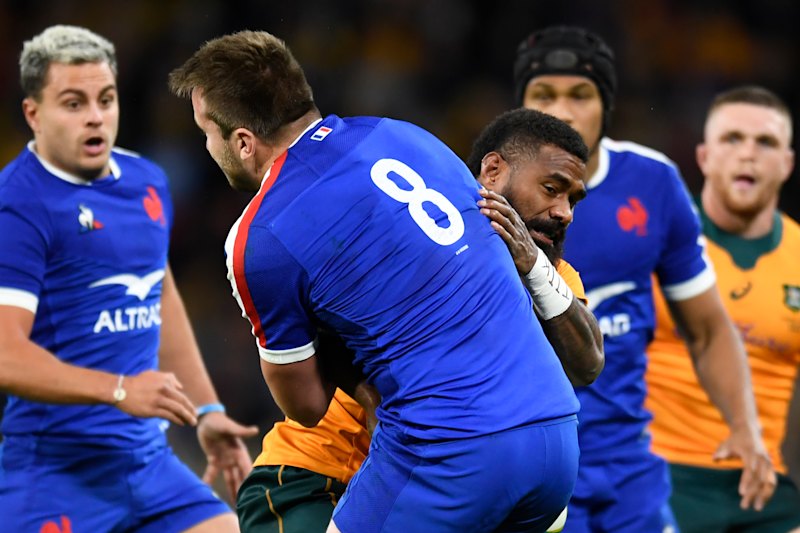
Incidents such as French flanker Anthony Jelonch’s play-acting to get Marika Koroibete sent off in Brisbane in 2021, disputes over fees for pre-Rugby World Cup Tests against France, and the recent raids by French clubs on young Australian players all contribute to the strained relationship between the two nations. While some issues are merely annoying, others pose a fundamental threat to the growth of rugby in Australia.
RA chairman Daniel Herbert has not hesitated to voice concerns about these developments. By selecting Leota and Lavercombe, RA is effectively signaling its intention to eventually include them in the Wallabies, while the French cover the costs of their development.
However, there is a complication: the Junior Wallabies are not the designated “capture” team for Wallabies eligibility. That role has shifted to the Australia A outfit.
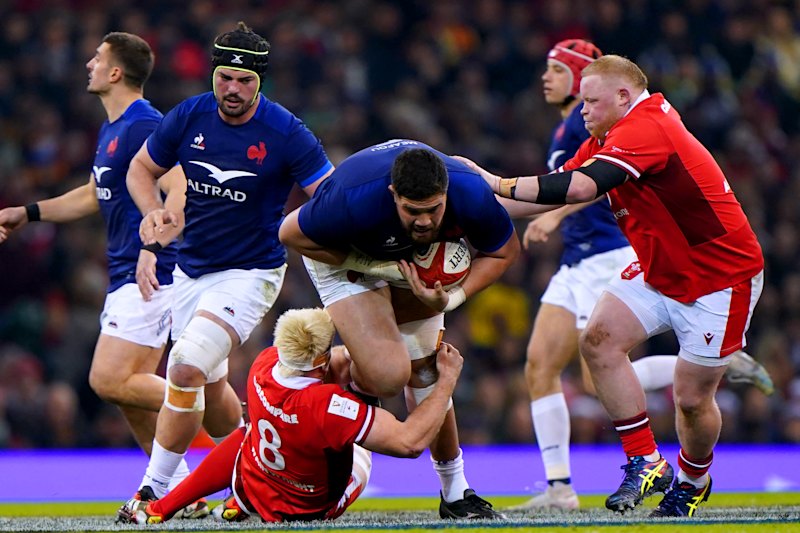
This means that if Leota and Lavercombe are selected for the under-20s team, they are not locked into the Wallabies or prevented from representing France later, similar to Emmanuel Meafou. This is a risk RA is taking, but it may be worth pursuing if the goal is to eventually bring these players back to Australia.
Ultimately, regardless of whether players like Leota, Lavercombe, and talented young flanker Heinz Lemoto are “captured” by the Junior Wallabies, they are expected to represent Australia at the Test level, not France.
It will be interesting to see how the French respond to RA’s decision. French clubs target overseas players at a young age because they can be classified as non-foreigners after three years in their academies.
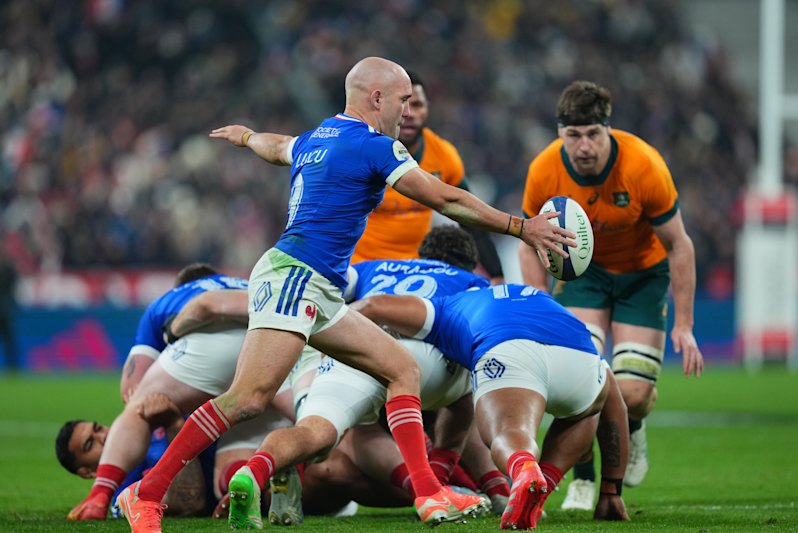
This rule was introduced to bolster the French national team by increasing the number of “local” players available to their coach. However, it has led to unintended consequences, including the recruitment of younger overseas players. As a result, French rugby, rather than the NRL, has become RA’s biggest threat when it comes to attracting school-age players.
Rugby-specific players like Leota hold little interest for the NRL, especially with the six again rules pushing the game towards touch football. But in rugby, these players can win titles and Tests.
There is a way to avoid this conflict between RA and France. If Australian rugby’s talent identification system were more elite, players like Leota might have been identified earlier and invited to Springboks-style alignment camps, where under-20s stars train alongside Test players.
However, there are two key points to consider. First, talent identification in this age group is often hit-and-miss. It is difficult to commit to one 18-year-old prop over another with a high degree of confidence. Second, even if RA makes the right decisions about which players to keep in the country, where are the resources and competitions available for these players between the ages of 18 and 22?
French Top 14 clubs, on the other hand, have large squads, offer numerous opportunities, and embrace a scrummaging culture that benefits players like Leota and Lavercombe.
The issue is not just that young Australians are leaving for France, but the underlying fear that once they go, they may not return. By selecting these young props for the Junior Wallabies, RA is keeping alive the possibility that they receive quality training in France and then return to strengthen Australian rugby in their early 20s.