BMW’s Hydrogen Ambitions: Paving the Way for an Electric Future Beyond Batteries
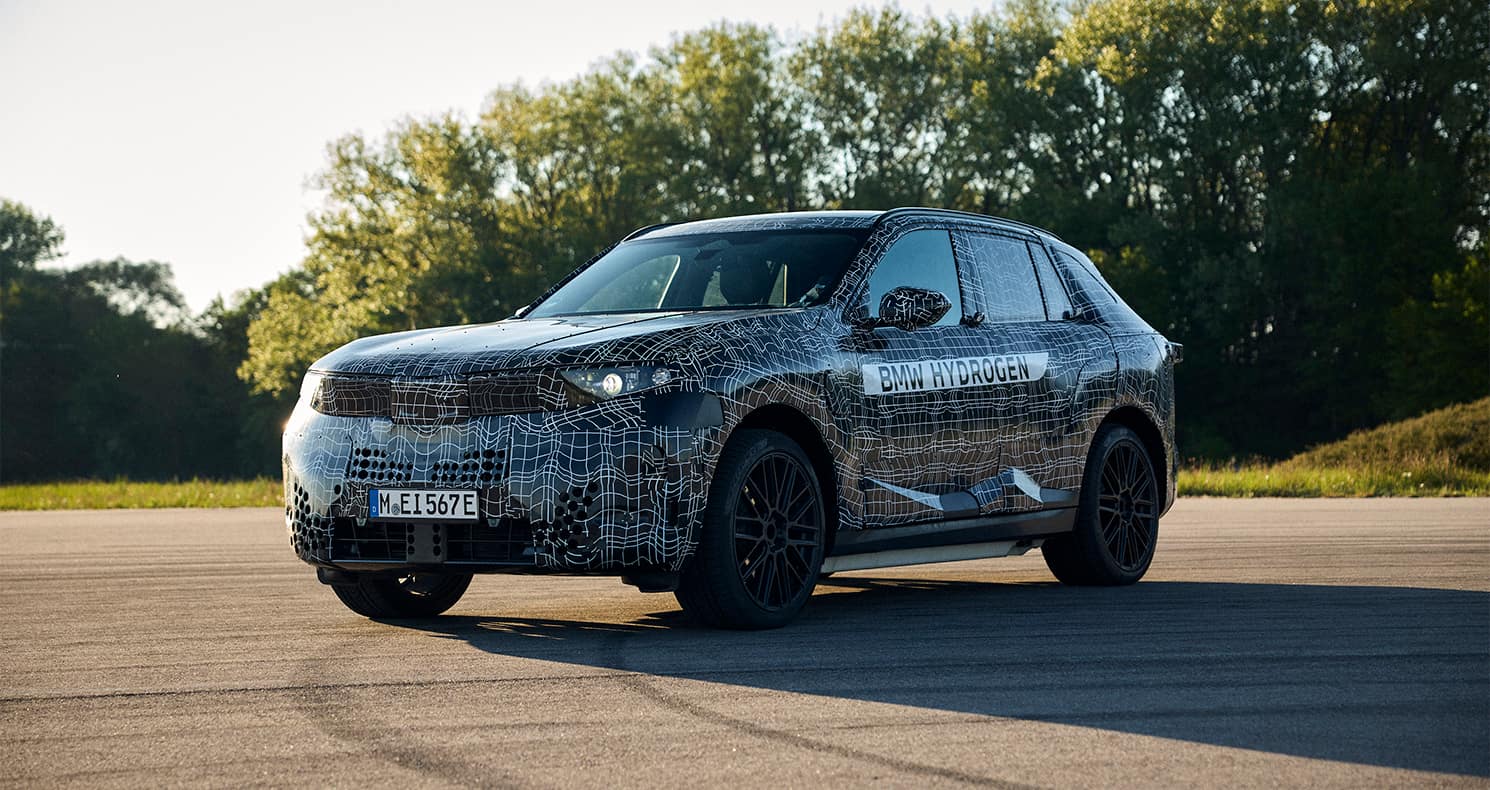
While the automotive world is largely captivated by the rise of battery electric vehicles (BEVs), a significant technological undercurrent is gaining momentum. BMW, a titan of German engineering, alongside industry heavyweights like Toyota and Hyundai, is championing an alternative vision for electric mobility: hydrogen fuel cell electric vehicles (FCEVs). These vehicles offer a distinct approach to zero-emission driving, utilising hydrogen to generate electricity that powers their motors, thereby bypassing the need for large, heavy batteries. The sole emission produced from their tailpipes? Pure water.
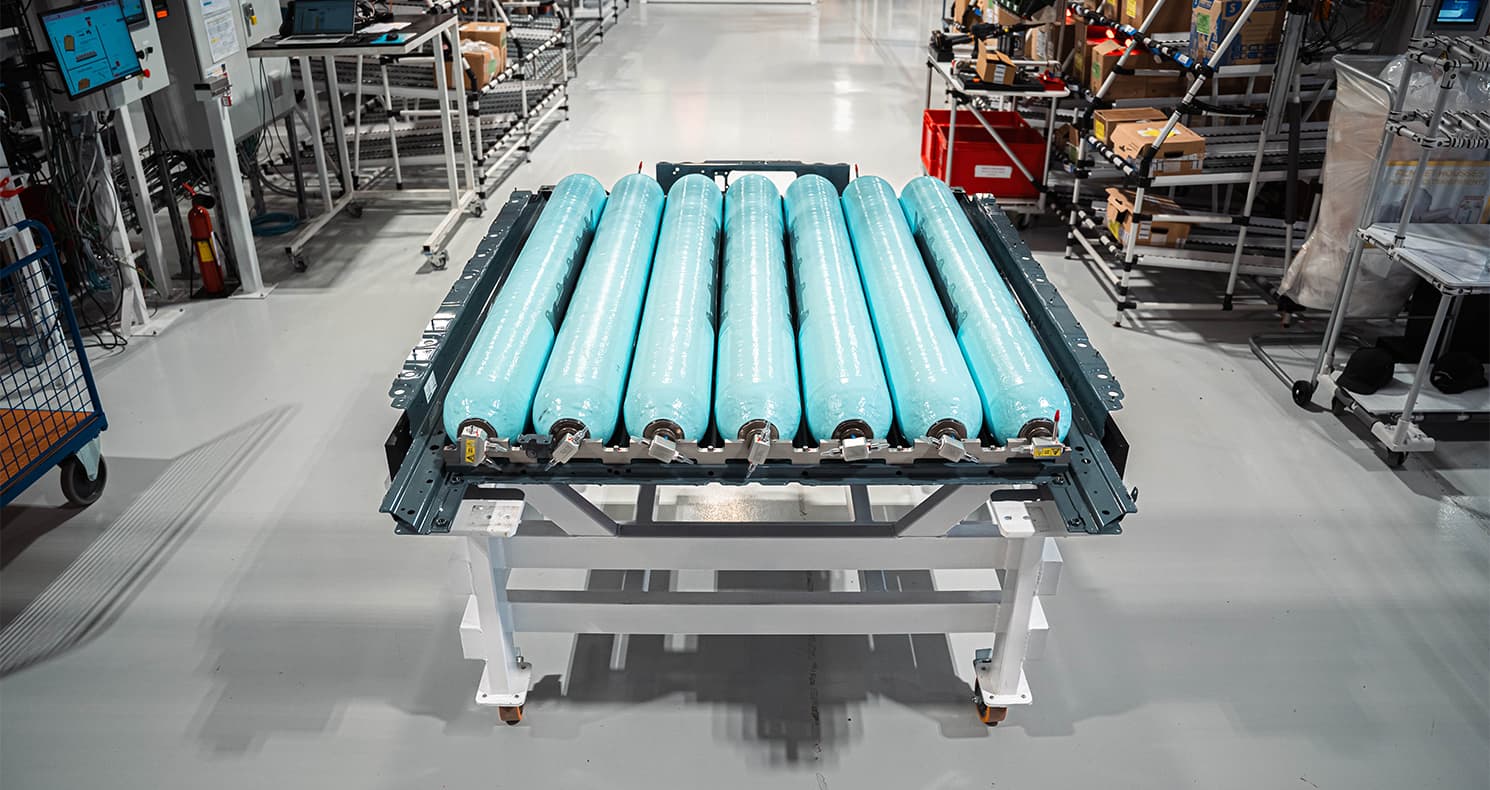
BMW’s commitment to this technology is not merely theoretical. The company has been making substantial strides, bringing its FCEV technology closer to potentially surpassing the capabilities of current BEVs. A prime example of this progress is the innovative hydrogen storage system developed for the iX5 FCEV. This new system is ingeniously designed to fit into the same physical space typically occupied by the brand’s latest battery packs. Crucially, this advancement is slated for integration into BMW’s upcoming range of Neue Klasse electric vehicles.
This strategic integration offers a dual benefit: it streamlines the production process for hydrogen variants, making them more cost-effective and efficient to manufacture. Furthermore, it ensures that adopting a hydrogen powertrain will not necessitate any compromises on interior cabin space – a common concern with some alternative powertrain designs. BMW has even gone so far as to suggest that FCEVs can be seamlessly integrated into existing production lines that currently manufacture battery-powered electric cars. Dr. Joachim Post, a BMW board member, described this integration with a fitting analogy: “Think of it as installation Tetris.”
The implications of this advanced hydrogen storage system are far-reaching. BMW claims that it can store enough hydrogen to deliver an impressive driving range of up to 750 kilometres. Adding to its practicality, the refuelling process is remarkably quick, taking less than five minutes to complete – a significant advantage for drivers seeking convenience. Moreover, BMW asserts that this new system offers enhanced safety features, addressing potential concerns surrounding hydrogen storage.
Beyond storage, BMW is also making significant headway in the development of the core components that power these FCEVs. The German manufacturer has commenced production of what it terms the “Energy Master.” This sophisticated unit acts as the central nervous system of the hydrogen powertrain. Its role is critical in orchestrating the entire energy management system, seamlessly controlling the fuel cell stack, the smaller onboard battery, and the electric drive motors. This integrated approach is key to optimising performance and efficiency.
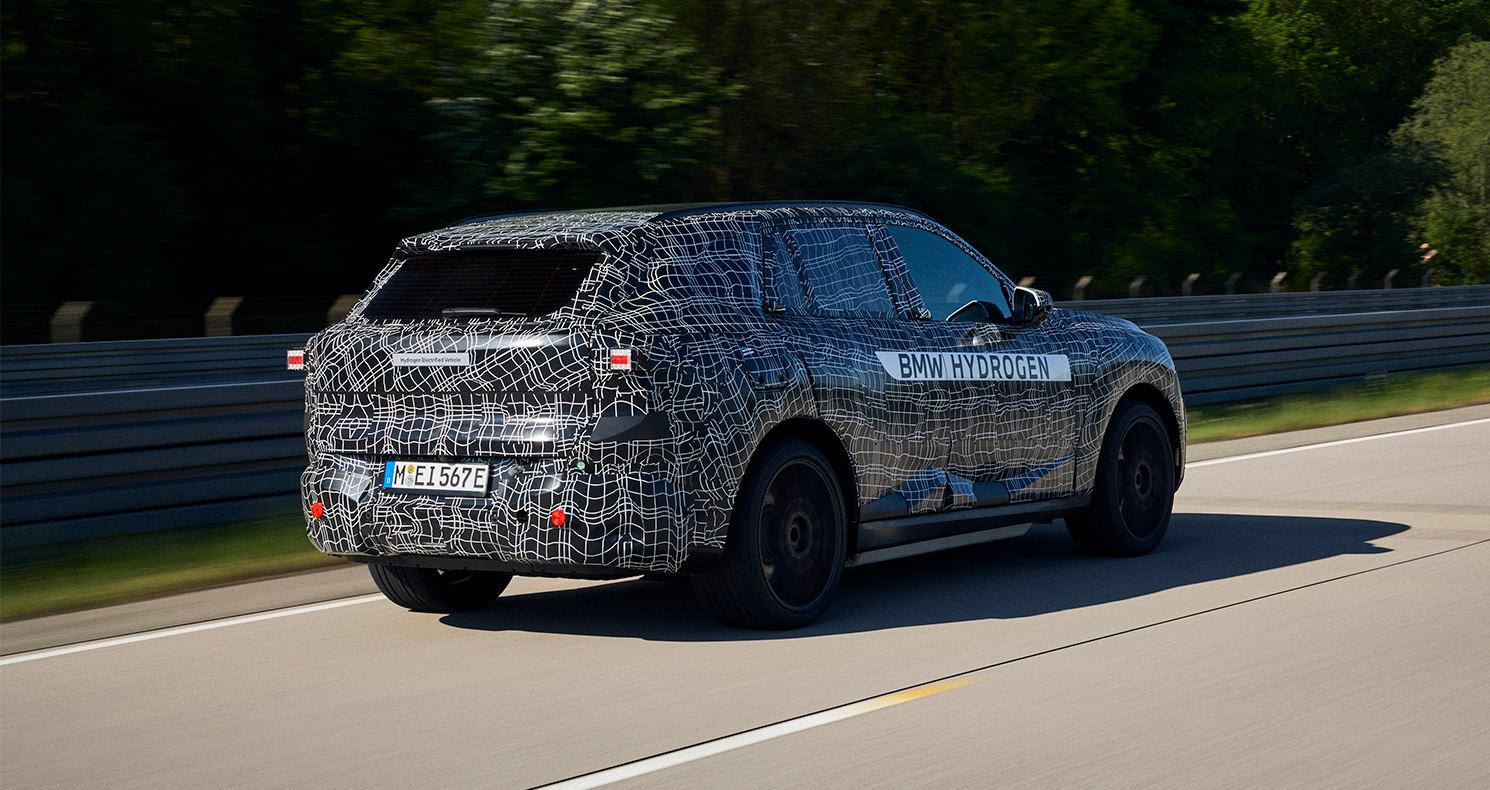
Looking ahead, BMW has set its sights on a 2028 launch for the iX5 Hydrogen, signalling a clear intention to bring this technology to market. The company’s vision extends beyond this initial model, with plans to broaden its FCEV offerings in the future. BMW articulates that this alternative hydrogen fuel source represents a compelling proposition for the future of electric driving. It promises the benefits of long-range capability and rapid refuelling, while simultaneously diversifying energy sources. This diversification is seen as a crucial step in reducing reliance on a single infrastructure or a specific raw material supply chain, fostering greater energy security and sustainability within the automotive sector.
The development of FCEVs by BMW and its allies signifies a robust commitment to exploring multiple pathways towards a zero-emission automotive future. While battery electric vehicles continue to dominate headlines, the advancements in hydrogen technology, particularly in areas of storage, efficiency, and integration, suggest that FCEVs could play a pivotal role in complementing and expanding the scope of sustainable transportation options. The ability to offer long ranges and rapid refuelling, combined with the elimination of tailpipe emissions, positions hydrogen as a credible and increasingly viable alternative for various driving needs and consumer preferences.