Honda’s Top Brass in Turmoil: CEO Under Fire Amidst EV Woes and Market Missteps
A significant boardroom drama appears to be unfolding at Japanese automotive giant Honda, with former executives reportedly attempting to oust current CEO Toshihiro Mibe. The dissent stems from a perceived failure in the company’s strategic direction, particularly its approach to electric vehicles (EVs) and its declining presence in the crucial Chinese market.
Sources suggest that a group of influential former executives, including ex-CEO Nobuhiko Kawamoto, convened privately to address what they view as Honda’s mounting financial challenges. The consensus among these former leaders was that CEO Mibe bears primary responsibility for the company’s current predicament.
The situation reportedly escalated in April of this year when Kawamoto himself visited Mibe at Honda’s headquarters, urging him to step down. However, Mibe has maintained his position, reportedly with the steadfast support of the company’s board and its nominating committee.
This internal struggle highlights a broader trend within many Japanese corporations, which have been gradually enhancing their corporate governance structures. Initiatives aimed at increasing transparency and incorporating a greater number of independent directors are gradually diminishing the influence that former CEOs and executives once held over their former employers. Kawamoto, who served as CEO from 1990 to 1998, is rumoured to have previously played a pivotal role in the removal of one of his successors.
Discussions among those involved in these boardroom discussions, corroborated by leaked text messages, reveal a series of pointed criticisms directed at Mibe. A prevailing sentiment suggests that the CEO has neglected the vital Chinese market and made an ill-advised gamble on a full-scale EV transition. Furthermore, some accusers claim Mibe’s attention has been diverted towards sponsorships, such as those involving professional golf, at the expense of focusing on Honda’s core business operations.
A significant accusation levelled against Mibe and other senior executives is the alleged abandonment of Honda’s long-standing emphasis on “genba” – the actual place where the company’s work is performed. This includes its showrooms, factories, and crucially, the locations where its products are used by consumers.
According to Mibe’s critics, his infrequent visits to China have contributed directly to a substantial decline in Honda’s market share in the region. The company’s share reportedly plummeted from approximately 8.0 per cent in 2020 to a mere 3.0 per cent by 2025.
It is important to acknowledge that Honda’s struggles in China are not entirely isolated. Many other Japanese and European automakers have experienced significant downturns in sales and market share within China over the past few years. This decline is largely attributed to the rapid rise of domestic Chinese brands, which have gained considerable traction with their offerings of electric, plug-in hybrid, and range-extender vehicles.
Established automakers such as Volkswagen, Nissan, Mazda, and Toyota recognised this challenge earlier and have begun to adapt by introducing models specifically designed for the Chinese market. These vehicles often utilise platforms developed in collaboration with their Chinese manufacturing partners. Some of these China-centric models, like the Mazda 6e and Nissan Frontier Pro, are even slated for export to bolster the product lineups of these global manufacturers.
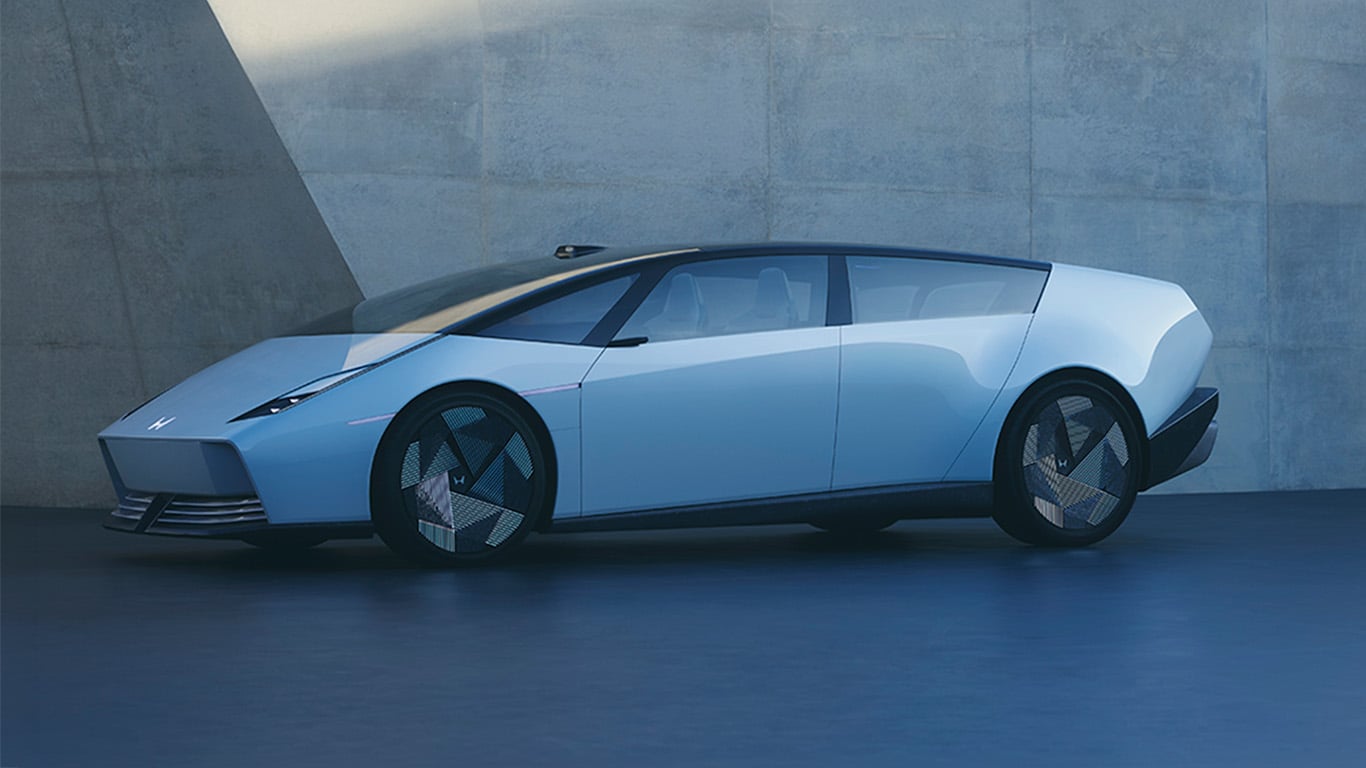
Honda, however, appears to have been slower to react. It was only after the eleventh-hour cancellation of its “0 Series” EV range and the announcement of its first annual loss in seven decades that the company began to adopt a similar strategy of developing vehicles tailored for the Chinese market.
Instead of dedicating more frequent travel to observe the market dynamics in China firsthand, Mibe’s accusers allege his interests lay elsewhere, including engaging in golf with professional players Akie and Chisato Iwai, who are sponsored by Honda.
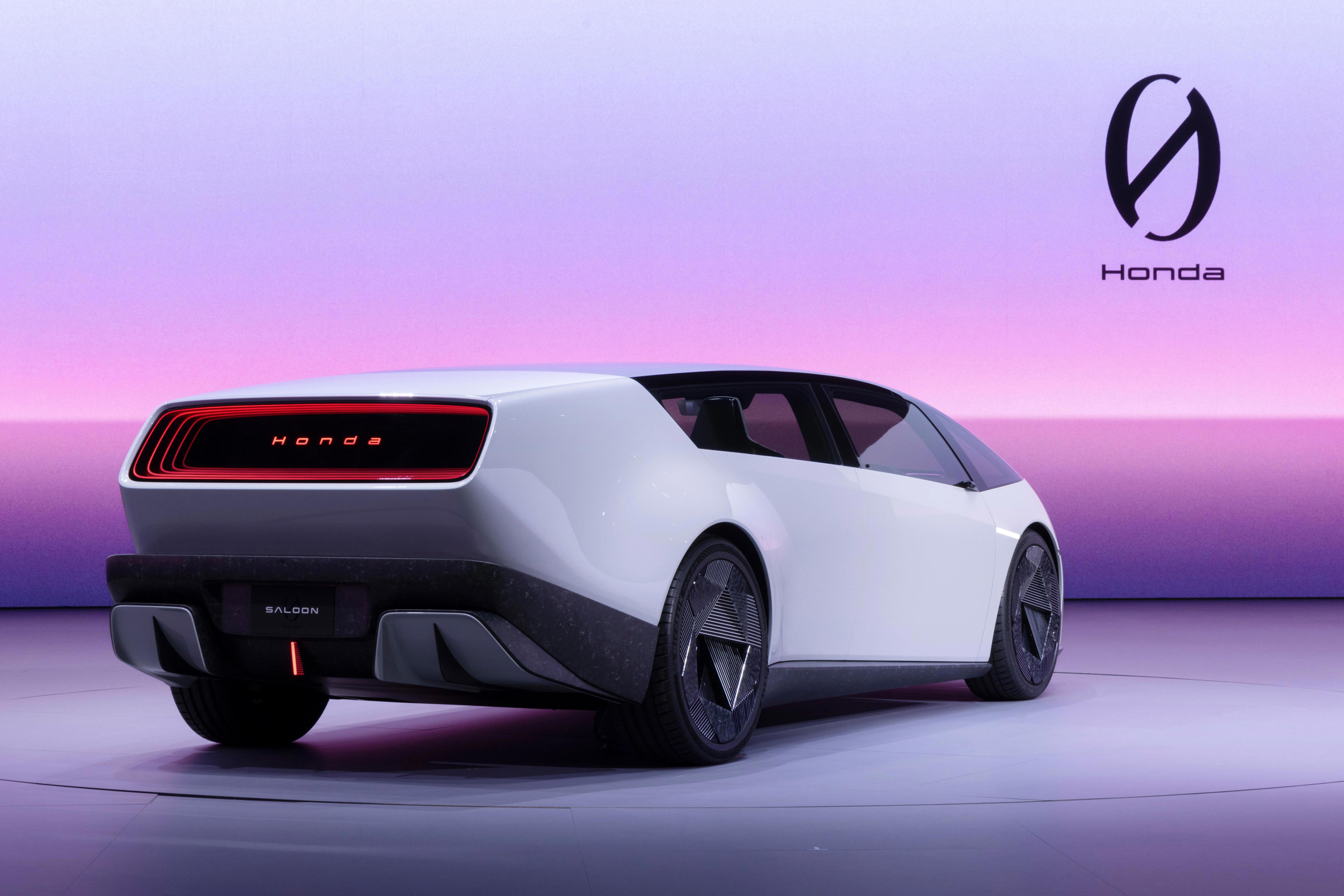
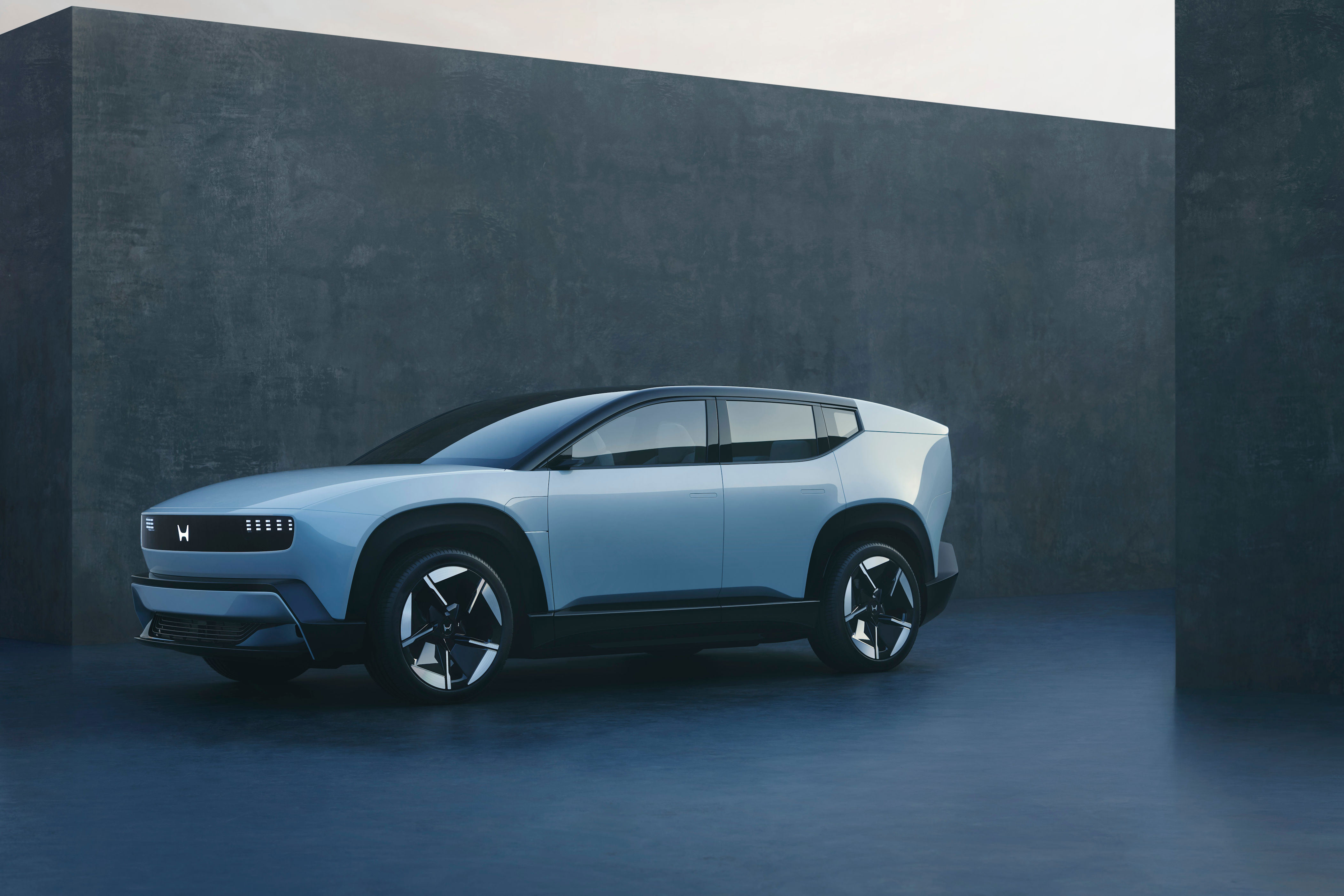
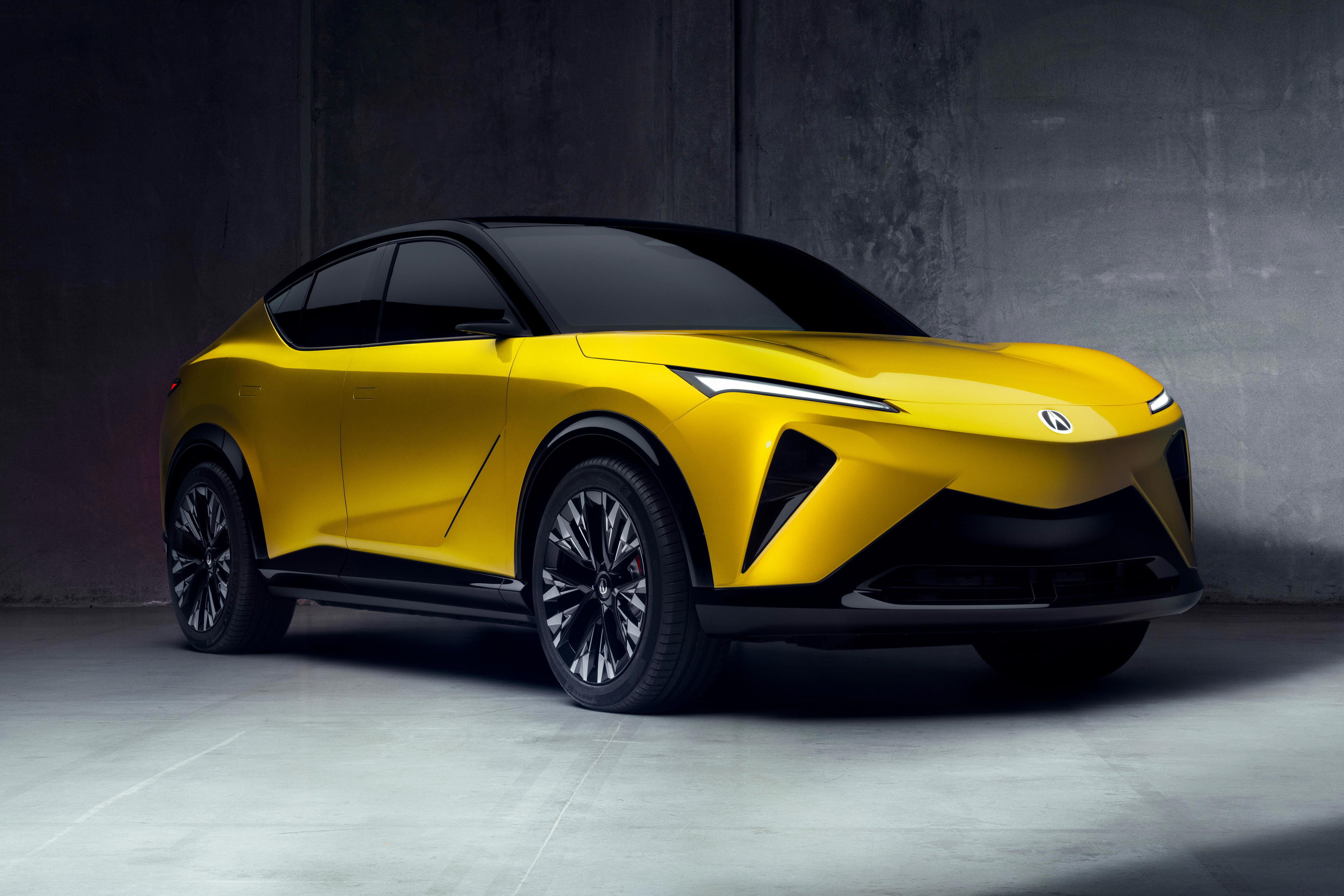
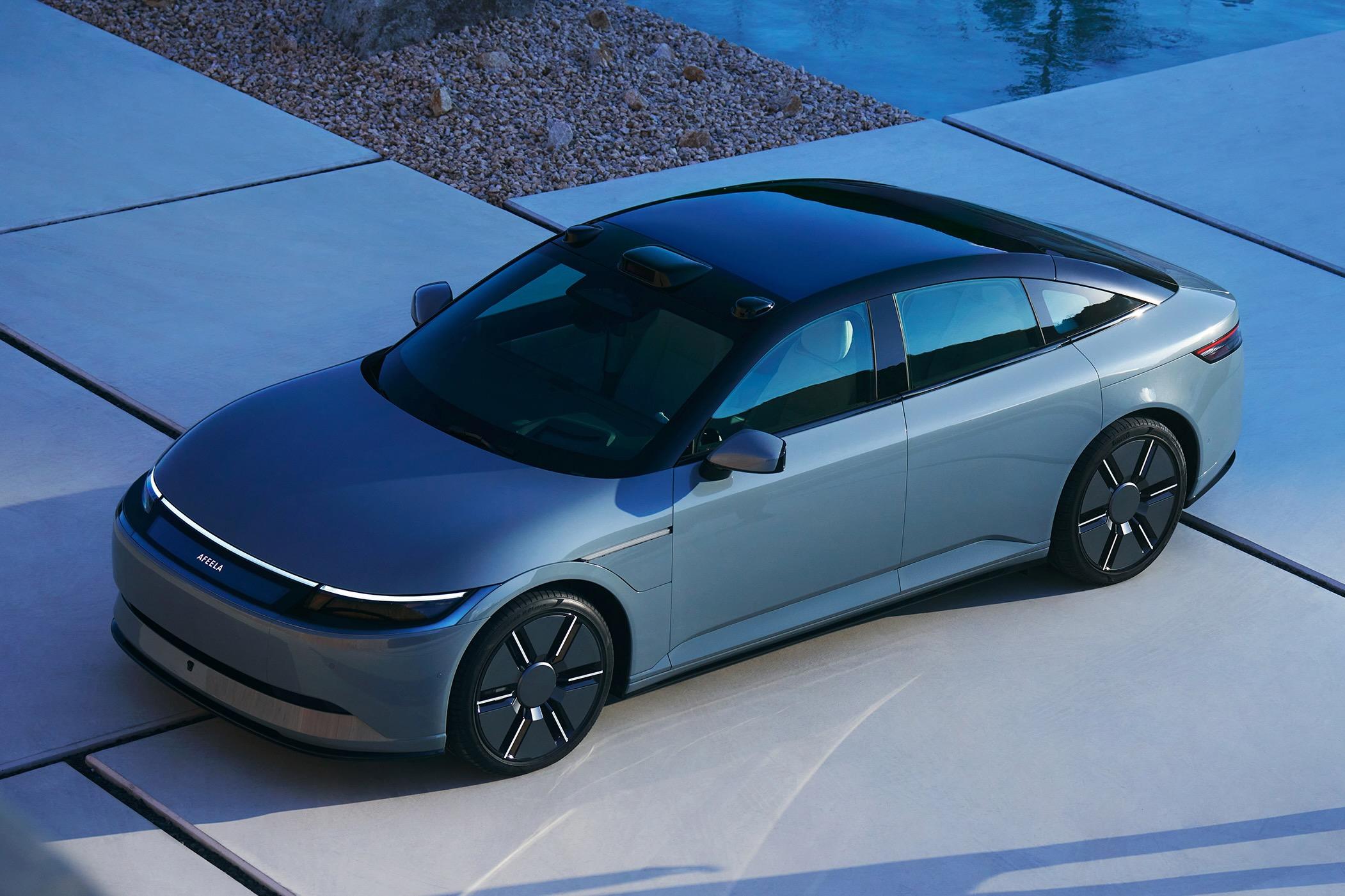
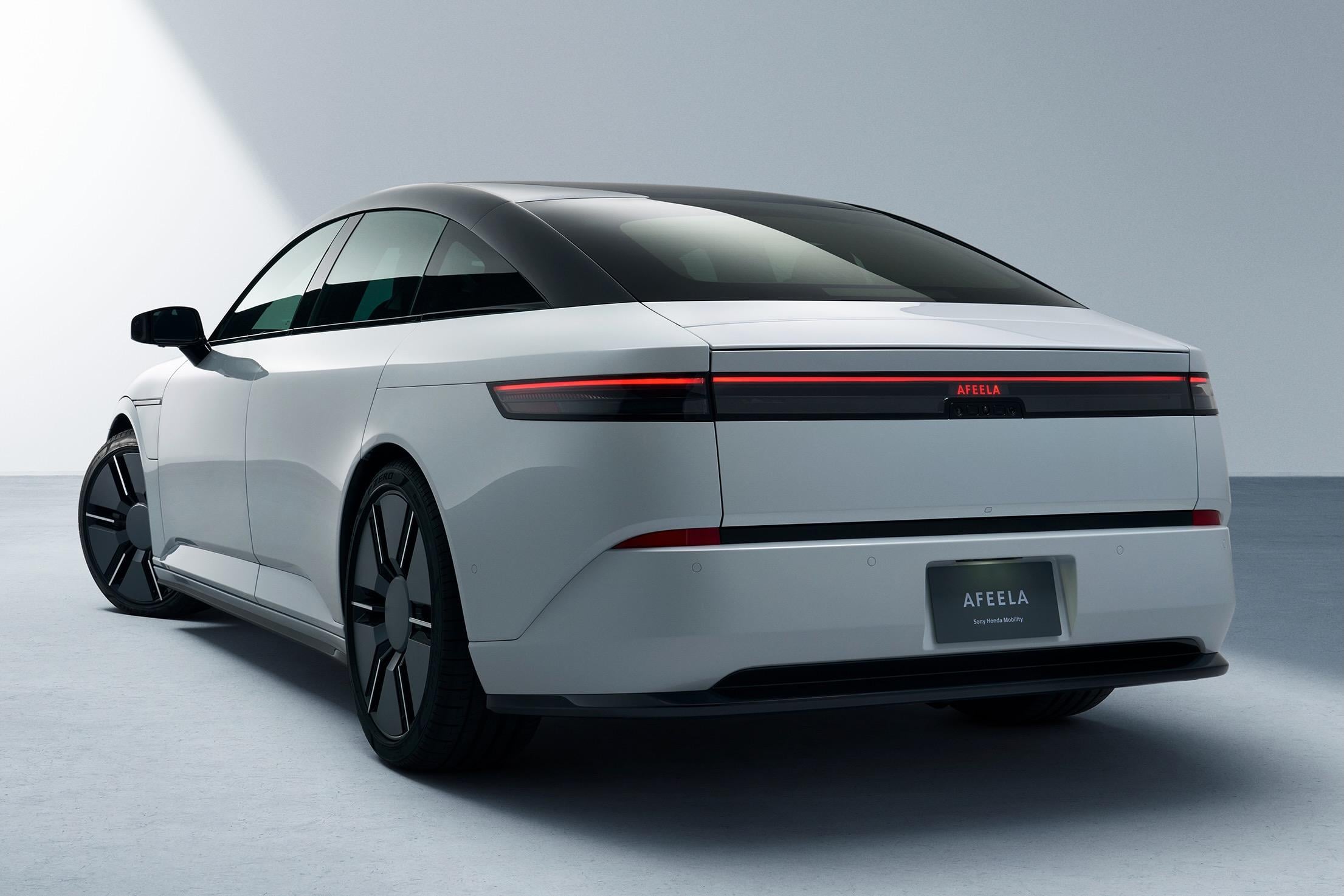
Perhaps the most significant blow to Mibe’s tenure is the substantial financial loss of ¥414.3 billion (approximately A$3.6 billion) that Honda reported for the financial year concluding in March 2026. This significant red ink was primarily a consequence of the company’s decision to cancel its planned “0 Series Saloon,” “0 Series Saloon,” and “Acura RSX” EV models, along with the “Afeela” EV range co-developed with Sony. These cancellations occurred mere months before they were scheduled to enter production.
Despite reportedly receiving advice from a Japanese bank to consider floating its EV business, Honda has opted to pursue its EV ambitions independently. This strategy involves a scaled-back commitment, with a focus on models such as the “Super-One” city hatch, electric kei cars, the affordable “0 Series Alpha,” and EVs developed in partnership with its Chinese manufacturing partners.
Furthermore, Honda plans to shift its strategic emphasis towards hybrid vehicles, with an ambitious target of reducing the cost of its hybrid drivetrains by approximately 30 per cent. In a move that appears to signal a return to pre-Mibe era operational philosophies, Honda also relocated its engineers back into the research and development department prior to announcing its annual loss.