The Hidden Cost of Second-Hand EVs: Mileage Fraud on the Rise
As fuel prices continue their upward trajectory, many Australians are turning their attention to the second-hand electric vehicle (EV) market, hoping to slash their running costs. However, a growing concern is emerging: the prevalence of “clocking,” or mileage tampering, in used EVs, potentially leaving unsuspecting buyers with a costly hidden problem. Experts are warning that while EVs might seem like a savvy financial move, they are increasingly becoming targets for odometer fraud.
Vehicle history platform CarVertical has shed light on this alarming trend, reporting that between January 2024 and March 2026, a notable 3 per cent of the EVs they examined showed evidence of mileage manipulation. This figure places EVs ahead of traditional diesel (2.8 per cent) and petrol (2.5 per cent) vehicles, and even hybrids (2 per cent).
Once a practice more commonly associated with the 1980s and 90s, clocking has seen a resurgence in recent years. This resurgence is largely attributed to the widespread adoption of new car finance and leasing agreements. With personal contract purchase (PCP) deals, which are favoured by a significant majority of new car buyers, and standard leases, drivers can face substantial charges – often between 3p and 50p per mile – for exceeding agreed-upon mileage limits. This financial pressure is pushing some motorists to seek out technology that can fraudulently alter their vehicle’s odometer readings.
The problem is expected to become even more pronounced from 2028, when proposals for pay-per-mile charges for electric cars are slated for introduction in some regions.
Why Mileage Tampering is a Serious Concern for EV Buyers
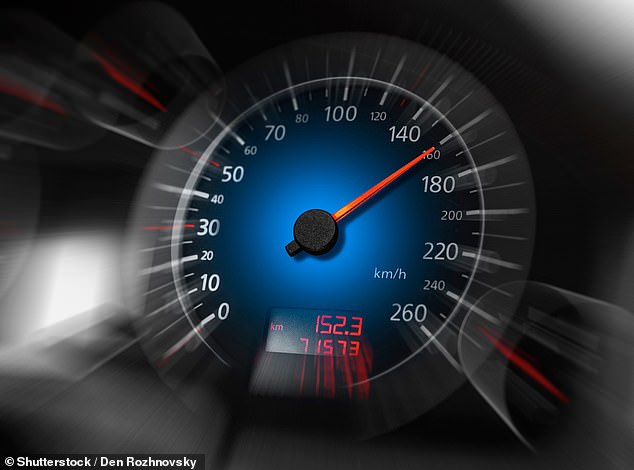
Mileage fraud serves to make an electric vehicle appear newer, less worn, and therefore more valuable than it actually is. Buyers actively seeking a low-mileage EV at a reduced price are at risk of significantly overpaying, potentially by thousands of dollars, for a vehicle that may harbour more wear and tear than advertised.
For electric vehicles, this higher real mileage has a direct impact on a crucial component: the battery. Repeated charging cycles contribute to battery degradation, and a higher-than-reported mileage can mean the battery has undergone more wear than anticipated, leading to a reduced lifespan and potentially costly replacement sooner than expected.
While EVs are now the most susceptible to being “clocked,” it’s worth noting that diesel cars still tend to have the largest discrepancies in mileage removed. According to CarVertical’s findings, the average second-hand diesel with tampered mileage has had approximately 35,000 miles wiped off. Petrol cars follow with an average reduction of around 28,000 miles, hybrids with 25,000 miles, and EVs with an average of 15,000 miles removed.
Brands Facing Higher Risk of Mileage Discrepancies
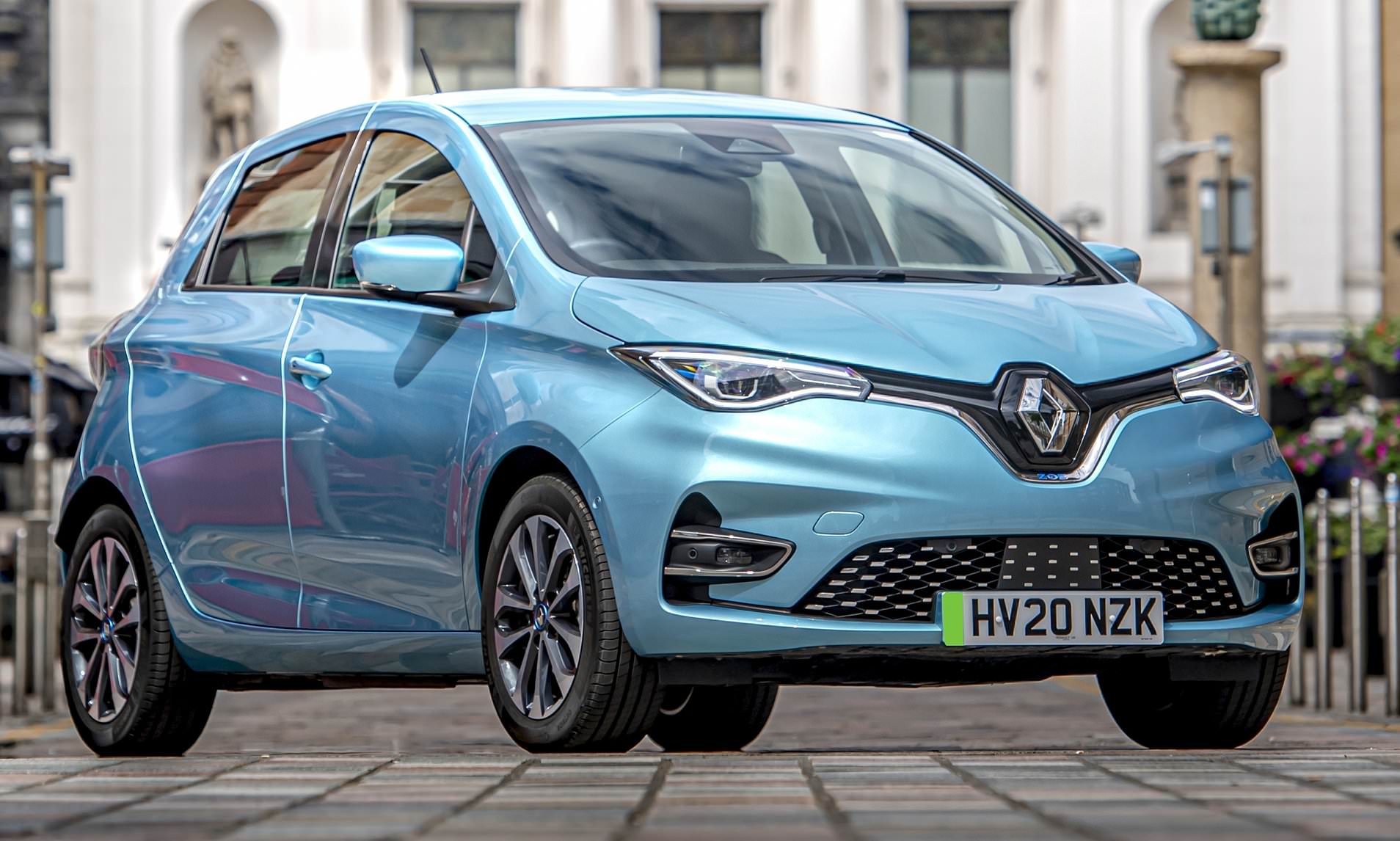
Certain EV brands appear to carry a higher risk of mileage discrepancies. CarVertical’s data indicates that Kia had the highest proportion of EVs with tampered mileage, at 13.6 per cent. Nissan followed closely with 12.4 per cent, then Renault at 4 per cent, Audi at 2.7 per cent, and Volkswagen at 1.8 per cent.
In the hybrid vehicle sector, Kia also leads the concerning statistics, with 11 per cent of their hybrids showing mileage discrepancies. Volvo is next at 4.8 per cent, followed by Mercedes-Benz (2.8 per cent), Lexus (2.3 per cent), and Toyota (1.8 per cent).
Matas Buzelis from CarVertical commented on the situation, stating, “Used EVs can seem an obvious way to protect against unpredictable fuel costs, but buyers should be careful not to swap one financial headache for another. A clocked car can appear a bargain on the surface while hiding a much harder life underneath. That matters in any vehicle, but especially with electric cars, where higher true mileage can mean more wear, questions over battery health and a greater risk of overpaying.”

The Rise of Sophisticated ‘Mileage Blockers’
A significant factor driving the increase in mileage fraud is the proliferation of sophisticated devices marketed as “mileage blockers” or “mileage freezers.” These technologically advanced tools make it exceptionally difficult to detect if a car’s odometer has been tampered with, enabling drivers to conceal the true mileage from finance companies, leasing providers, and potential buyers.
Unlike older methods of winding back odometers, these devices work by pausing the mileage recording while the vehicle is in motion. This creates the illusion of significantly lower usage. Crucially, these blockers don’t just affect the odometer; they can interfere with various electronic modules within the vehicle, including the Engine Control Unit (ECU), preventing accurate mileage from being logged across the entire system.
The sophistication of these devices means that even experienced car dealers can struggle to identify tampering, making it difficult to ascertain the true scale of the problem in the used car market.
Exploiting Legal Loopholes
In a concerning development, sellers in some jurisdictions are exploiting legal loopholes. They often market these mileage blocking devices as being “for off-road or research use only,” while simultaneously advertising them as “totally untraceable” and “99 per cent undetectable.” This practice raises serious questions about their intended use and suggests that fraudsters are actively employing them to inflate the resale value of vehicles. A simple online search can reveal numerous providers offering devices with claims of being “100 per cent untraceable and safe.”
Despite these assurances, buyers face substantial risks, as vehicle components may be significantly more worn than the artificially low recorded mileage suggests. The cost of these devices typically ranges from $300 to $1300 AUD, depending on the model and specific fittings required.
Vehicle data firm HPI highlights the particular concern that cars can still be sold with seemingly legitimate, albeit false, service histories and MOT records. Because the mileage is paused rather than reduced, it doesn’t create obvious discrepancies in MOT records, giving the impression the car has simply been unused for extended periods. While widely available in the US, these devices are now increasingly being sold in the UK and other markets, with some companies even offering installation by “fully qualified technicians.”

Proposed ‘eVED’ and the Threat of Increased EV Clocking
The financial benefits of owning an EV are substantial. Recent calculations suggest that the average EV driver is currently saving a significant amount annually compared to their petrol car-driving counterparts, primarily due to lower charging and fuelling costs. This gap has widened considerably over the past three years, making used EVs an attractive proposition for cost-conscious motorists.
However, this potential saving of almost $1,800 AUD per year could inadvertently make drivers more vulnerable to purchasing a clocked car. Furthermore, government plans to introduce pay-per-mile taxation for electric and hybrid vehicles could trigger a significant surge in EV mileage tampering.
In some regions, proposals for a “fairer” taxation system aim to charge EV owners a per-mile rate, with plug-in hybrids paying a lower rate. This policy is designed to offset declining fuel duty revenues as more drivers transition to electric vehicles. Motorists would likely be required to self-declare their expected annual mileage and pay accordingly.
The challenge lies in how these systems will be enforced. Low-cost mileage blocking devices threaten to undermine such schemes by allowing drivers to suppress their recorded mileage. While MOT tests may be used to verify mileage annually, vehicles fitted with blockers could display artificially low figures, potentially evading these charges. For consumers purchasing from the second-hand market, this could make buying a used EV far more hazardous than it currently is.
The potential for increased mileage tampering under such a system is a serious concern. Experts suggest that such schemes could create a strong temptation for unscrupulous drivers to tamper with their battery-powered cars.
The Legal Grey Area of Mileage Tampering
In many jurisdictions, including Australia, the act of altering a car’s mileage itself is not explicitly illegal. However, selling a vehicle without disclosing known mileage discrepancies is. Traders can face prosecution for mileage fraud under consumer protection laws, but this typically requires proof that they acted with financial gain.
The issue of mileage manipulation devices has been on the radar of regulators for some time, with concerns raised about their potential misuse. While governments have acknowledged the problem, the legal framework around mileage adjustment devices remains a complex grey area. The core issue is that selling a vehicle with incorrect mileage is only an offence if the discrepancy is not disclosed, and proving intent or knowledge can be extremely difficult. This leaves reputable dealers vulnerable to unknowingly selling a clocked car and facing liability, while often there is no direct route to prosecute the individual who initially altered the mileage. This legal ambiguity continues to fuel the problem of mileage fraud in the used car market, leaving buyers to navigate a landscape fraught with potential hidden costs.