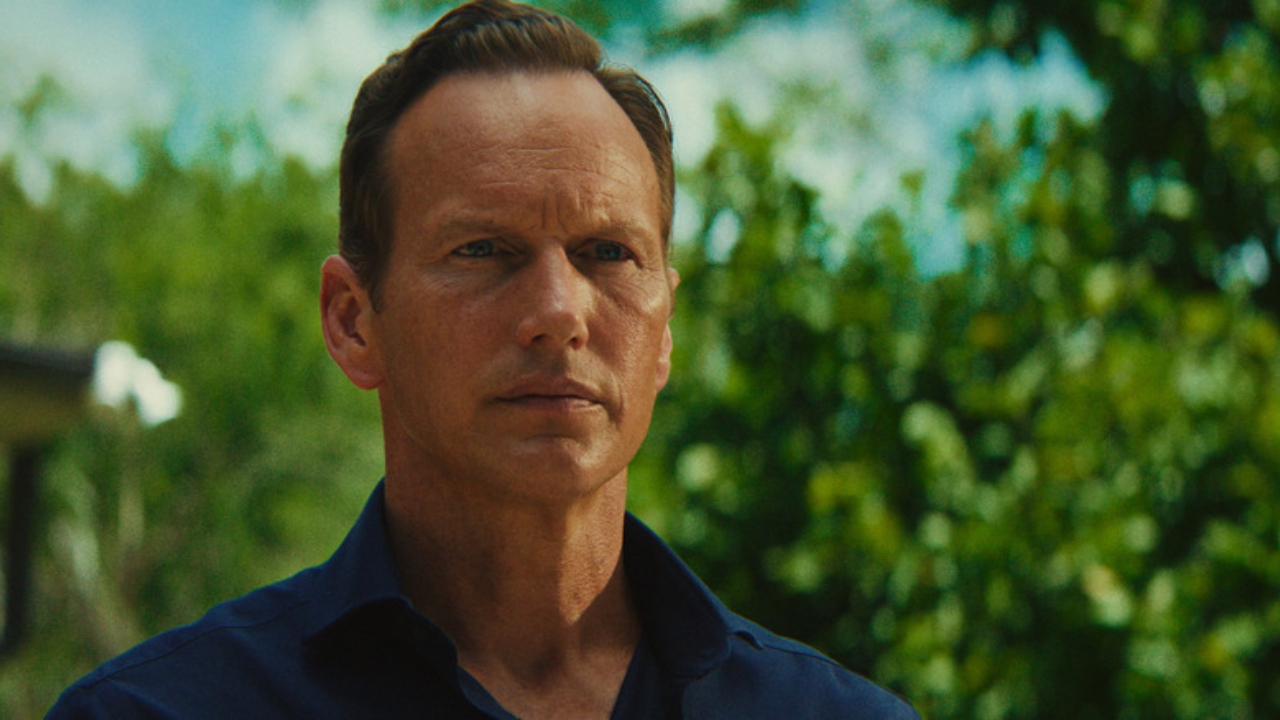
The Horror Show Must Go On: How Patrick Wilson Stays Sane on Set
The world of horror cinema and television often conjures images of actors perpetually steeped in darkness, wrestling with psychological torment and ghostly apparitions. From spine-chilling jump scares to the slow burn of suspense, it’s easy for audiences to assume that the cast and crew live and breathe the fear they so effectively portray. However, seasoned actor Patrick Wilson offers a starkly different perspective, revealing a crucial strategy that allows him to navigate even the most intense productions without succumbing to the gloom.
Wilson, currently promoting his new thriller Cape Fear for Apple TV+, shared a key takeaway from his extensive experience in the genre. He’s learned the invaluable art of knowing when to switch off. This seemingly simple concept has been instrumental in his ability to tackle demanding projects, including beloved franchises like Insidious and The Conjuring.
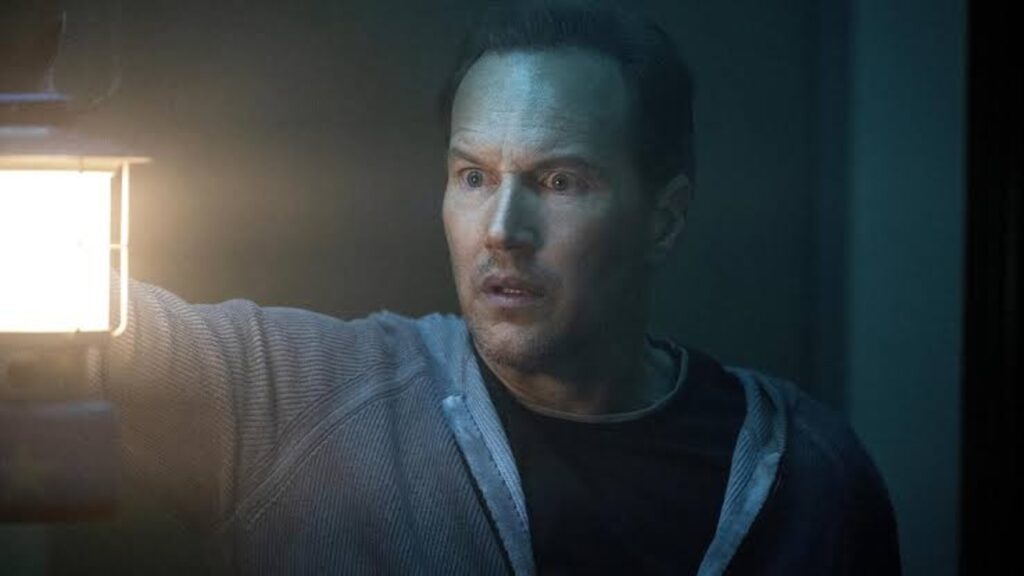
In Cape Fear, Wilson takes on the role of Tom Bowden, a lawyer whose seemingly ordered life unravels when a dangerous ex-convict targets his family. The series is a masterclass in building tension, breeding paranoia, and delivering potent emotional blows, positioning it as one of the year’s more unsettling television releases. Despite the on-screen turmoil, Wilson insists that the atmosphere behind the camera remained remarkably light-hearted. “We screw around a lot,” Wilson revealed. “I think that ends up just being the balance. Maybe that’s just how we’re used to working, but we had a lot of fun for sure.”
The Power of the Pause: Recharging Through Levity
Instead of becoming prisoners of the show’s inherently dark narrative, the cast opted for humour as their primary method of recharging between scenes. This involved a dynamic mix of witty banter, hearty laughter, and casual conversations about anything and everything, all of which served to alleviate the emotional weight of the material they were bringing to life. This deliberate act of stepping away from the characters and the unsettling scenarios allowed them to return to their roles with renewed focus and energy when the cameras started rolling again.
Stepping Back: A Key to Effective Horror Performance
Wilson firmly believes that maintaining a constant state of character immersion is counterproductive in horror filmmaking. Allowing oneself moments of genuine relaxation and detachment, he argues, actually enhances an actor’s ability to fully commit when it’s time to perform. This philosophy has become a guiding principle throughout his career.
Having been a central figure in some of modern cinema’s most successful horror franchises, Wilson has spent years dissecting the very mechanics of fear on screen. His approach is not about wallowing in the darkness but about achieving a crucial, healthy equilibrium.
This practical approach also sheds light on a less-discussed aspect of the horror industry. While audiences are captivated by the monsters, the haunted houses, and the heart-stopping moments, the individuals creating these experiences are often engaged in a collaborative effort to produce the best possible outcome. The infectious laughter and inside jokes shared between takes can be just as vital to the production’s success as the screams captured on camera. For Patrick Wilson, this isn’t merely a coping mechanism; it’s a fundamental element that contributes to the potent effectiveness of horror as a genre. It’s a testament to the fact that even in the darkest of projects, a little light can go a long way.