Rare Mosquito-Borne Virus Claims Life in Western Australia
A tragic death in Western Australia has underscored the persistent risk of mosquito-borne illnesses, particularly in the state’s northern regions. The Western Australia Health Department has confirmed the fatality of an individual who contracted Murray Valley Encephalitis (MVE) while travelling in the state’s remote north. This marks the first reported death from this rare but potentially severe virus in WA for the current year.
Health Department managing scientist Andrew Jardine indicated that the adult victim was likely exposed to the virus in the West Kimberley region, a vast expanse located approximately 2,000 kilometres north of Perth. “That’s where it was likely acquired, and then [the person] was transferred down to a hospital in Perth, where they sadly passed away recently,” Dr Jardine explained. He further elaborated on the incubation period of the virus, noting that symptoms can take several weeks to manifest. “Early to mid-May would be the most likely exposure time, but that is probably indicating that there is still a virus risk there even now.”
Understanding Murray Valley Encephalitis
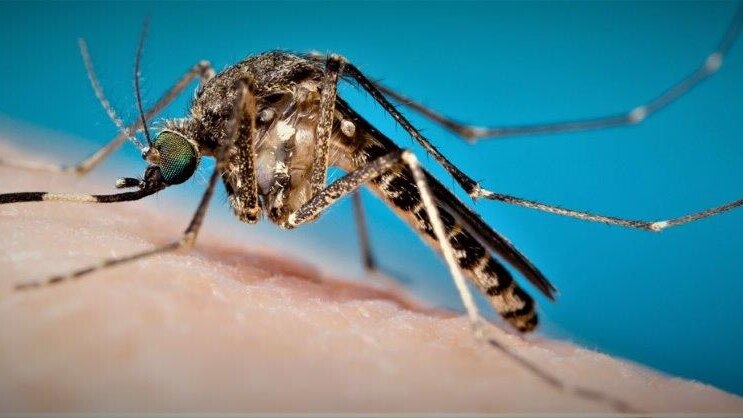
Murray Valley Encephalitis is a virus endemic to the northern parts of Western Australia. It is transmitted to humans through the bite of infected mosquitoes. Crucially, there is no vaccine available to prevent MVE, making personal protection against mosquito bites paramount.
While serious complications arising from MVE are considered rare, the virus has the potential to cause encephalitis, an inflammation of the brain. This can lead to significant brain damage and, in the most severe cases, prove fatal. Dr Jardine highlighted the variable nature of the illness, stating that many infected individuals may experience no symptoms at all, or only very mild ones.
“It’s a strange virus in that a lot of people do get it and won’t have symptoms or very, very mild symptoms,” he said. “Quite rarely… you can get this very serious encephalitis, which is swelling on the brain that can cause brain damage or result in death.”
Warning Signs and Seeking Medical Advice
The Department of Health urges anyone experiencing symptoms suggestive of MVE, or other mosquito-borne viruses such as Japanese encephalitis, to seek immediate medical attention. Symptoms of severe encephalitis can include:
- Swelling
- Headache
- Confusion
- Dizziness
- Nausea
- Neck stiffness
Prompt medical evaluation is crucial for early diagnosis and management of these potentially life-threatening conditions.
Tourist Season and Increased Risk
With thousands of tourists flocking to northern Australia in the coming months to enjoy the milder winter climate, residents and travellers are being strongly advised to implement robust measures to protect themselves from mosquito bites. Dr Jardine emphasised that the risk of contracting MVE is amplified during and in the immediate aftermath of the wet season in the Kimberley and Pilbara regions. This heightened risk period can extend into July.
“The wet season in northern WA and the period immediately after it are the highest risk time for mosquito-borne virus activity,” Dr Jardine stated. “Once you get beyond that period in the dry season, most of the mosquitoes are gone. Even if the mosquitoes are not new ones coming through, there could be ones that have been flying around for a week or two that may have acquired Murray Valley Encephalitis that could still be infecting people for another few weeks yet.”
Surveillance and Prevention Strategies
The Department of Health actively monitors mosquito-borne virus activity through comprehensive surveillance programs. These include sentinel chicken and mosquito surveillance initiatives, which have detected MVE and other flavivirus activity since the beginning of the year. Sentinel chickens are strategically placed across various locations in the Kimberley and Pilbara. Blood samples are regularly collected from these birds and analysed in laboratories to identify the presence of mosquito-borne diseases.
“It is a bit of a scary disease if you get it, and it’s far better to just avoid acquiring it in the first place by avoiding mosquito bites,” Dr Jardine concluded, reinforcing the importance of preventative measures.
Key Prevention Tips:
- Use insect repellent: Apply repellent containing DEET or picaridin to exposed skin.
- Wear protective clothing: Cover up with long sleeves and long trousers, especially during dawn and dusk when mosquitoes are most active.
- Install and maintain insect screens: Ensure windows and doors have well-maintained screens to prevent mosquitoes from entering homes.
- Eliminate breeding grounds: Remove stagnant water from around your property, such as in pot plant saucers, old tyres, and gutters, as these are prime breeding sites for mosquitoes.
- Use mosquito nets: If sleeping in areas without screens, use a mosquito net.