Ancient Fingerprints Emerge from Italian Lake, Revealing Glimpse of a 3,000-Year-Old Artisan
A humble, unfinished clay figurine, pulled from the depths of Italy’s Lake Bolsena, is offering archaeologists an incredibly rare and intimate look into the life of its creator, who lived nearly three millennia ago. Discovered in 2024 at the Gran Carro di Bolsena, a fascinating submerged archaeological site in central Italy, this small object, dating back to between the 10th and 9th centuries BC, has become a standout find due to the distinct human traces it has preserved. While seemingly unremarkable at first glance, the figurine’s unfinished state and the subtle imprints it bears are providing a direct connection to an individual from the distant past.
The Gran Carro di Bolsena site itself is a treasure trove of history, revealing evidence of settlements, ritualistic activities, and subsequent occupations spanning various eras. The continuous discoveries from this location continue to shed light on the lives of those who once inhabited the lake’s tranquil shores.
The Tangible Touch of an Ancient Craftsperson
This small, roughly palm-sized figurine is believed to represent a woman. Its true significance, however, lies not in its artistic polish but in its evident incompleteness. It appears more as a work in progress, a snapshot of a moment in time rather than a finished piece.
Crucially, the clay material still retains the distinct fingerprints of the individual who shaped it almost three thousand years ago. This seemingly minor detail creates an unusually potent and direct link between modern researchers and a specific person from antiquity. It’s a tangible reminder of the human hands that worked the earth, shaping it into forms that would outlast them by centuries.
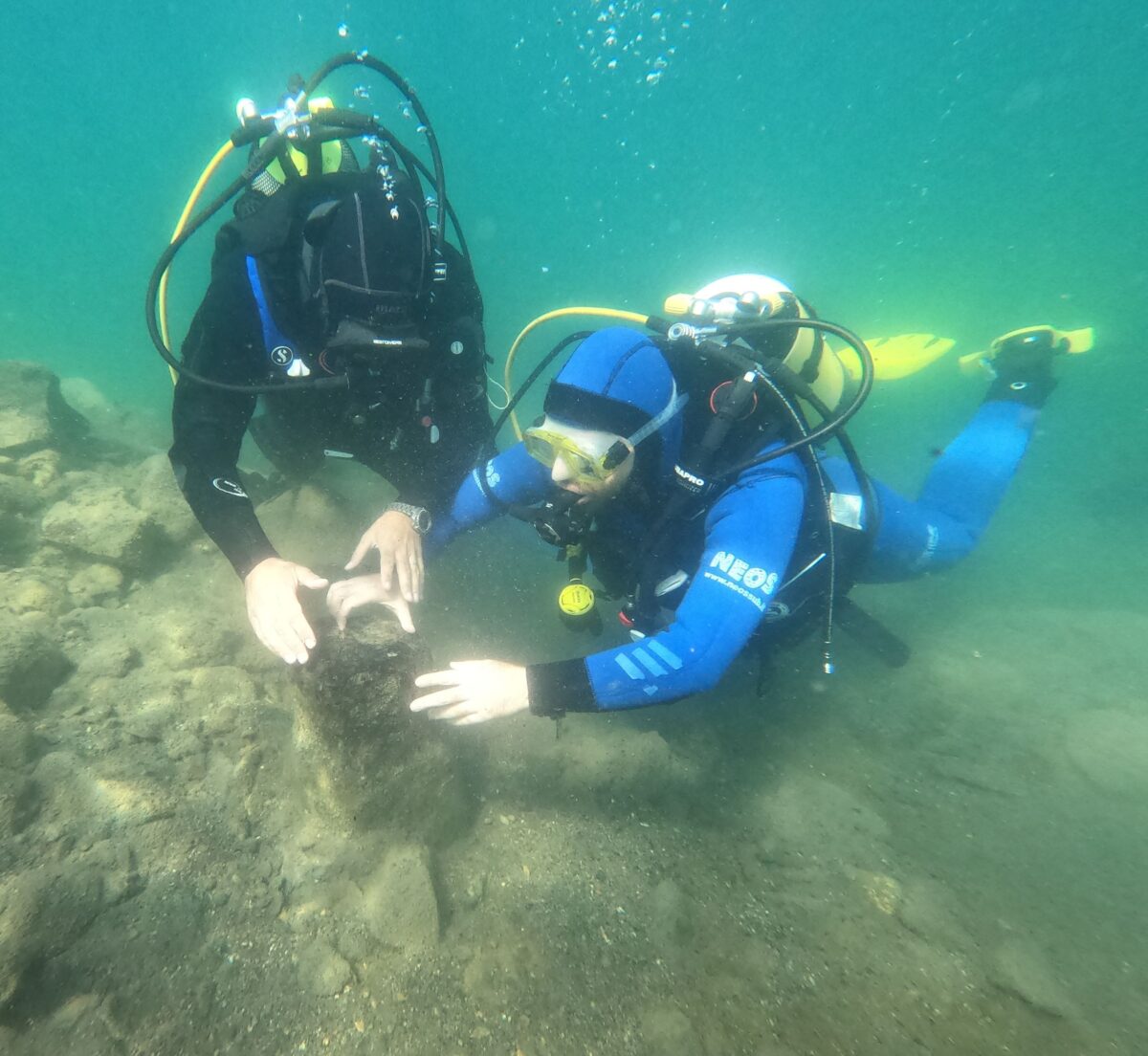
Further insights into the figurine’s creation come from an impression found beneath the figure’s chest. Experts have noted that traces within the clay suggest the figurine may have been adorned with fabric. Although any textiles have long since vanished, their imprint remains as a ghostly echo of its original appearance.
A Mysterious Object with Unanswered Questions
The precise purpose of this figurine remains shrouded in mystery. While archaeologists have formulated several theories, the available evidence does not allow for definitive conclusions. Researchers involved in the examination have pointed out that similar objects are frequently unearthed in funerary contexts. However, this particular find originated from an area identified as residential, a crucial distinction that complicates its interpretation.
Specialists have posited a range of possibilities:
* It could have been employed in household rituals, playing a role in the daily spiritual lives of the inhabitants.
* It might have served as a votive offering, a gift to the gods or spirits.
* A simpler explanation suggests the object was simply discarded before its completion, left unfinished by its maker.
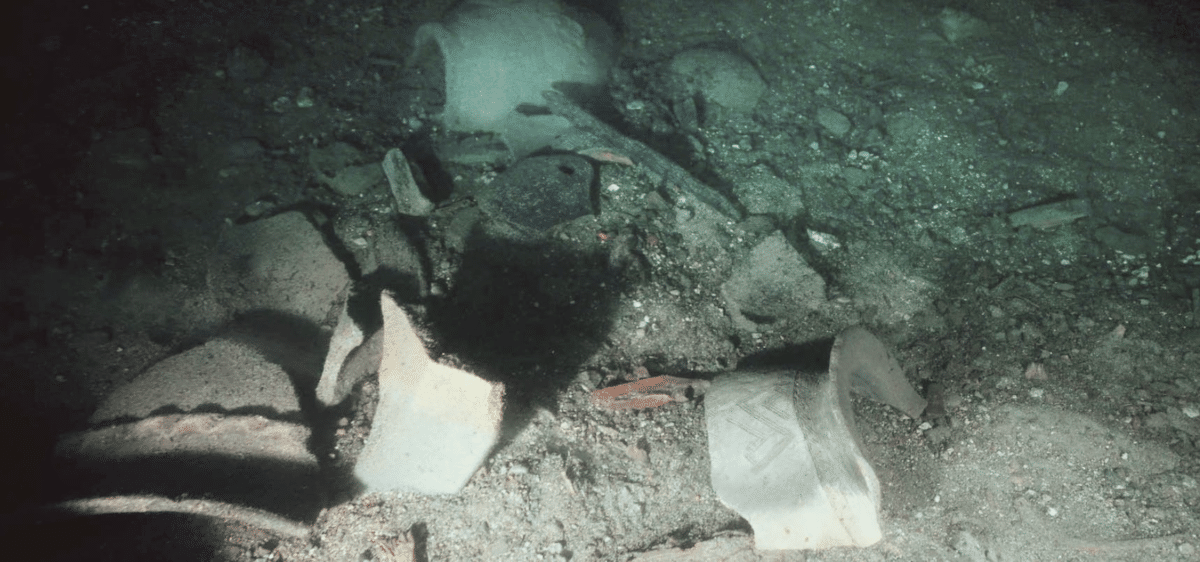
The figurine’s rough and unrefined appearance lends credence to the idea that it was never fully completed. Unlike meticulously crafted ceremonial artifacts, this object appears deliberately incomplete, as if its creator ceased work and never had the opportunity or intention to return to it. For now, archaeologists are left to explore the various possibilities that this intriguing discovery presents.
A Discovery from an Unconventional Underwater Site
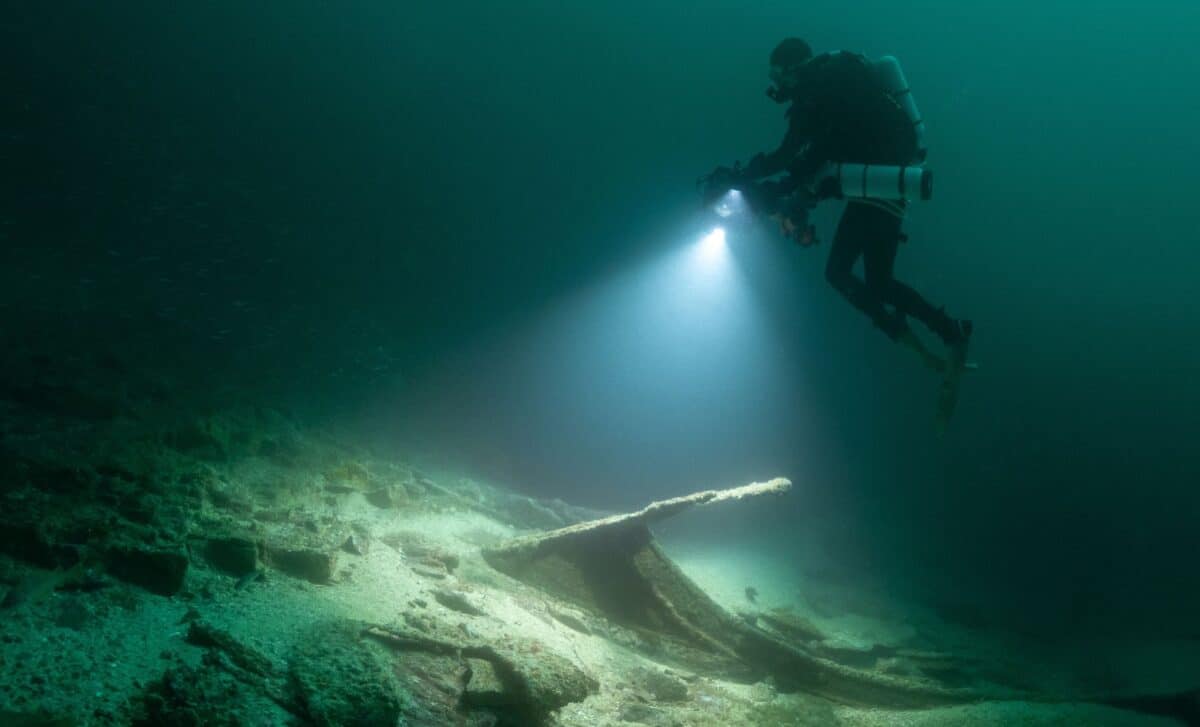
The figurine was unearthed in the Aiola sector of Gran Carro di Bolsena, a site boasting a rich and multifaceted history. Historical and scholarly accounts indicate that the area was once dry land before gradually succumbing to rising water levels, leading to its submersion.
The broader archaeological complex encompasses remnants dating back to the Middle Bronze Age, alongside substantial evidence from the Early Iron Age. Different sections of the site appear to have served distinct functions throughout its history.
- One area is associated with a palafitta, or a pile-dwelling settlement, indicating a community built on stilts over the water or marshland.
- Another section, known as Aiola, is officially documented as a cultic zone.
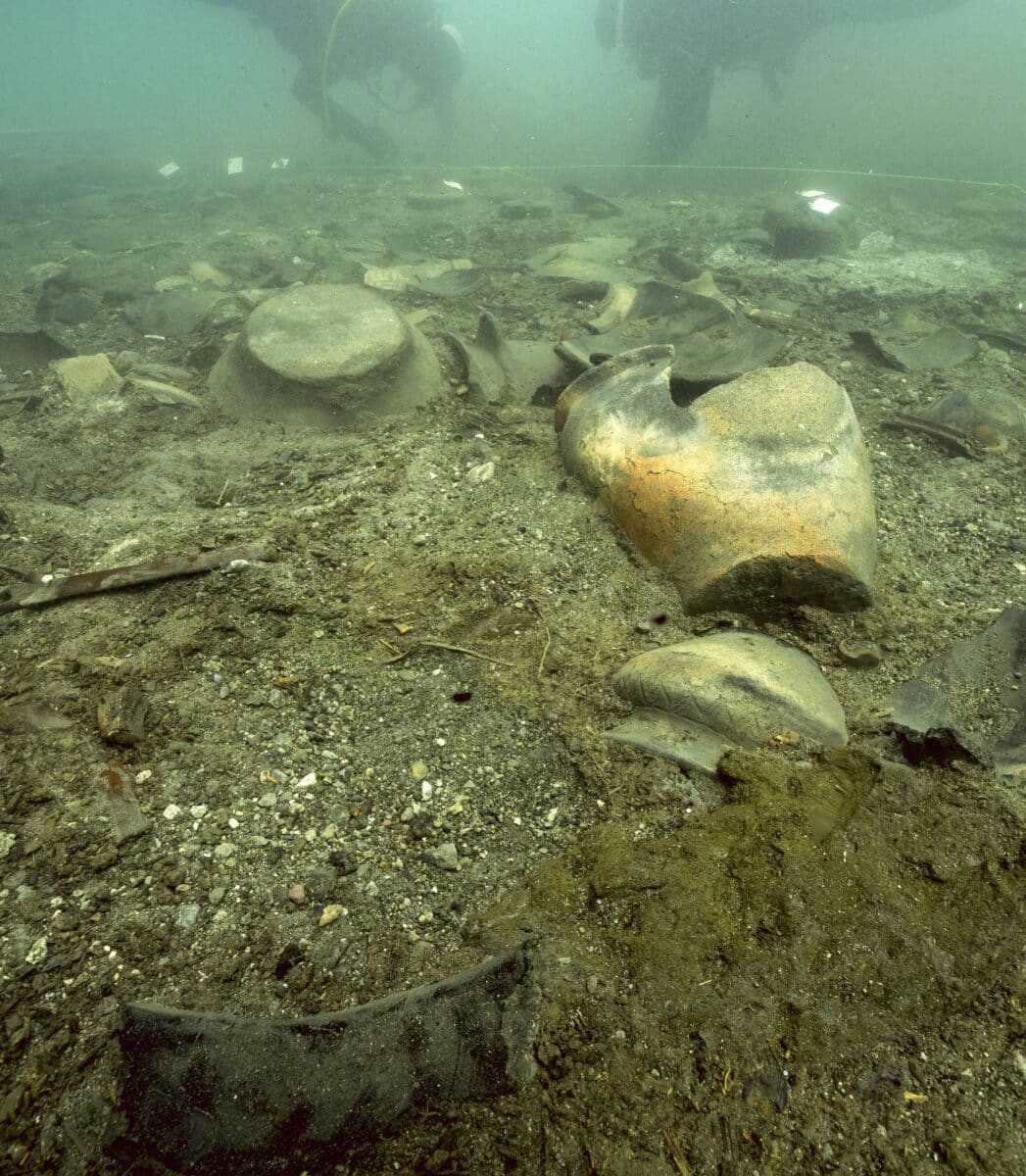
Information released by the relevant heritage authorities highlights compelling evidence of ritual fires, food offerings deposited in large ceramic containers, and caches of valuable metal objects discovered amongst the stones, all pointing towards significant ceremonial activities.
The Gran Carro di Bolsena site also bears witness to much later human activity. Archaeologists have recovered pottery shards and coins from the Late Roman period, specifically from the Constantinian era, demonstrating that the area continued to attract human presence and activity long after the Iron Age communities had departed.
As of January 2026, plans were underway to transform Gran Carro into a unique underwater archaeological park. This ambitious project aims to incorporate elements such as underwater conservation efforts, designated snorkeling routes, tours via transparent-bottom boats, detailed photogrammetric 3D documentation, and immersive virtual experiences, making this ancient site accessible and engaging for a wider audience.