Questions Swirl Around President Trump’s Cognitive Testing Amidst Family Scrutiny
The recurring nature of President Donald Trump’s cognitive testing has become a significant talking point, and it’s now facing a barrage of skepticism, even from within his own family. While the administration has offered explanations, one prominent critic, President Trump’s niece Mary L. Trump, remains unconvinced, labelling the justifications as “absurd.”
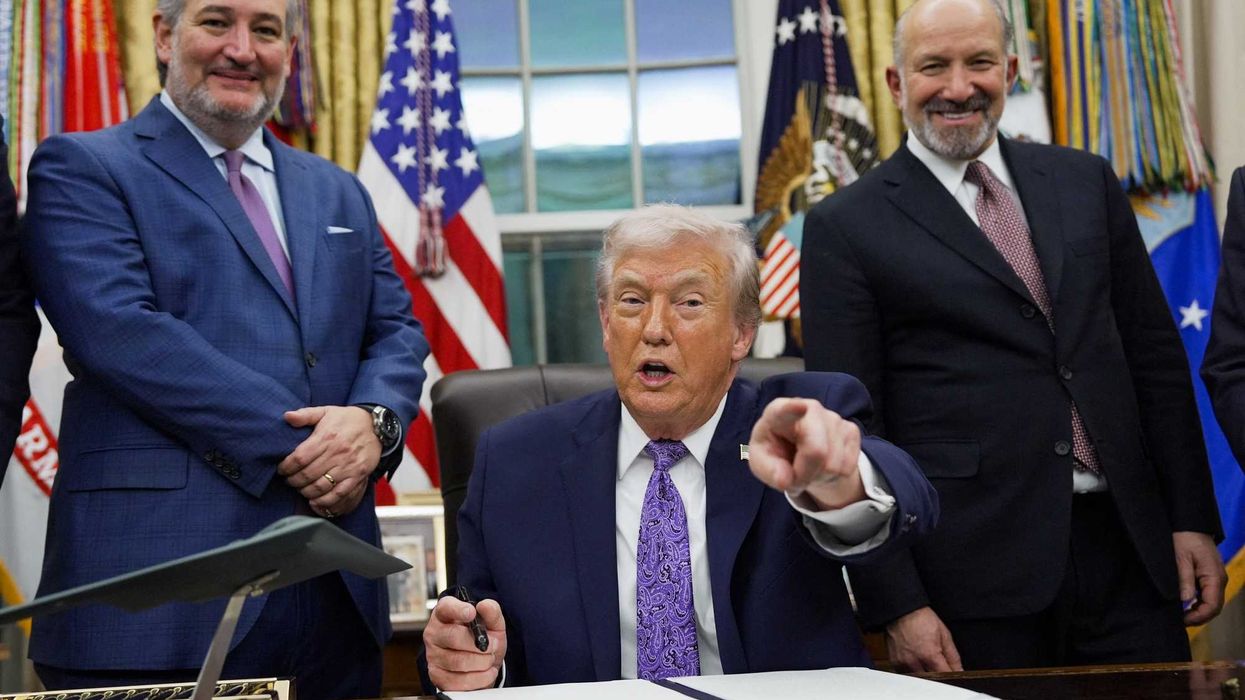
The White House’s health czar, Dr. Mehmet Oz, recently attempted to shed light on the President’s frequent visits for these assessments. Appearing in the White House briefing room to discuss the administration’s healthcare agenda, Dr. Oz was pressed by reporters on what appeared to be a contradiction: if President Trump is as mentally sharp as he asserts, why the repeated need for cognitive evaluations?
Dr. Oz provided a unique defence, suggesting, “I think he likes the results.” He elaborated, stating, “He does really well. He aces the test every single day and I do actually believe that he’s curious to make sure everything’s going in the right direction. He’s a very meticulous person in so many ways that are often underappreciated.”
However, Mary L. Trump, a clinical psychologist and a vocal critic of her uncle, dismissed this explanation outright. In her weekly Substack newsletter, Trump Trolls Trump, she expressed her disbelief, writing, “I have never heard anything so absurd in my life.”
Mary Trump highlighted what she perceived as a significant inconsistency in the President’s reasoning. She pointed out that President Trump has frequently cited the demands of the Iran war as a reason for his inability to attend to various obligations, even going so far as to miss his son’s wedding. Yet, she noted, he seemingly finds ample time for repeated trips to Walter Reed for cognitive tests he has already passed.
“How could he possibly justify going back to Walter Reed repeatedly for tests he’s already taken just because he likes the results?” she questioned. “These people are practiced liars, but their lies are getting increasingly unbelievable.”
A Pattern of Perceived Ironies and Unflattering Nicknames
Beyond the cognitive testing controversy, Mary Trump also drew attention to other instances she found telling. She observed FCC Chairman Brendan Carr’s appearance on Fox News, where he cautioned about the detrimental effects of excessive screen time on children, citing research that links it to “reading disabilities, math comprehension problems, and cognitive declines.” Mary Trump subtly pointed out the irony of this warning, given her uncle’s well-documented habit of spending considerable hours in front of the television.
The newsletter also delved into an interview President Trump conducted with his daughter-in-law, Lara Trump, for Fox News. The interview, notably filmed in front of a colossal portrait of President Trump himself, saw the President unveil his latest moniker for Democrats: “Dumocrats.” He provided an extended explanation for the origin of this nickname, crediting House Minority Leader Hakeem Jeffries as his inspiration.
“I said, he’s really dumb. Wait a minute, he’s a Dumocrat,” President Trump explained during the interview. “I think it works.”
Mary Trump offered a succinct and cutting assessment of her uncle’s linguistic creativity: “Says the stupidest person ever to draw a breath.”
Further Scrutiny and Concerns
The repeated cognitive testing has ignited debate and raised concerns among various observers and medical professionals. Reports and analyses have emerged, prompting further discussion about the President’s mental acuity.
- Analysis of “Inadvertent” Admissions: Some commentators have suggested that statements from figures like Senator Marco Rubio, which they interpret as “inadvertent” admissions regarding President Trump’s “cognitive challenges,” warrant closer examination. These analyses often dissect subtle cues and word choices that might indicate underlying concerns about cognitive function.
- Medical Professionals Raise Red Flags: Medical experts have also voiced their opinions, with some raising the prospect of an “underlying condition” as a potential factor, especially when President Trump undergoes non-routine cognitive tests. This suggests that the nature and frequency of the tests might be interpreted as a response to, or an attempt to monitor, specific health concerns.
- Conflicting Claims and Public Statements: President Trump’s own public statements have also contributed to the ongoing discussion. His claims of having served three terms, coupled with his boasts about “acing” cognitive tests, have been highlighted as potentially contradictory or indicative of a disconnect with established facts. This juxtaposition fuels speculation and prompts deeper investigation into the accuracy and reliability of his self-assessments.
- Observable Signs of Decline: Observers have pointed to what they describe as “troubling” new signs of cognitive decline in President Trump’s latest interviews. These observations are often based on analyses of his speech patterns, coherence, and ability to recall information, leading to further discussions about his mental fitness for office.