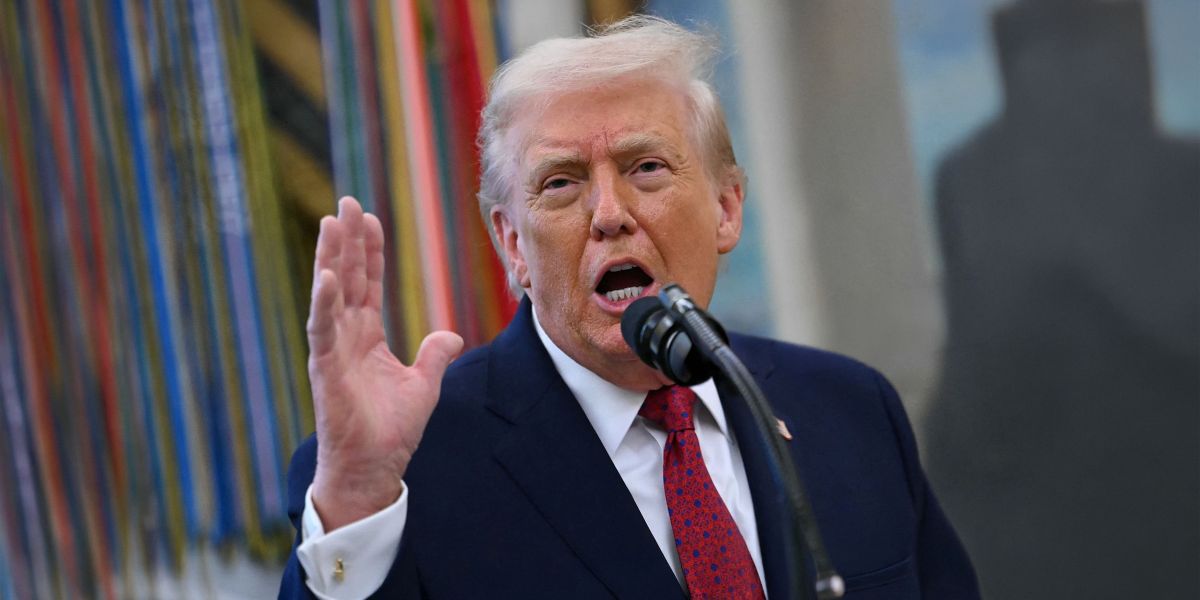
As the clock ticks down towards the 2026 FIFA World Cup finals, the political landscape surrounding a potential Donald Trump presidency is casting a significant shadow over what is undeniably the planet’s premier sporting spectacle. Reports suggest that Trump’s resurgence on the political scene has unexpectedly woven him into the fabric of the tournament’s narrative, drawing FIFA President Gianni Infantino into what some are describing as a “global MAGA orbit.”
The connection between the former US President and the head of FIFA has been notably close. Trump, who famously displayed a replica World Cup trophy in the Oval Office during his tenure, has hosted Infantino on multiple occasions. Furthermore, he presented a trophy at a FIFA club tournament held in the United States last year. This relationship reached a significant point when Infantino bestowed upon Trump the inaugural FIFA Peace Prize in December, presenting the award at the John F. Kennedy Center for the Performing Arts in Washington, D.C., where Trump also serves as Board Chair. Infantino’s public alignment with Trump has also been evident, with a notable Instagram post following Trump’s second-term inaugural rally where the FIFA president declared, “Together, we will make not only America great again, but also the entire world.”
Political Turbulence and Fan Disquiet
Despite FIFA’s statutes mandating neutrality in political matters, the potential impact of Trump’s hardline policies is raising concerns about a global tension that could overshadow the tournament. Several key issues are causing mounting unease among fans and observers alike:
- Immigration Policies and Travel Restrictions: The prospect of stringent immigration enforcement, including potential travel bans and increased scrutiny at borders, is a significant worry. This could create considerable hurdles for fans, players, and officials wishing to travel to the host nations.
- Fear of Enforcement and Scrutiny: The visibility of immigration enforcement agencies and heightened border security could foster an atmosphere of apprehension, detracting from the celebratory nature of the event.
- Strained International Relations: Trump’s past criticisms of traditional allies and his imposition of tariffs have already created diplomatic friction. The possibility of renewed political spats could extend to the international sporting arena, potentially impacting participating nations.
- Calls for Boycotts or Reduced Participation: In light of past diplomatic incidents, such as Trump’s suggestion that Denmark hand over Greenland, there are discussions about the potential for certain nations, particularly in Europe, to consider boycotting the World Cup. This stands in stark contrast to the unifying image that FIFA aims to cultivate, especially considering the 2022 World Cup final captivated an estimated 1.5 billion viewers globally.
Logistical Challenges and Prohibitive Ticket Prices
Beyond the political sensitivities, there are growing questions about the United States’ preparedness to host an event of such immense scale. Leading figures in the travel industry have voiced concerns that the country might face significant challenges in effectively managing the tournament. These concerns are primarily centred on:
- Extended Visa Wait Times: Supporters travelling from around the world could face lengthy delays in obtaining necessary visas, potentially impacting their ability to attend matches.
- Outdated Technology and Infrastructure: The efficiency of travel processes could be hampered by older technological systems at airports and border crossings.
- Staffing Shortages: A lack of adequate staffing at customs and immigration checkpoints could lead to significant delays and frustration for attendees.
- Long Airport Security Queues: Overburdened security systems at airports are likely to result in extended waiting times, impacting the overall travel experience for fans.
Geoff Freeman, president and CEO of the U.S. Travel Association, has underscored the urgency of addressing these issues, stating, “We’re running out of time.”
Ticket prices have also emerged as a major point of contention, with escalating costs threatening to price out a significant number of passionate supporters. Even Donald Trump has expressed surprise at the exorbitant prices, reportedly telling the New York Post that he himself would not pay $1,000 for a ticket to the United States’ opening World Cup match, admitting, “I would certainly like to be there, but I wouldn’t pay it either, to be honest with you.”
As the world anticipates the opening whistle of the 2026 FIFA World Cup, it appears the tournament faces a complex challenge: navigating the delicate balance between a global celebration of football and the potent political realities and controversies that may surround its host nation. The success of this event will undoubtedly depend on its ability to transcend these potential divisions and unite fans from all corners of the globe.