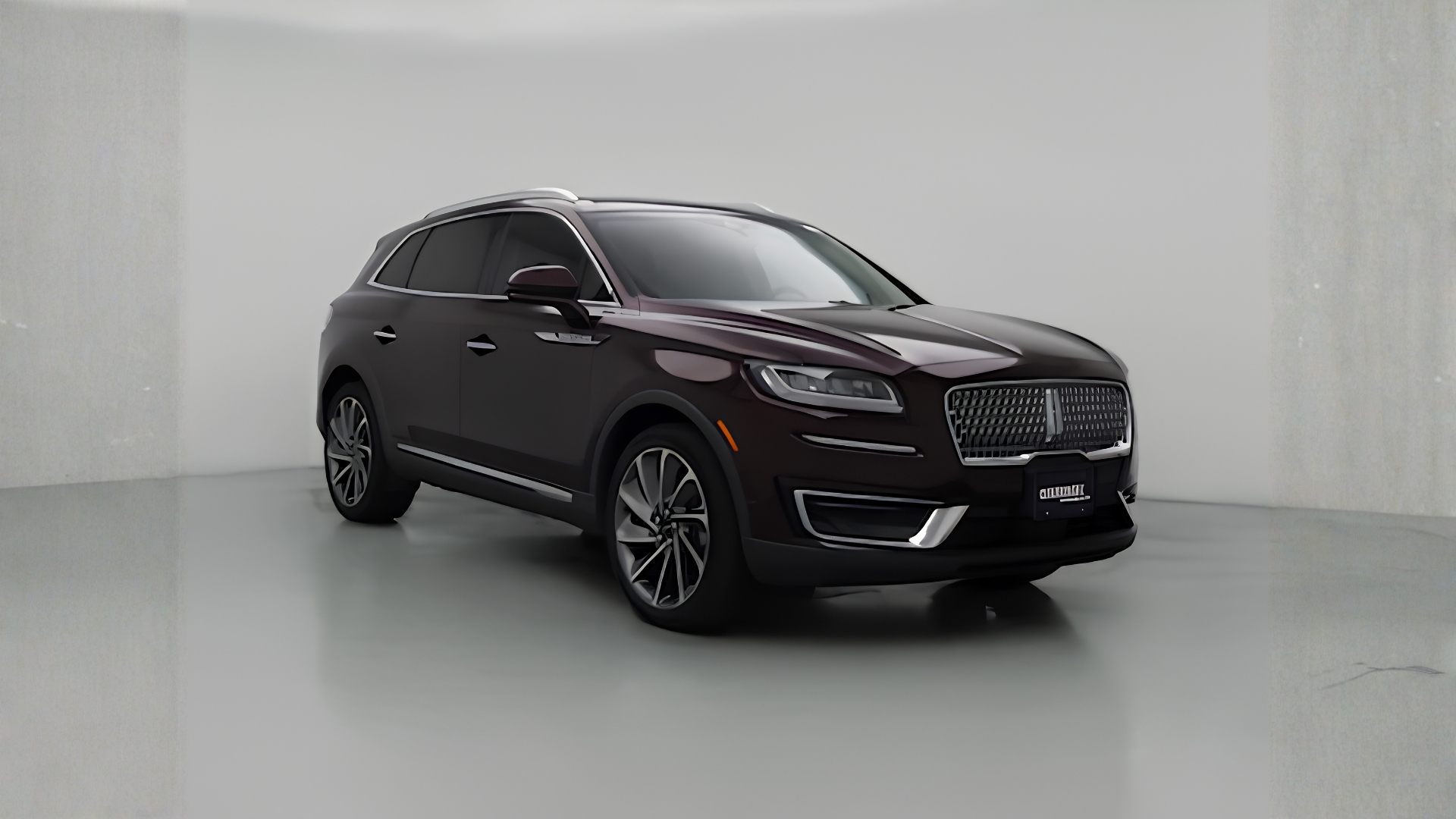
Depreciation Creates Opportunities
Luxury vehicles are notorious for losing value.
For new-car buyers, that reality can be painful. For used-car shoppers, it can create extraordinary opportunities. Few segments demonstrate this better than full-size luxury SUVs, where six-figure vehicles can eventually become available for prices comparable to mainstream family crossovers or entry-level luxury sedans.
Lincoln sits squarely in that category.
Models like the Lincoln Navigator offer many of the features buyers expect from flagship luxury vehicles, yet depreciation often places them within reach of shoppers who would never consider purchasing one new.
The result is a surprisingly compelling value proposition.
Size Still Matters in Luxury Vehicles
The luxury market has changed dramatically over the past decade.
Technology, electrification, and digital experiences now dominate many purchasing decisions. Yet one traditional luxury attribute remains highly valued: space.
Large SUVs continue to appeal because they deliver a sense of comfort that smaller vehicles struggle to match.
The Navigator exemplifies this philosophy. Its expansive cabin, generous seating arrangements, and substantial road presence create an ownership experience focused on effortless comfort rather than outright sportiness.
That approach may not appeal to everyone, but it remains attractive to buyers seeking long-distance refinement.
American Luxury Has Always Taken a Different Approach
Comparisons with German rivals are inevitable.
Brands such as BMW, Mercedes-Benz, and Audi traditionally emphasize driving dynamics, engineering sophistication, and performance credentials.
Lincoln’s formula is different.
Historically, American luxury has focused on comfort, quietness, and ease of use. Rather than encouraging spirited driving, vehicles like the Navigator prioritize smoothness and relaxation.
That distinction becomes particularly important in the used market.
Many buyers discover they prefer comfort-focused luxury once they move beyond badge prestige.
The Equipment List Remains Impressive
One reason large luxury SUVs age well is that they often arrive with extensive equipment.
High-end audio systems, premium leather interiors, advanced driver-assistance technologies, heated and ventilated seating, and sophisticated infotainment systems were common features on flagship Lincolns years before they filtered into more affordable vehicles.
As a result, many used examples still feel surprisingly modern.
Technology inevitably evolves, but luxury features that enhance comfort tend to retain their appeal for much longer. A well-equipped Navigator from several years ago can still feel every bit as premium as many new vehicles costing significantly more.
That is where the value equation becomes particularly attractive.
Buyers Need to Consider Ownership Costs
The lower purchase price does not eliminate all luxury-vehicle realities.
Large SUVs remain expensive machines. Fuel consumption, insurance, tires, and maintenance costs are generally higher than those associated with smaller vehicles.
Prospective buyers should factor those expenses into their calculations.
The goal is not simply finding the cheapest way into a luxury badge. It is finding a vehicle that delivers genuine value once total ownership costs are considered.
Fortunately, Lincoln’s reputation for comfort and durability often helps strengthen that case compared with some rivals.
The Market Is Changing
Another factor influencing used luxury SUV values is the industry’s ongoing transition toward electrification.
As manufacturers invest heavily in EV development, some traditional luxury models experience faster depreciation than they might have in previous decades. This creates additional opportunities for used-car buyers willing to consider conventional gasoline-powered vehicles.
The Navigator benefits from this dynamic.
Its appeal remains rooted in comfort, practicality, and long-distance capability rather than cutting-edge powertrain technology. Those strengths do not disappear simply because newer models arrive with different propulsion systems.
Why the Navigator Makes Sense
The most interesting aspect of the used Lincoln value proposition is how much vehicle buyers receive for the money.
For the cost of a new entry-level luxury sedan, shoppers can often purchase a full-size flagship SUV that originally occupied an entirely different price category. That means more space, more equipment, and a more substantial luxury experience than many buyers expect.
The trade-offs are real.
Running costs remain higher, and some buyers will still prefer the sharper dynamics or prestige associated with European alternatives.
But for those who prioritize comfort, refinement, and value, the equation is difficult to ignore.
The Lincoln Navigator may not be the first vehicle that comes to mind when discussing used luxury bargains. Yet that is precisely why it deserves attention. In a market increasingly focused on crossovers, EVs, and performance credentials, it remains one of the clearest examples of how depreciation can turn a flagship luxury vehicle into an exceptional used-car opportunity.
This article was created by an external editorial team for the Misha Charoudin brand. It was not personally written by Misha Charoudin.