A New Take on a Legendary Figure
Hugh Jackman’s latest film, The Death of Robin Hood, presents a starkly different version of the legendary outlaw than what audiences are typically accustomed to. The movie is a revisionist take that delves into the darker aspects of Robin Hood’s character, portraying him as a cold-hearted killer in his final years. This portrayal is so intense that it raises questions about how Jackman was able to channel such deep emotions for the role.
“I have a lot of repressed rage,” Jackman says via Zoom from New York. “You’d think by now, after playing Wolverine for 25 years, I might have exorcised some of that, but it’s clearly all still there.” While he may be joking, the intensity of his performance is undeniable. This role is unlike anything he has done in recent years, including his part as a Neil Diamond impersonator in Song Sung Blue (2025), a kind shepherd in The Sheep Detectives (2026), and a tree surgeon falling in love in New Born on an off-Broadway stage.
Shifting Roles and Complex Characters
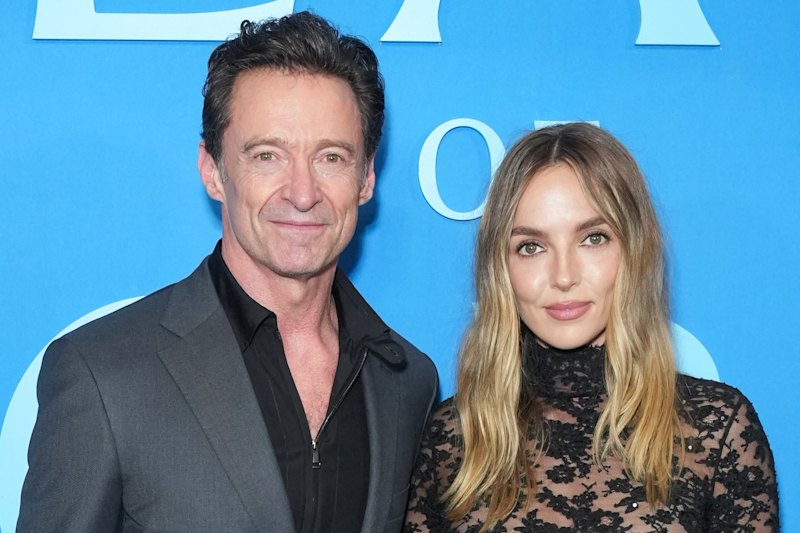
Actors often shape-shift between roles, but Jackman, at 57, still embodies the heroic spirit of Robin Hood more than the monstrous outlaw he plays in The Death of Robin Hood. The film follows a weary Robin Hood, who is gravely injured and taken in by a benevolent prioress, Sister Brigid, played by Jodie Comer. There, he meets an enigmatic leper and a traumatised girl named Little Margaret.
This version of Robin Hood is far removed from the swashbuckling hero made famous by Errol Flynn in The Adventures of Robin Hood (1938). It does not include the classic elements of robbing the rich and giving to the poor, nor does it feature Maid Marian or a band of merry men. Instead, it focuses on the pain and suffering of a man whose fierceness is most similar to his ageing Wolverine in Logan (2017).
The Vision Behind the Film
The film was written and directed by Michael Sarnoski, known for Pig (2021) and A Quiet Place: Day One (2024). Sarnoski believes that the legend of Robin Hood has been shaped over time, and while there may never have been a real Robin Hood, the stories have persisted through oral traditions and early ballads.
Sarnoski’s inspiration for the film goes back to his childhood. His headmaster gave him a 1940s edition of Robin Hood after his father passed away when he was nine. He had always loved watching Disney’s animated Robin Hood (1973) with his father, and this gift became a symbol of their bond.
“The story of Robin’s death at the hands of a prioress left a vivid impression on me,” Sarnoski explains. “I knew that if I ever made a Robin Hood movie, it would probably be about that story.”
A Different Approach to the Legend
For Sarnoski, this version of Robin Hood feels more truthful about life in the 13th century than the traditional account. Jackman, on the other hand, couldn’t remember ever being offered the chance to play the heroic Robin Hood. He describes his experience with the script as “unavoidable” and was drawn in by the ending, which took a meditative and human approach.
Jackman also found the connection between his character and Jodie Comer’s character particularly compelling. They had previously worked together on a “dance bootcamp” for a film that never came to fruition, where they were set to play Fred Astaire and Ginger Rogers.
A Brutal Opening and Realistic Violence
The film opens with a bloodthirsty action sequence that is far from the traditional swashbuckling style. Jackman admits that the action sequences were physically exhausting, with a foot of mud, winter conditions in Ireland, and a challenging set. However, he found the experience rewarding.
The hair and make-up team, Sean Flanigan and Pamela Westmore, created the grizzled look for Jackman’s character. They experimented with ideas in the trailer of Song Sung Blue, aiming for a hermit-like appearance that could transform as the story progresses.
Flanigan’s initial reaction to the look was, “hello, hot Santa.”
A Risky Direction for the Story
Sarnoski acknowledges that the brutal opening may alienate some viewers expecting a fun, action-adventure film. He wants to make it clear that the violence is portrayed realistically and should feel unpleasant to watch.
“We need to set that up for Robin’s character,” Sarnoski says. “He came from a brutal world. His life was filled with violence. That’s what he’s grappling with for the rest of the movie. It had to be like ‘we’re landing the violence and we’re going to land the meditative side.’ Both co-exist through this character in an honest way.”
The Evolution of the Legend
Sarnoski also points out that the film explores the stories we tell ourselves about ourselves and others. He believes that characters like Robin Hood or Ned Kelly in Australia serve as important figures in our cultural narratives.
“Originally, Robin was just an out-and-out bad guy,” Jackman says. “But the character morphed as times changed, and the idea took hold that maybe the royalty and the landed aristocracy weren’t such good guys. All of a sudden, this outlaw bad guy cautionary tale becomes this folk hero who steals from the rich and gives to the poor.”
Final Thoughts
The Death of Robin Hood opens in cinemas on June 18. With its unique take on the legend and powerful performances, it promises to be a thought-provoking and emotionally charged film.