Alarming Rise in Refusal of Essential Newborn Care Sparks Concern Among Australian Medical Professionals
Across Australia, a worrying trend is emerging, mirroring concerns voiced by medical professionals in the United States: parents are increasingly refusing routine, life-saving medical interventions for their newborns. What was once considered standard practice, like the vitamin K injection, is now being met with hesitation and outright refusal, leaving paediatricians and neonatologists deeply concerned about the potential consequences for vulnerable infants.
This growing scepticism, fuelled by a tide of misinformation and a broader distrust in established institutions, is extending beyond childhood vaccinations to other critical preventive measures. Medical experts are witnessing a significant uptick in parents declining treatments that have been proven safe and effective for decades.
The Vitamin K Dilemma: A Simple Shot, A Serious Risk
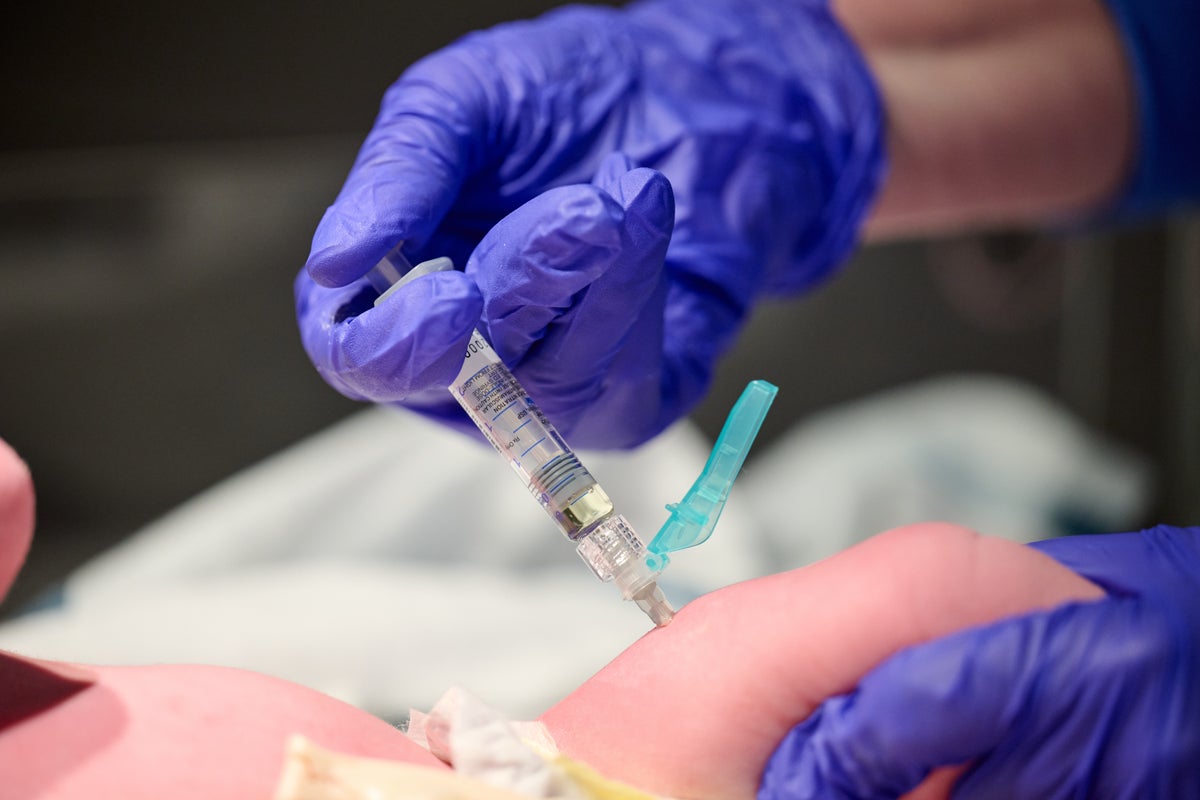
One of the most stark examples of this trend is the refusal of vitamin K injections for newborns. This simple, quick injection, administered since 1961, is crucial for preventing a potentially devastating condition known as vitamin K deficiency bleeding (VKDB). Babies are born with naturally low levels of vitamin K, a vital nutrient for blood clotting. Their immature digestive systems are unable to produce sufficient amounts until they begin consuming solid foods around six months of age.
Without this protective shot, infants are at a significantly higher risk of spontaneous bleeding, which can manifest in various ways, including bleeding into the brain – a complication that can lead to severe developmental delays, seizures, and even death.
A paediatrician reviews medical charts in a hospital.
While VKDB was once a relatively common occurrence, the widespread administration of vitamin K injections has made it exceedingly rare. However, a recent analysis of millions of births in the US, published in the Journal of the American Medical Association (JAMA), revealed a near doubling of vitamin K shot refusals between 2017 and 2024, climbing from 2.9% to 5.2%. Anecdotal evidence from Australian hospitals suggests a similar, albeit less extensively documented, pattern is emerging.
Dr. Tom Patterson, a pediatrician with nearly three decades of experience, expressed his profound worry: “When you look at a child who’s innocent and vulnerable — and a simple intervention that’s been done since 1961 is refused — knowing that baby’s going out into the world is super worrisome to me.”
Beyond Vitamin K: A Cascade of Refusals
The refusal of vitamin K injections is often not an isolated decision. Research indicates that parents who decline this vital shot are substantially more likely to also refuse other essential newborn treatments. These include:
- Hepatitis B Vaccine: This vaccine protects newborns from a serious liver disease that can lead to liver failure, cancer, or cirrhosis later in life. Rates of this vaccination at birth have seen a decline in recent years in some regions.
- Eye Ointment: A simple application of antibiotic eye ointment (often erythromycin) is administered to prevent infections, such as those caused by gonorrhoea contracted during birth. Untreated, these infections can lead to severe vision impairment or blindness. Doctors are reporting an increase in parents declining this medication.
This interconnectedness of refusals is a significant concern. It suggests a broader underlying hesitancy towards medical interventions, rather than an isolated concern about a single procedure.
The Roots of Distrust: Misinformation and “Natural” Ideals
Several factors are contributing to this alarming trend. Medical professionals point to the pervasive influence of social media, where unsubstantiated claims and conspiracy theories about medical treatments can spread like wildfire. These platforms often question the advice of doctors and promote unproven or even harmful alternatives.
A common thread weaving through anti-vaccine sentiments and growing hesitancy towards other newborn protections is the flawed notion that “natural” is always superior to “artificial.” Dr. David Hill, a pediatrician and researcher, articulates this fallacy: “Nature will allow 1 in 5 human infants to die in the first year of life, which is why generations of scientists and doctors have worked to bring that number way, way down.”
Furthermore, a general erosion of trust in scientific expertise and public health institutions plays a significant role. Political rhetoric and the amplification of anti-science narratives have created an environment where established medical consensus is increasingly challenged.
Dr. Kelly Wade, a neonatologist, noted, “I do think these families care deeply about their infants. But I hear from families that it’s hard to make decisions right now because they’re hearing conflicting information.”
The Consequences of Refusal: Real-Life Impacts
The implications of these refusals are not theoretical. Medical professionals are encountering tragic outcomes firsthand. Dr. Hill shared the case of a toddler whose parents had opted against the vitamin K shot. The child suffered a stroke as a newborn, resulting in severe developmental delays and ongoing seizures. In Idaho, paediatricians reported eight deaths from VKDB in the state over a 13-month period, a stark reminder of the preventable nature of such tragedies.
Even in cases where the mother is tested for infections like gonorrhoea and hepatitis B during pregnancy, no test is foolproof. Infections can be contracted after testing, or a false negative can occur, still posing a risk to the newborn.
Navigating the Challenges: A Path Forward
Addressing this complex issue requires a multi-faceted approach. Medical professionals emphasize the importance of empathy and respect when discussing these sensitive topics with parents.
- Open Communication: Doctors are striving to create safe spaces for parents to voice their concerns and ask questions without judgment.
- Education and Information: Providing clear, evidence-based information about the benefits and risks of each intervention is crucial. Explaining why a particular treatment is recommended can be more effective than simply stating it is necessary.
- Addressing Specific Fears: Understanding and directly addressing individual parental anxieties, whether related to pain, side effects, or philosophical beliefs, can help build trust.
- Dispelling Myths: Actively debunking misinformation, particularly that spread on social media, is a vital role for healthcare providers.
Dr. Heather Felton, a pediatrician, highlights the impact of dedicated time: “It really helps that you can take that time and really listen and be able to provide some education.”
Ultimately, the goal is to ensure that all infants receive the best possible start in life. While the reasons behind parental hesitancy are varied and often stem from a genuine desire to protect their children, the medical community remains steadfast in its commitment to advocating for proven, life-saving interventions. As Dr. Patterson aptly puts it, “I end every discussion with parents with this: ‘Please understand at the end of the day, I’m passionate about this because I have the best interest of children in my mind and heart.’… But at the same time, I’m desperately saddened that we’re losing babies for no reason.” The challenge for Australia’s healthcare system is to find effective ways to bridge the gap of distrust and ensure that essential newborn care remains a universal standard.