Architect’s Bold Move: Taking On Trump’s Controversial White House Ballroom Project
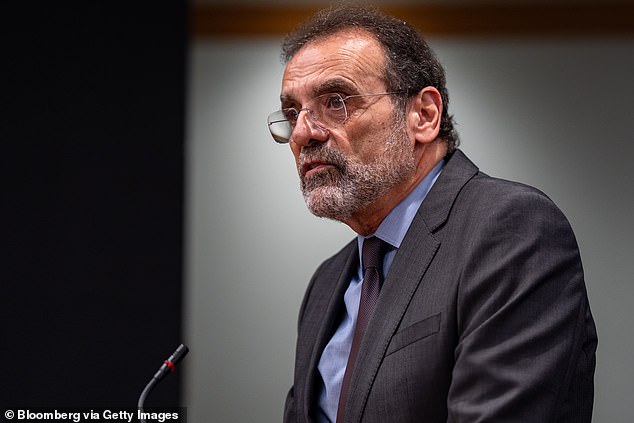
The world of architecture is abuzz with the decision of renowned architect Shalom Baranes, 75, to take on the highly contentious project of designing and building a new ballroom for President Trump’s White House. Announced in December, the privately funded $400 million, 90,000-square-foot expansion has already proven to be a challenging undertaking, leading many of Baranes’s peers to question his involvement.
Baranes is no stranger to high-profile construction in the nation’s capital. His extensive resume boasts significant projects, including the critical repairs to the Pentagon following the September 11th attacks and the modernisation of the Treasury Building. He has also been instrumental in the development of numerous offices and residences throughout Washington D.C. However, the White House ballroom project has been plagued by difficulties, including legal hurdles, objections from preservation societies, and the abrupt departure of its previous architect, James McCrery, due to irreconcilable disagreements with President Trump regarding the ballroom’s scale.
This history has led many in the architectural community to express bewilderment at Baranes’s willingness to step into such a high-stakes role. A collective letter penned by 29 architects voiced concerns that the proposed ballroom, projected to be roughly double the size of the White House’s main structure, would create an imbalance, likening it to “the tail wagging the dog.” The signatories urged Baranes to reconsider his commitment to the project.
Nancy MacWood, a prominent preservationist in Washington D.C., stated her complete bafflement as to why Baranes would undertake this task. Similarly, David Schwarz, a distinguished architect and longtime acquaintance of Baranes since their days at the Yale School of Architecture, expressed his confusion, remarking, “I don’t understand why he would put himself in such a hot seat right now.”
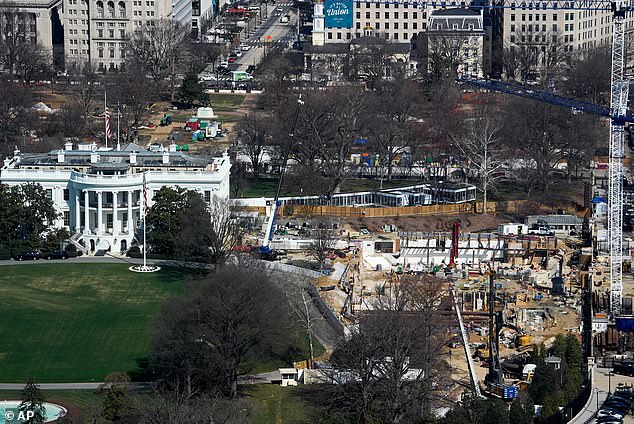
While the White House ballroom project undeniably presents significant risks, it also offers a unique opportunity for a lasting legacy. Major alterations to the iconic 1600 Pennsylvania Avenue have been infrequent, with only three significant additions in the past 115 years. Successfully completing the East Wing expansion could cement Baranes’s place in architectural history.
Rumours had circulated suggesting that Baranes’s firm might be experiencing financial difficulties, prompting his acceptance of the project. However, Baranes himself dismissed these speculations in a recent interview, stating unequivocally, “No, we’re not laying people off right now.” He made these comments from his $8 million Georgetown residence.
Bound by a non-disclosure agreement, Baranes has remained tight-lipped about the financial specifics of his involvement and the remuneration he expects for the project. He also refrained from directly addressing the widespread criticism surrounding President Trump’s decision to demolish the existing East Wing in October. Nevertheless, Baranes did touch upon past controversies he has encountered during his career in Washington D.C., particularly concerning construction within the historic Georgetown neighbourhood.
The appointment of Baranes to this particular project is viewed as somewhat paradoxical, given his personal history and past public stances. Baranes arrived in the United States in the 1950s as a young Jewish-Libyan refugee, fleeing antisemitic unrest in Tripoli following World War II. In a 2017 opinion piece for The Washington Post, Baranes openly criticised President Trump’s travel ban during the president’s first term, expressing his hope that the policy would be temporary, allowing individuals escaping persecution to find refuge, much like he did. The widening of these travel bans under the president’s subsequent administration, now including Libya, adds another layer of complexity to Baranes’s involvement.
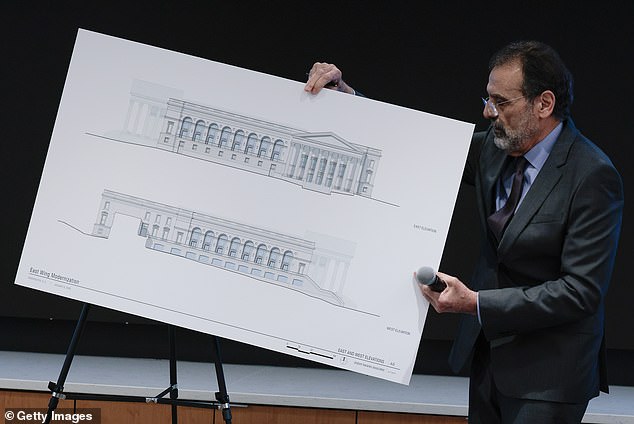
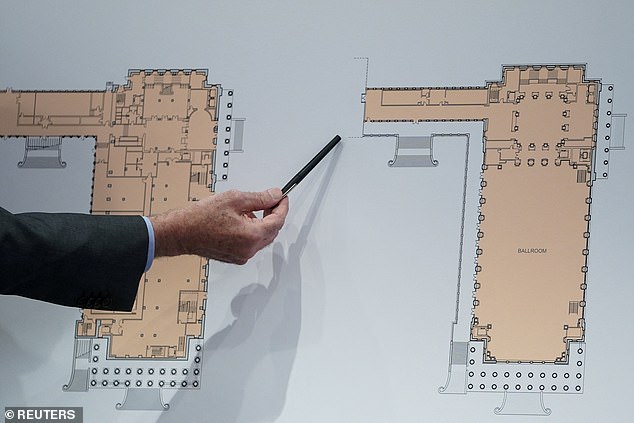
However, Baranes has also demonstrated a capacity for accommodating the ambitions of real estate developers, particularly when it involves expanding properties for increased profitability. This experience is directly relevant to the ballroom project, which has seen its capacity significantly increase. Initially planned to accommodate 650 guests, the revised plans now anticipate hosting at least 900. Baranes’s proven ability to navigate the demands of influential developers, a characteristic strongly associated with President Trump, is therefore considered a significant asset.
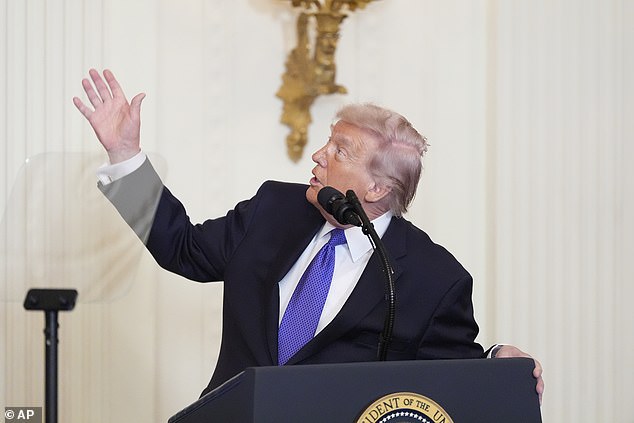
President Trump himself is deeply engaged in the ballroom project, reportedly holding regular meetings with Baranes. Initial reports suggest a cordial working relationship between the two. While a segment of Baranes’s professional circle has expressed reservations, others have voiced their support, believing him to be the ideal candidate for the job.
Richard Nash Gould, a New York-based architect and a known supporter of President Trump, who also has a history with Baranes from their Yale days, commented to The New York Times, “If I had to pick who would do this job, it would be Shalom.” When queried about Baranes’s motivation for taking on the project, Gould responded, “Why wouldn’t he? It’s an incredibly interesting job.”
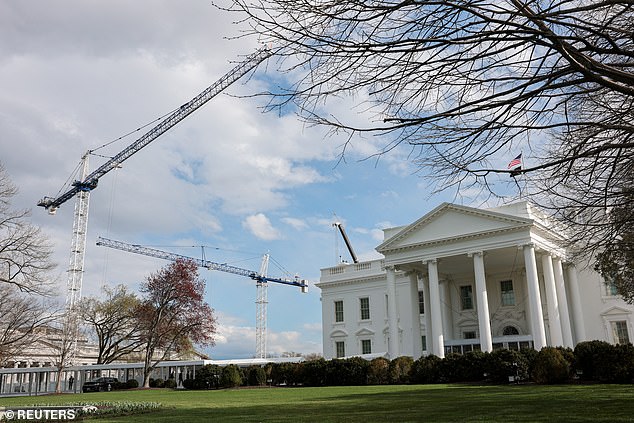
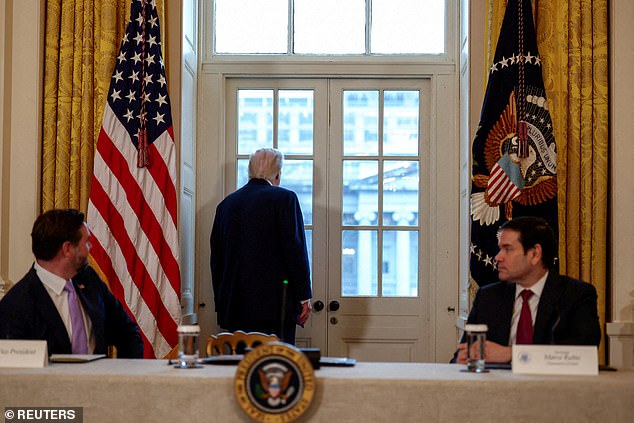
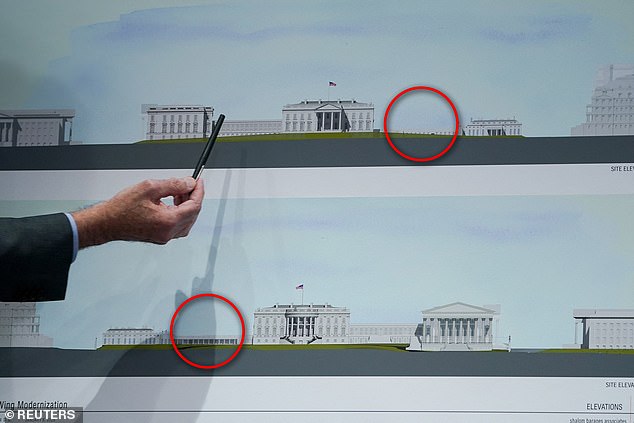
Some colleagues speculate that Baranes accepted the commission because he believed he could execute the project more effectively than his predecessor, McCrery. In January, Baranes informed the U.S. Commission of Fine Arts that while the ballroom would indeed accommodate approximately 1,000 guests, the current design is not the most expansive that President Trump had envisioned. Baranes’s latest architectural plans include the removal of a substantial pediment above the ballroom’s portico, a modification aimed at reducing its overall visual prominence.
Despite these adjustments, which have appeased some critics, the sheer scale of the ballroom continues to draw considerable opposition. Paul Goldberger, a former architecture critic for The New York Times, described the ballroom in an opinion piece as “a huge, dumb box.” He further suggested that, in essence, President Trump is the true designer of the addition, with Baranes’s contributions being largely nominal.