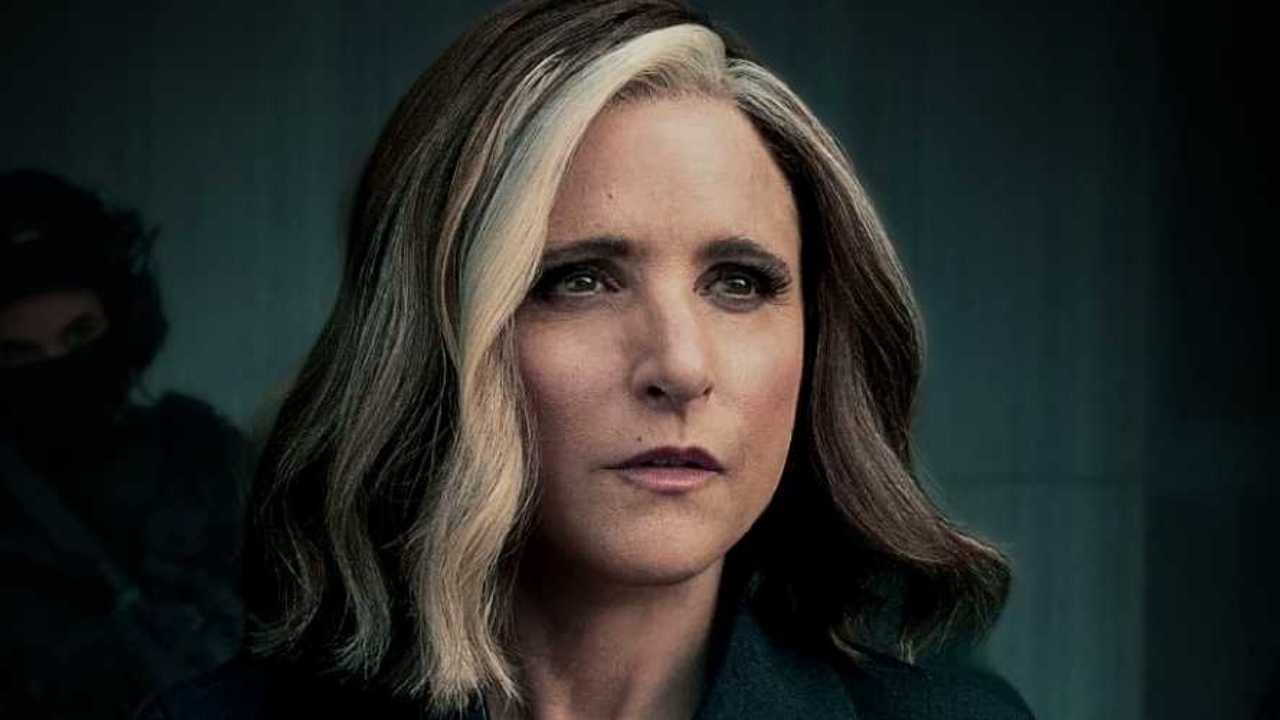
Daredevil: Born Again Season 2 Elevates the Stakes Beyond Hell’s Kitchen
The second season of ‘Daredevil: Born Again’ wastes no time in escalating its narrative, but not in the way one might initially expect. Instead of relying on overt cameos or direct crossovers, the season premiere opts for a more sophisticated approach, subtly weaving itself into the broader Marvel Cinematic Universe (MCU) through the intricate threads of power, politics, and influence. This connection isn’t immediately obvious; it’s a relationship that operates in the background. However, once recognised, it profoundly reshapes the viewer’s perception of the unfolding events in New York City.
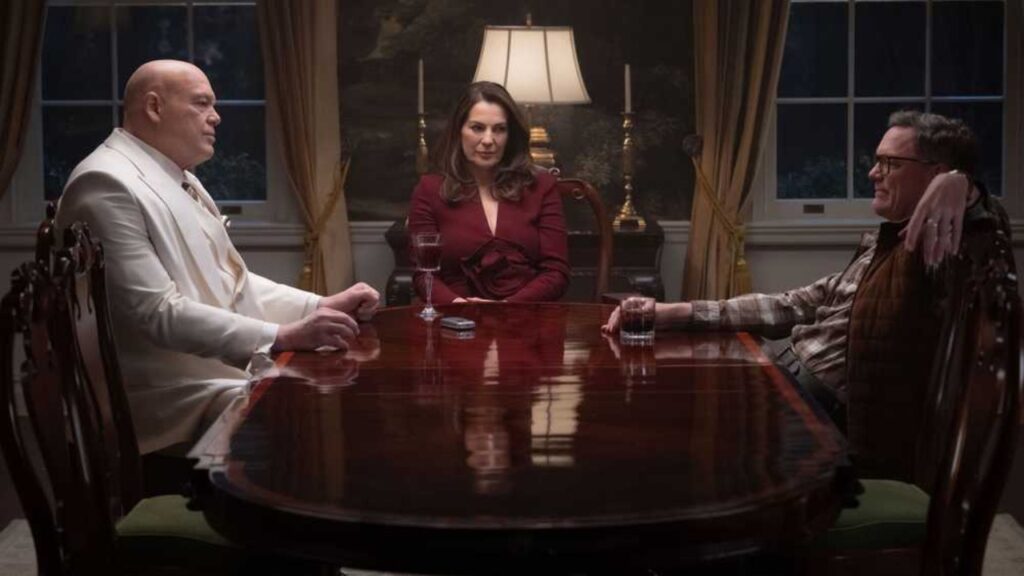
The season kicks off with a high-stakes scenario involving a grounded cargo ship laden with illicit weaponry. This incident introduces a new character, Mr. Charles, brought to life by Matthew Lillard. Initially, he appears to be a standard government operative tasked with managing a situation involving Mayor Wilson Fisk. Yet, the situation takes a significant turn, demonstrating that Mr. Charles is far more than he seems.
The crisis is resolved with a single, decisive phone call, and the authority behind that call belongs to none other than Valentina Allegra de Fontaine, portrayed by Julia Louis-Dreyfus. For those who have been diligently following the MCU’s trajectory, de Fontaine is already established as a pivotal figure, not merely a bureaucratic functionary. Her involvement is deeply felt in the formation of the New Avengers, a development that followed the events of ‘Thunderbolts*’. This understated reference does more than just connect the dots; it powerfully suggests that the machinations occurring within Fisk’s New York are not isolated incidents. Instead, they are part of a much larger, more meticulously orchestrated plan.
The Nexus of Street-Level Crime and Global Power Dynamics
This juxtaposition of the gritty reality of street-level crime with the far-reaching influence of global powers is precisely what makes this narrative evolution so captivating. Wilson Fisk has historically carved his empire as a kingpin deeply entrenched in the city’s underworld. However, the new season sees him interacting with entities that operate on an entirely different, more elevated plane. It is within this dynamic that the season’s central tension resides.
Mr. Charles exhibits no deference towards Fisk, a crucial detail that speaks volumes about the underlying power structures at play. He represents a system that not only governs cities but also manipulates narratives, dictates outcomes, and orchestrates unseen processes. While Fisk may be the ostensible ruler of New York, Valentina de Fontaine’s domain is the one pulling the invisible strings that dictate the larger game.
This development raises a compelling, albeit uncomfortable, question: Is Daredevil still fighting the right battles? When power operates on such a colossal scale, the efficacy of fists and vigilante justice begins to feel diminished. There’s a thrilling aspect to this shift, signalling that ‘Daredevil: Born Again’ is not content to remain within its established confines. The series is actively evolving, expanding its scope to a realm where the intimate struggles of street-level heroes collide with the expansive stakes of global power plays. This expansion hints at a more complex and challenging future for the Man Without Fear, forcing him and his allies to confront adversaries operating on a scale they may not be fully prepared for. The implications for the future of Hell’s Kitchen and its defenders are immense, suggesting a dramatic redefinition of what it means to be a hero in an increasingly interconnected and manipulated world.