Independent Schools Face Closures Amidst VAT Policy Impact
A significant wave of closures has swept through the independent school sector, with 105 institutions shutting their doors and impacting the education of approximately 25,000 children. This stark reality was brought to light by Julie Robinson, the leader of the independent schools sector, on the first anniversary of a controversial policy change that introduced Value Added Tax (VAT) on school fees.
Robinson, who serves as the chief executive of the Independent Schools Council, has painted a concerning picture for the future, warning of further difficulties in 2026. She characterized the ongoing policy as an “ideological class war” against private education.
“We are likely to see further closures over the coming months and years as the effects of VAT and other tax measures mount up,” Robinson stated. “While there is a combination of factors contributing to school closures, we know that there are some for whom the Government’s decision to tax education is a bridge too far.”
The reported figure of 105 closures includes 15 schools that have merged with other institutions. The financial strain is not confined to smaller establishments; even some of the nation’s most renowned independent schools have experienced significant financial challenges.
Marlborough College, an institution notably attended by the Princess of Wales, has reportedly resorted to measures such as turning off heating during holiday periods to manage costs, according to a staff member who requested anonymity.
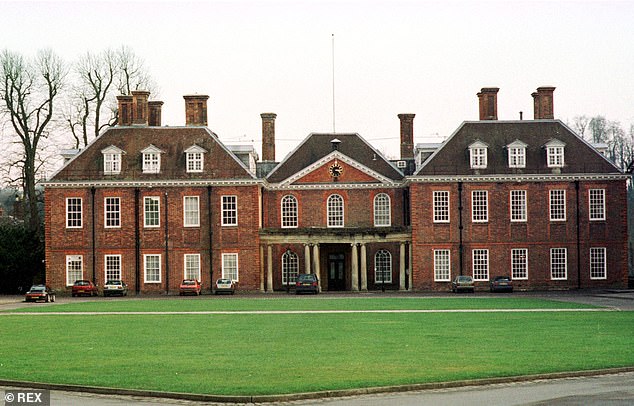

This prestigious school in Wiltshire, which also faces speculation as a potential destination for Prince George, charges fees of up to £61,800 per year. Despite its elite status, Marlborough College has been compelled to discontinue its annual summer school, a program that had been running for 50 years. The decision was attributed to financial pressures, including the newly imposed VAT on fees.
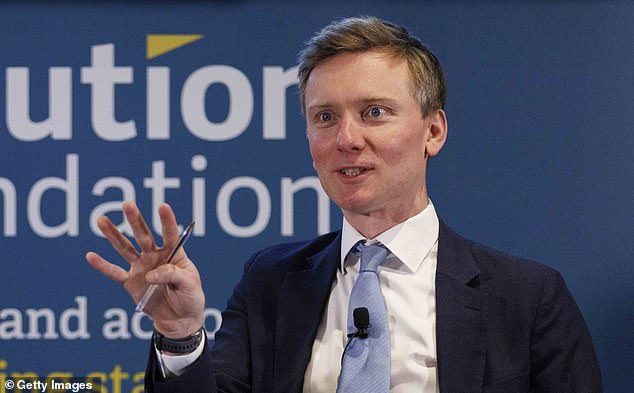
The current figures stand in stark contrast to the initial projections made by the governing party, which did not anticipate any school closures as a direct result of the policy. It was only in March of the previous year, after a dozen schools had already ceased operations, that a government minister acknowledged the policy’s potential consequences. At that time, Treasury Minister Torsten Bell suggested that approximately 100 schools “could close over three years.”
The government’s original estimate projected that a mere 3% of pupils in the private sector, equating to around 18,000 children, would transition to state schools.
While many schools in the northern and midland regions of the country have been forced to close, a significant portion of the closures, nearly one in five (19 schools), have occurred in London and its surrounding areas.
Several London-based institutions have cited the introduction of VAT on fees as the direct cause of their inability to remain operational. These include:
- Park Hill School in Kingston
- Falcons School in Putney
- The Old Palace of John Whitgift School in Croydon, South London
- Ursuline Prep in Ilford, East London
- London Acorn in Morden, South West London
More recent casualties include The Cedars School in Croydon, an all-boys senior school that closed in September, and Oak Heights, a co-educational senior school in Hounslow, West London, which shut its doors in October.
Other high-profile institutions to have closed include Queen Margaret’s School for Girls in York, which ceased operations last summer. The governors of this esteemed school, established in 1901, stated that they had been “unable to withstand mounting financial pressures.”
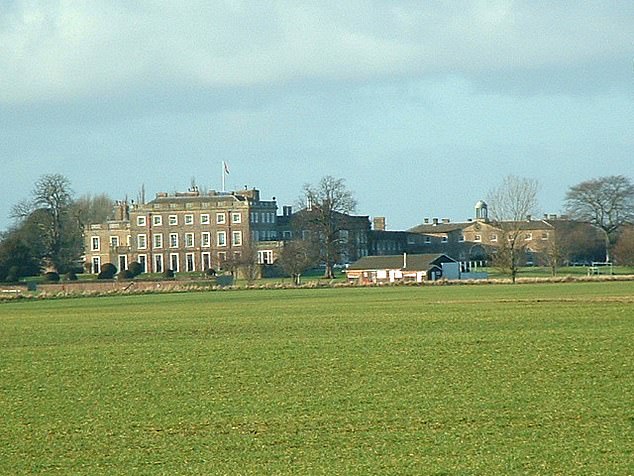
Further afield, closures have affected institutions such as Carrdus School in Banbury, which is owned by the prominent girls’ school Tudor Hall, and Maidwell Hall in Northamptonshire, an alma mater of figures like Earl Spencer.
In December, The Meadows Montessori in Ipswich, catering to children aged three to 16, announced its closure. Headteacher Sam Sims attributed the decision to “financial pressures,” specifically mentioning “targeted measures towards independent schools” such as the VAT levied on school fees.
A government spokesperson commented on the situation, stating: “This manufactured crisis of pupils leaving the private sector and putting pressure on the state system has failed to materialise. Ending tax breaks for private schools will raise £1.8 billion a year by 2029/30 to help fund public services, including supporting the 94 per cent of children in state schools, to help ensure excellence everywhere for every child.”