T20 World Cup Shocker: Co-hosts Stumble as Bizarre Dismissal Makes History
The T20 Cricket World Cup has delivered a dramatic Sunday night, with both co-hosts India and Sri Lanka succumbing to significant defeats in their Super 8 fixtures. Adding to the intrigue, a rare and peculiar mode of dismissal, one that has graced the history books of men’s T20 World Cups only a handful of times, made a surprising reappearance.
Sri Lanka’s Woes and a Rare Hit-Wicket
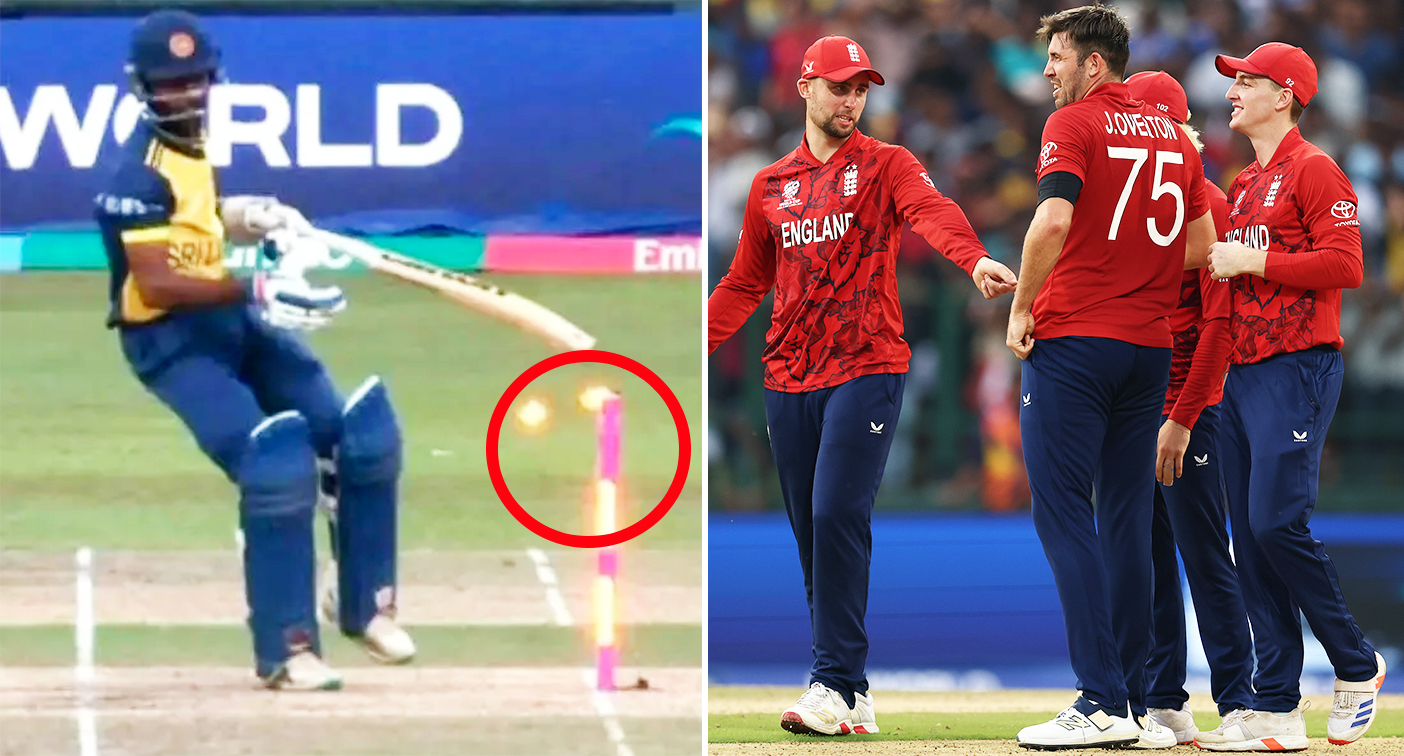
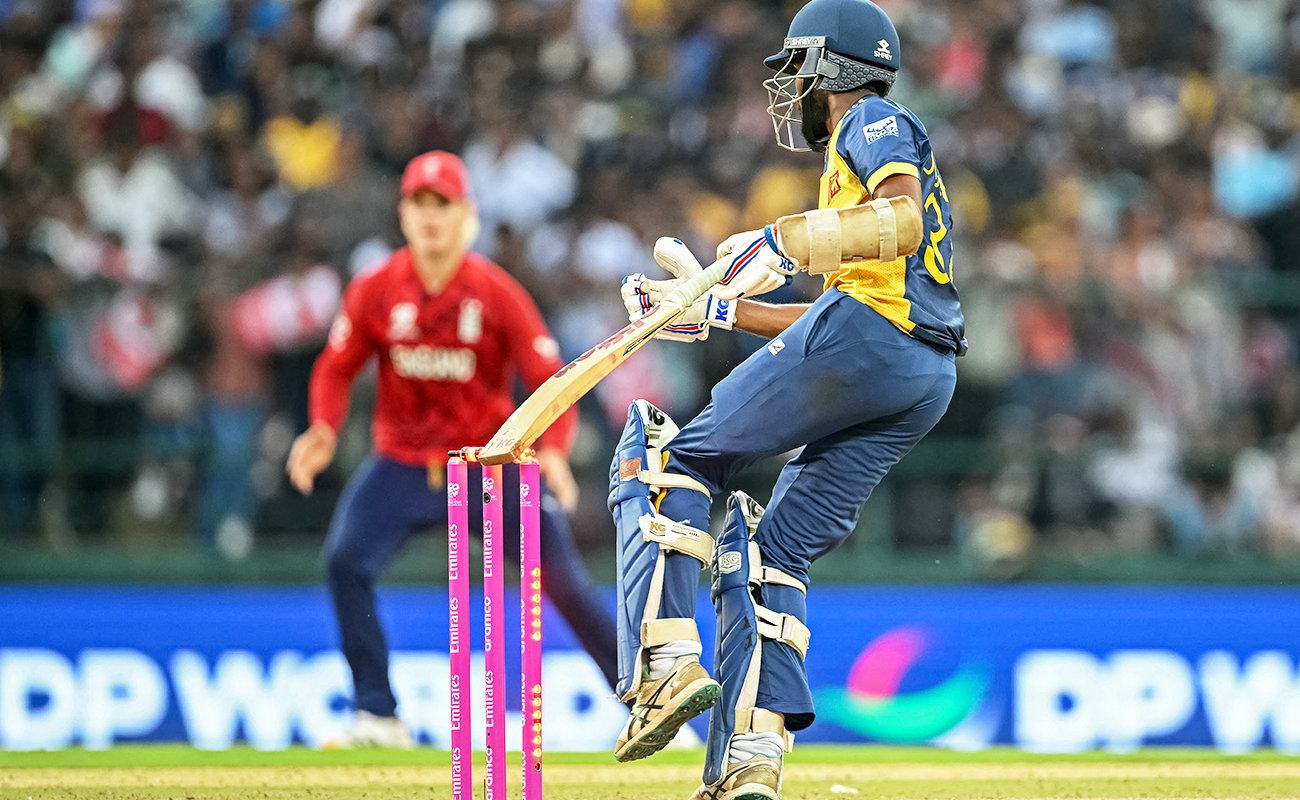
In Pallekele, Sri Lanka faced a formidable England outfit and ultimately crashed to a 51-run defeat. The match was notable for a dismissal that left onlookers stunned and history buffs scrambling for records. Sri Lankan spinner Dushan Hemantha became the latest victim of a “hit-wicket” dismissal, a scenario where a batter inadvertently dislodges their own bails with their bat or body while playing a shot.
The incident unfolded as Hemantha attempted to swivel and negotiate a delivery from England’s Jamie Overton. In his effort to connect with the ball, Hemantha lost control of his bat, which then made unfortunate contact with the stumps, sending the bails flying. The agony on his face was palpable as he watched his own demise.
This particular mode of dismissal is incredibly uncommon. Hemantha’s unfortunate dismissal marked only the sixth instance of a hit-wicket in the entire history of men’s T20 World Cups. What made this event even more astonishing was that it was the third time this specific dismissal had occurred within this T20 World Cup alone, highlighting an unusual trend in the tournament.
The hit-wicket brought Sri Lanka to a precarious 7-69, and the team struggled to recover. They were eventually bowled out for a meagre 95 runs, falling well short of England’s target of 147. England’s dominance was evident from early on, with off-spinner Will Jacks claiming three crucial wickets within the powerplay. This victory extended England’s impressive winning streak against Sri Lanka in T20 internationals to a remarkable 12 consecutive matches. England’s innings had been anchored by Phil Salt, who top-scored with a brisk 62 off 40 balls, while Jacks himself chipped in with a quick-fire 21, featuring four boundaries, in the latter stages of their innings.
South Africa Dents India’s Dominance
Meanwhile, in a high-stakes Super 8 clash, the defending champions India suffered a significant blow, going down to South Africa by a commanding 76-run margin. India, who had been on an imposing 12-match winning streak in the tournament since their triumph in the previous T20 World Cup, saw their momentum abruptly halted.
South Africa posted a formidable total of 7-187 in their allotted 20 overs. The Indian batting lineup, usually a formidable force, was then skittled out for just 111. The architects of India’s downfall were their bowlers, particularly left-arm paceman Marco Jansen, who wreaked havoc with figures of 4-22 in just 3.5 overs. Earlier in the innings, David Miller provided the crucial impetus for South Africa, smashing a blistering 63 off 35 balls, a knock punctuated by seven fours and three towering sixes.
Reflecting on the performance, South African captain Aiden Markram praised his team’s adaptability. “Great performance,” Markram stated. “Very different type of wicket to what we’ve had here, so great to see the boys assess that pretty early and adapt their skills to execute their plans. We’re really pumped for the bowling group. They’ve been working hard, started the comp a bit tough, but the way they rocked up tonight was a great effort.”
India’s captain, Suryakumar Yadav, acknowledged the team’s bowling effort but pointed to their batting as the area for improvement. “We bowled really well, but we could have batted a little better,” Yadav commented. “Sometimes you’ve got to think, if you’re chasing 180-185, you can’t win the game in the power play, but you might lose it. We lost too many wickets in the power play.” This defeat undoubtedly raises questions for the Indian team as they navigate the crucial Super 8 stage.