A Celestial Spectacle: Nearly All Planets to Grace Australian Skies
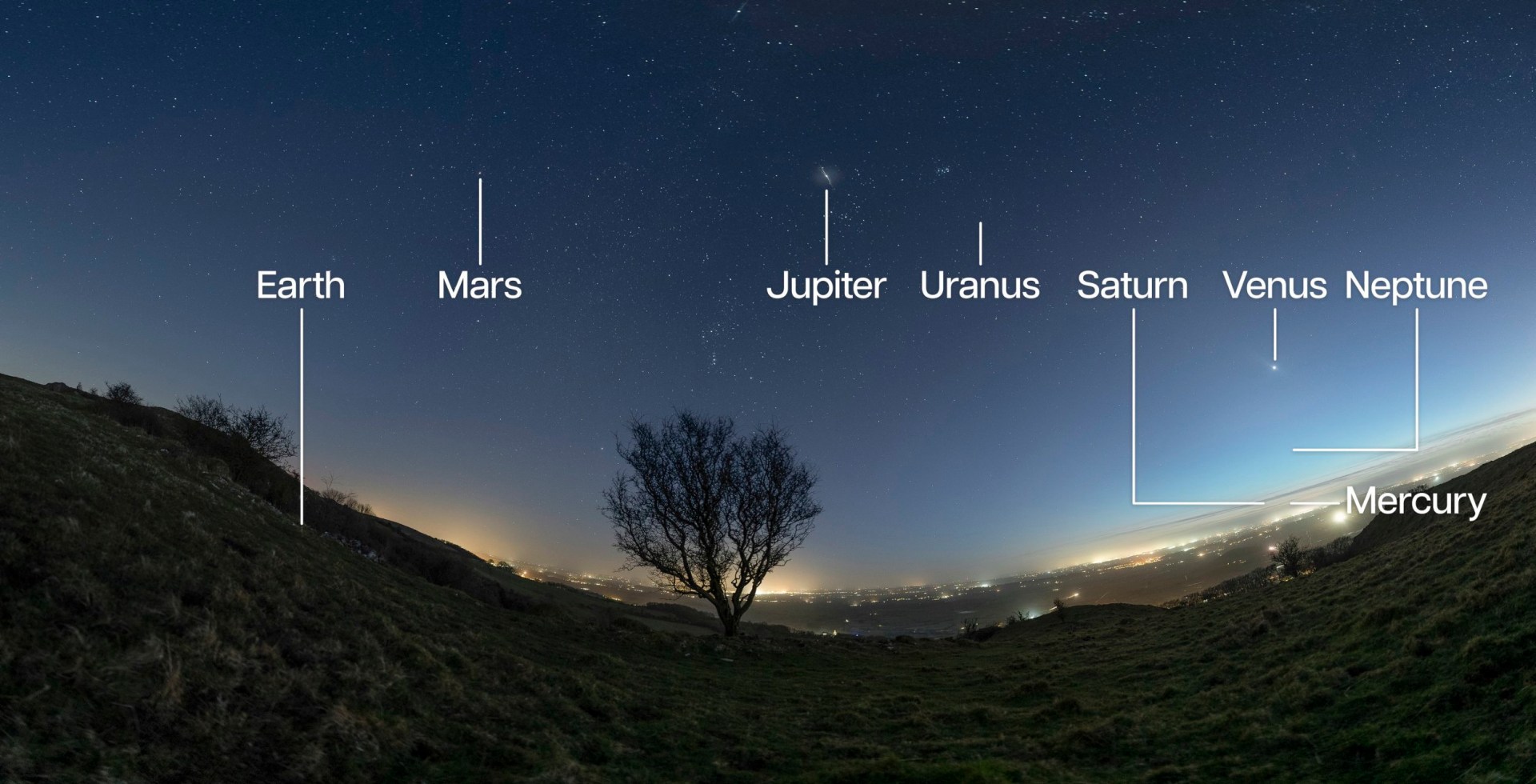
Get ready, Australia, because a truly remarkable astronomical event is on the horizon. This coming weekend, a dazzling display will unfold as almost every planet in our solar system lines up to put on a show in the night sky. From Saturday evening onwards, Mercury, Venus, Mars, Jupiter, Saturn, Uranus, and Neptune will all be visible simultaneously after sunset, offering a rare glimpse of our cosmic neighbours.
While keen observers might have already caught sight of six of these celestial wanderers in late January or early February, the elusive Mercury is now joining the lineup, shuffling into view to complete the impressive ensemble. This grand alignment is known as a planetary parade, and it presents a fantastic opportunity for Australians to connect with the vastness of space.
Dr. David Armstrong, an associate professor in astronomy at the University of Warwick, highlights the significance of such events. “For me, the joy is connecting all the abstract knowledge we have of the solar system to something you can see with your own eyes,” he explains. This weekend’s parade is one of the few chances in the near future to witness so many planets together, a sight that Dr. Armstrong himself marvelled at last year.
Understanding the ‘Planetary Parade’ Phenomenon
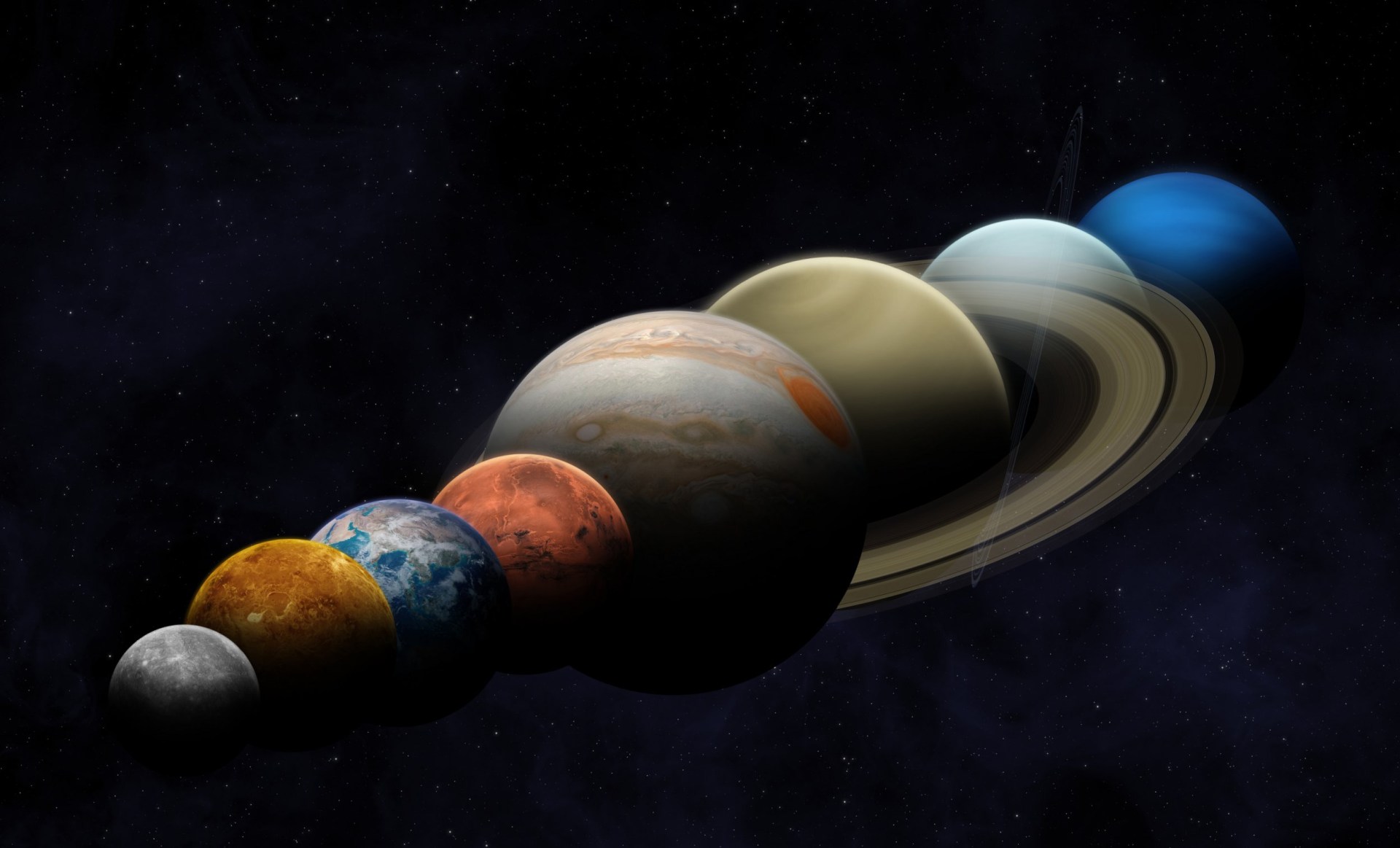
But why do these planetary parades happen? It’s not just a random cosmic coincidence. Our solar system, Dr. Armstrong explains, can be visualised as a vast, flat disc. Billions of years ago, what was once a chaotic cloud of cosmic dust and gas coalesced and began to spin. This spinning motion flattened the material, much like a pizza dough being tossed, and it was within this flattened plane that all the planets eventually formed.
This fundamental structure means that, from our perspective on Earth, the planets appear to travel along a similar path in the sky. This path is known as the ecliptic. For a planetary parade to occur, we simply need to be fortunate enough that a significant number of planets are positioned on the same side of the sun at the same time. This can be a challenging feat, especially considering the outer planets, like Neptune and Uranus, can take decades, or even centuries, to complete their orbits around the sun.
Spotting the Planets: What You Can See with the Naked Eye
When the planets align, you might be surprised at how many you can spot without any special equipment. With the unaided eye, four of these worlds will be readily visible, marching across the twilight sky.
- Jupiter, Saturn, and Venus: These will be the easiest to identify, appearing as bright, distinct points of light. Venus, in particular, is known for its spectacular brilliance, often dazzling observers and sometimes being mistaken for an aircraft’s navigation lights or a satellite.
- Mercury: This innermost planet can be a bit trickier. It will appear close to Venus, but its proximity to the horizon and the lingering glow of the setting sun can make it challenging to spot. Patience and a clear view of the western horizon are key.
Unfortunately, Neptune and Uranus are simply too distant to be seen with the naked eye. Dr. Armstrong notes that if you are attempting to locate Neptune, it will appear very close to Saturn in the sky.
For those equipped with binoculars or a telescope, the viewing possibilities expand significantly. With a bit of magnification, you might be able to discern four of Jupiter’s Galilean moons and even catch a glimpse of Saturn’s magnificent rings.
If you’re having trouble pinpointing Jupiter, orient yourself by looking towards the constellation Gemini. Jupiter will present itself as a steady, whitish dot. The iconic three stars of Orion’s Belt can serve as a celestial guide; they will be located roughly halfway between the other visible planets and the gas giant Jupiter. Tracing upwards from Orion’s Belt will lead you towards Uranus, which will be situated just below the Pleiades star cluster, within the constellation Taurus.
Timing is Everything: When to Witness the Celestial Spectacle
The optimal time to catch this planetary parade will vary slightly across the globe, but Australia is well-positioned for a prime viewing experience on Saturday night. The best window to observe the alignment will be approximately 30 minutes after sunset. It’s crucial to find a location with minimal light pollution and an unobstructed view of the western horizon.
For those eager to enhance their stargazing experience, a wealth of resources is available. Many astronomers recommend using mobile applications such as Stellarium or Star Walk. These interactive tools allow you to point your smartphone camera at the sky, and the app will identify celestial objects in real-time, making it easier to locate the planets and constellations.
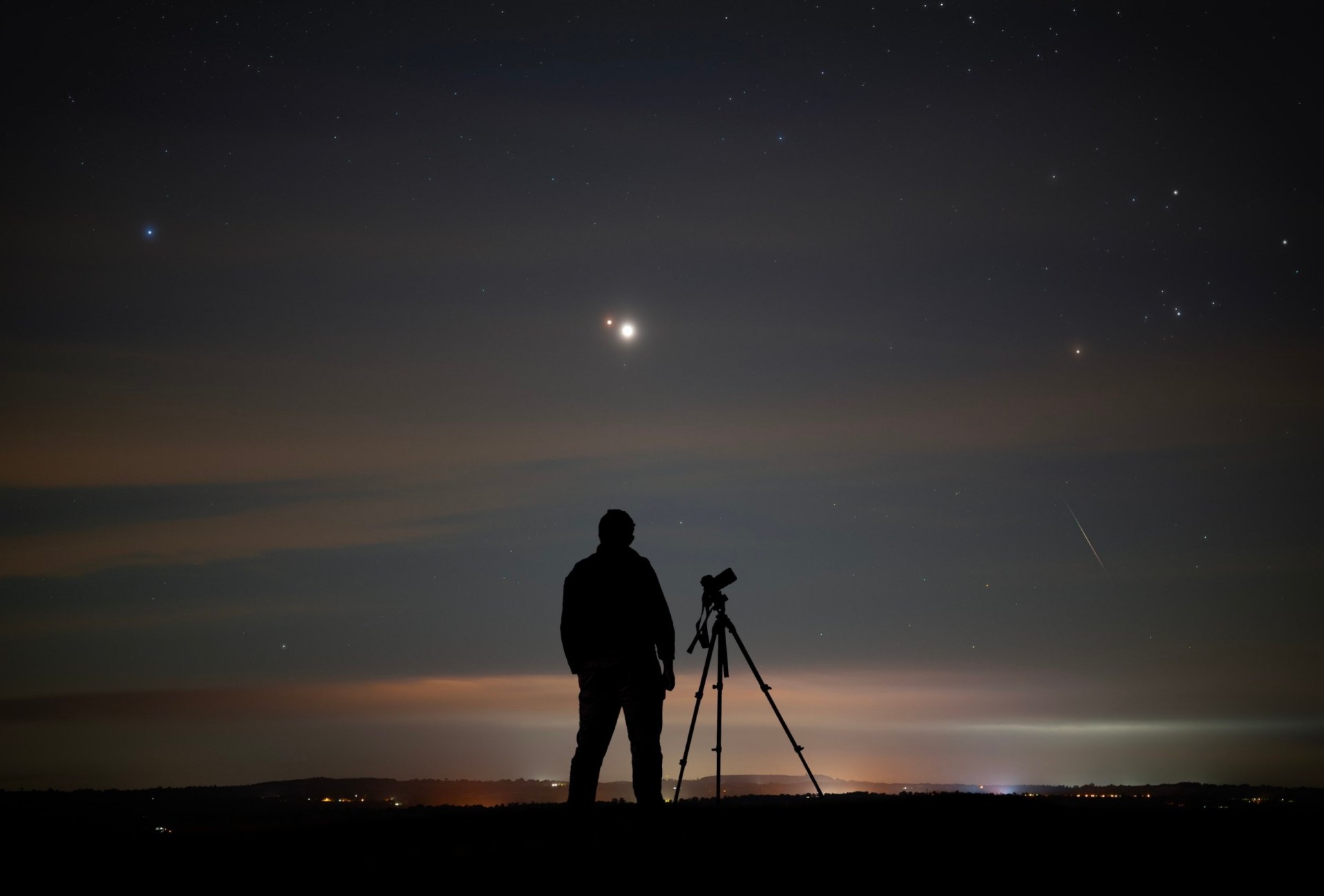
When searching for the darkest skies, websites like the aptly named ‘Light Pollution Map’ can be invaluable in helping you identify areas with the least artificial light interference.
The Next Encore: When is the Next Planetary Parade?
While seeing four planets with the naked eye is a relatively common occurrence, happening every few years, a parade featuring nearly all of them is a more significant event. For those who miss this particular spectacle, or simply wish to witness more, there are several other planetary parades scheduled for this year. While exact dates can fluctuate slightly based on local conditions, here’s a general guide:
- April 18: Expect to see Saturn, Mars, Mercury, and Neptune.
- June 12: This alignment will feature Mercury, Jupiter, and Venus.
- August 12: A more extensive parade is anticipated with Jupiter, Mercury, Mars, Uranus, Saturn, and Neptune.
- November 14: Look out for Mercury, Venus, Mars, and Jupiter.
Dr. Armstrong acknowledges that these events aren’t necessarily “once-in-a-lifetime” occurrences, but they undeniably provide a compelling reason to step outside and marvel at the wonders of the cosmos. “It really brings home that the Earth sits in a wider context of planets around us, and how even the earliest humans would have been able to see these events,” he reflects.
For an alignment featuring every single planet in our solar system simultaneously, you’ll need to mark your calendars for a very distant date: May 19, 2161. That’s one for the history books!
Beyond the Planets: Other Celestial Events on the Horizon
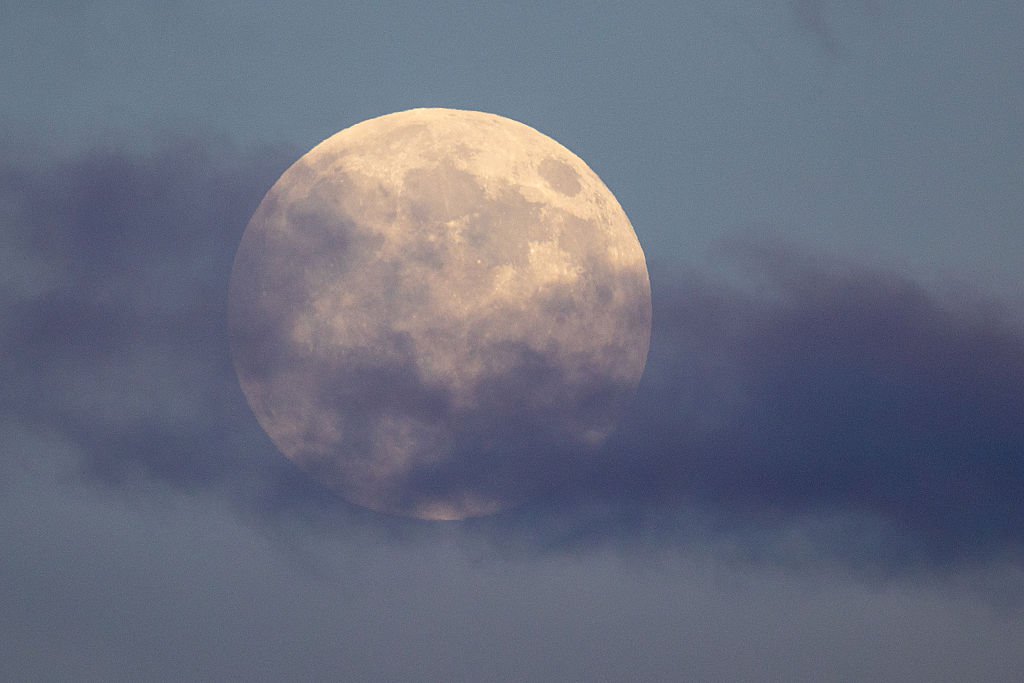
The night sky offers a constant stream of wonders, and 2024 is no exception. Beyond the planetary parades, a variety of spectacular full moons will grace our skies throughout the year. Several of these will be ‘supermoons,’ appearing larger and brighter than typical full moons:
- March 1: Worm Moon
- April 1: Pink Moon
- May 1: Flower Moon
- May 31: Blue Moon
- June 30: Strawberry Moon
- July 29: Buck Moon
- August 28: Sturgeon Moon
- September 26: Harvest Moon
- October 25: Beaver Moon (supermoon)
- December 23: Cold Moon (supermoon)
These celestial events serve as beautiful reminders of our place in the universe and offer endless opportunities for discovery and awe. So, grab your binoculars, find a clear spot, and prepare to be mesmerised by the cosmic dance above.