The Silent Struggle: When Supermarket Self-Checkouts Become a Barrier
For many, the allure of the supermarket self-checkout is speed and convenience. However, for a growing number of Australians, particularly those with disabilities, these seemingly simple machines are creating significant hurdles, preventing them from completing essential tasks like their weekly grocery shop. This isn’t just a minor inconvenience; it’s a systemic issue of inaccessibility that leaves many feeling excluded and frustrated.
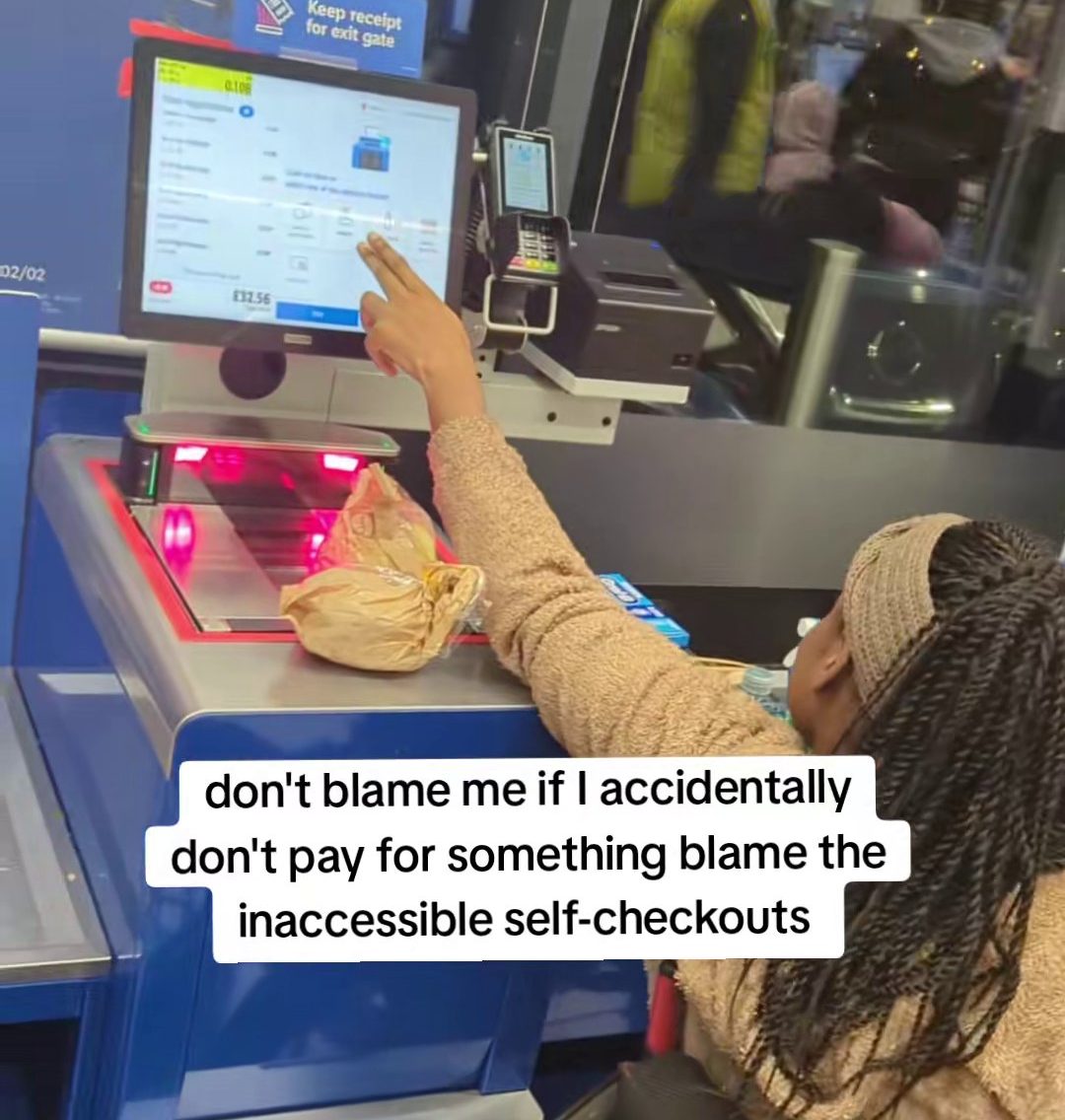
Toyin Fabusiwa, a 26-year-old who uses a wheelchair, recently shared her experience in a viral video, highlighting the daily challenges she faces. Her video, filmed at a popular supermarket chain in south London, captured her difficulty in navigating the self-checkout process. The core of her frustration lies in the fixed height of critical components, such as the card payment machines.
“Most times when I go out, I try to pay for things with self-checkout, and it’s quite hard to scan things because of the angle,” Toyin explained. The robotic voice prompting customers to “finish and pay” is often followed by the stark reality that the card machine is positioned too high for her to reach comfortably or effectively. This fundamental design flaw means that even a simple transaction can become a significant undertaking.
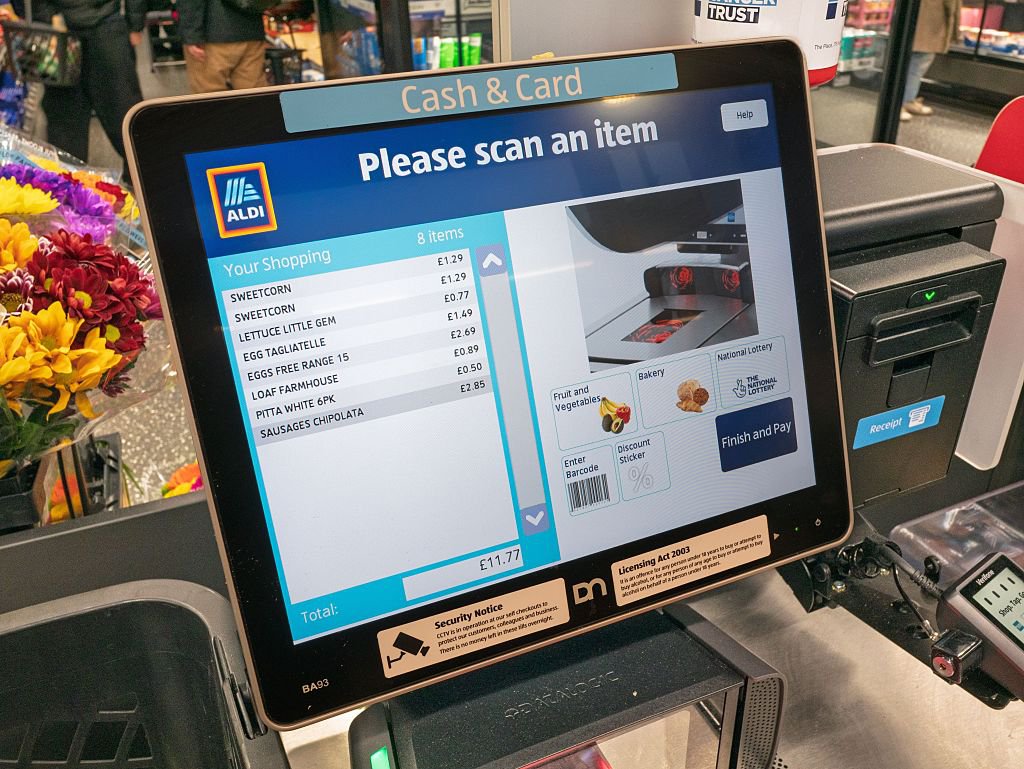
The issues extend beyond just payment. Interacting with the touch-screen monitors, whether to purchase a plastic carrier bag or to manually input an item without a barcode, like loose fruit and vegetables, presents similar accessibility problems. The fixed screen height and angled placement can make it difficult for wheelchair users to see and operate the controls.
While some supermarkets are known for their lightning-fast staffed checkouts, Toyin notes that the problem isn’t confined to self-service lanes. Even at manned checkouts, the payment terminals are often too high. “When it says, ‘insert PIN’, I can’t insert the PIN because the machine doesn’t come down, not just in Lidl, in other shops as well,” she stated. This means that even when assistance is available, the equipment itself can be a barrier.
The common suggestion from well-meaning online commenters to simply avoid self-checkouts often overlooks the reality for many disabled individuals. Toyin recounted a recent visit to a bakery where the card machine was again too high to see the keypad. When she politely asked if a movable machine could be provided, she was met with a disheartening “There’s nothing I can do about it.” This highlights a broader issue of insufficient training and awareness among some staff members regarding the needs of customers with disabilities.
Beyond the Checkout: Shelf Reach and Freezer Doors
The challenges for Toyin and others like her don’t end at the checkout. Reaching items on higher shelves is a perennial problem, as is the simple act of opening heavy freezer section doors. These are everyday tasks that most able-bodied shoppers take for granted but can be significant obstacles for individuals with mobility impairments.
Over the past three years, as Toyin has taken on more of her own shopping, these difficulties have become increasingly pronounced. She expressed concern about her future independence: “I do think about the future – what if I go shopping without my mum or sister, how am I going to access this? I go to the tills, the machine won’t come down, so I have to go home.” The reliance on others for basic necessities can be disempowering.
“Sometimes, I don’t want to have to ask for help,” Toyin admitted. “I should be able to do it myself. When an employee is dealing with 10 other people, I don’t want to be like, ‘Hey, can you help me?’” This desire for autonomy and the reluctance to place an additional burden on busy staff are common sentiments among those facing accessibility barriers.
The Rise of Self-Service and the Growing Exclusion
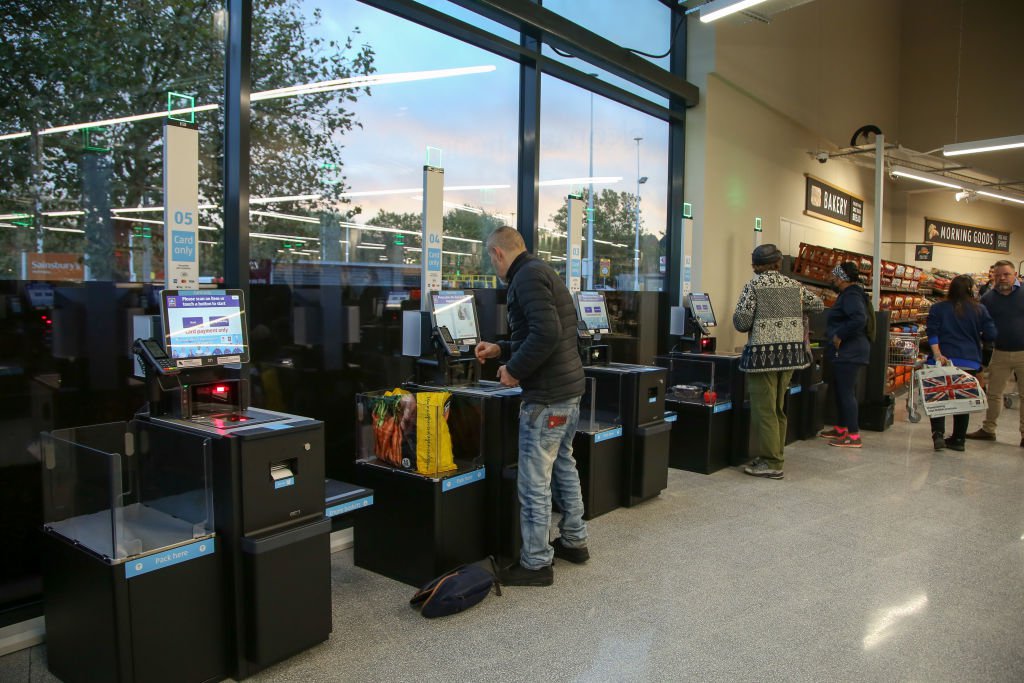
Self-checkouts have seen a dramatic increase in recent years. In the UK, for example, the number of self-service checkouts in supermarkets has risen significantly, with analytics platforms reporting a substantial jump between 2018 and 2023. This trend is mirrored globally, driven by a desire for efficiency and cost savings for retailers. Polls suggest that a majority of shoppers have used self-service tills and many even prefer them.
However, this technological shift has come at a cost for many. As Alison Kerry, head of communications at the charity Scope, pointed out, “This shows just how much our society and environment are set up in a way which excludes disabled people.” The experience of individuals like Toyin underscores the need for businesses to actively engage with disabled people during the design and implementation phases of new technologies.
“Disabled people come up against a multitude of barriers every day, from inaccessible places to discrimination and negative attitudes,” Kerry added. “We all need to work together to break down these barriers.”
A Growing Fatigue with Tech and a Call for Inclusivity
Interestingly, the push towards self-service technology isn’t universally embraced. Shoppers and even some supermarket executives are experiencing a growing fatigue with these machines. Some retailers have begun to phase them out, citing issues with reliability and customer experience.
Beyond the frustrations of “unexpected item in the bagging area” alerts, there’s a growing demand for more traditional, staffed checkouts. Shoppers, particularly those on low incomes and the elderly, are expressing a preference for cash transactions and the human interaction that staffed checkouts provide. A petition calling for a fair number of cash-accepting tills garnered tens of thousands of signatures, reflecting this broader dissatisfaction.

For Toyin, the solution isn’t to eliminate self-checkouts entirely. Instead, she advocates for simple, yet crucial, modifications. “We’re not asking for the world, just one or two accessible self-checkouts, or tools where the machine can go down,” she said. “Then I’d be able to shop independently and wouldn’t have to ask people for help.”
The current situation, where essential services like grocery shopping remain inaccessible for a significant portion of the population, is simply not good enough. As self-service technology continues to evolve, it’s imperative that accessibility is not an afterthought but a fundamental design principle. Only then can we ensure that all members of our community can participate fully and independently in everyday life.