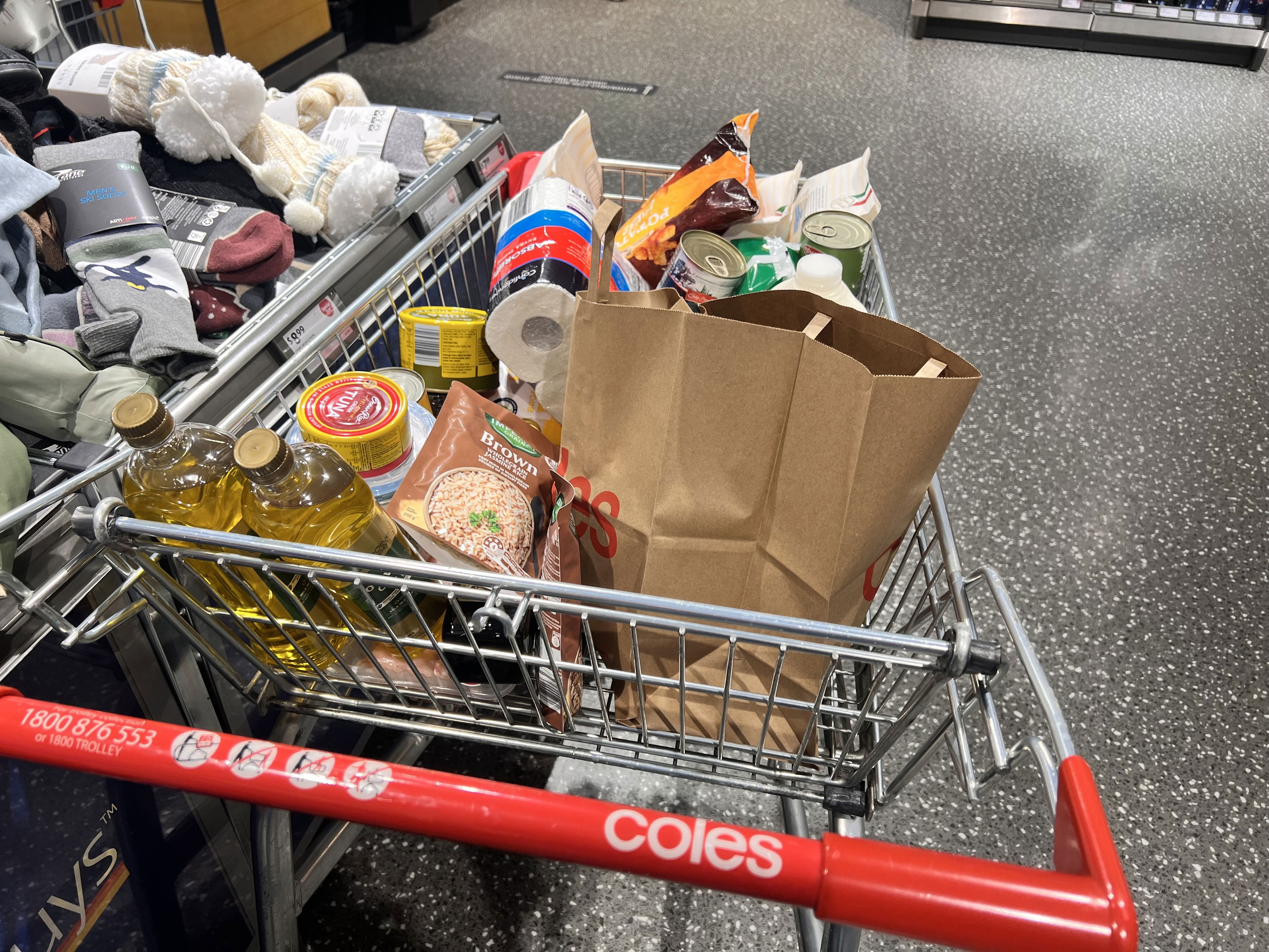
The Great Australian Trolley Debate: From Coins to Etiquette Faux Pas
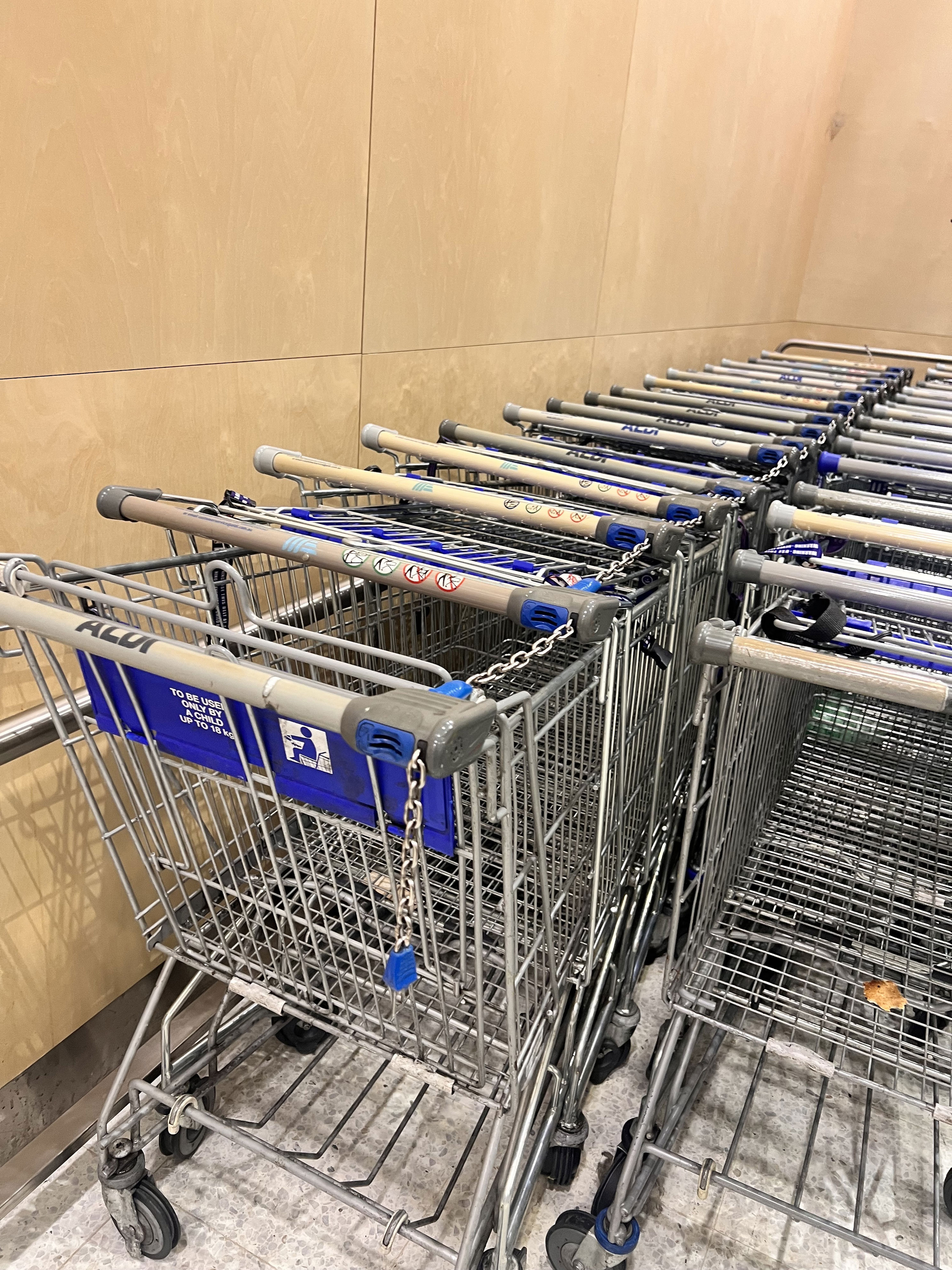
Back in 2001, a simple yet revolutionary concept landed on Australian shores: the coin-operated shopping trolley. Aldi, the discount grocery giant, pioneered this system, and it was quickly embraced as a quirky addition to the shopping experience. The premise was straightforward: pop a $1 or $2 coin into the designated slot, and a trolley was yours for the weekly shop. Once you’d finished, returning the trolley to its bay or the store entrance would release your coin, a neat little incentive to keep things tidy.
Fast forward two decades, and the landscape of Australian shopping has significantly shifted. The humble coin, once a staple in most pockets, has largely been replaced by contactless payments and digital wallets. This shift has, in turn, created a new set of challenges and, dare we say, etiquette dilemmas surrounding the seemingly simple act of securing a shopping trolley. While new, more convenient methods have emerged, they’ve also given rise to a fresh batch of social quandaries that have left shoppers scratching their heads.
A Brief History of the Coin-Operated Trolley in Australia
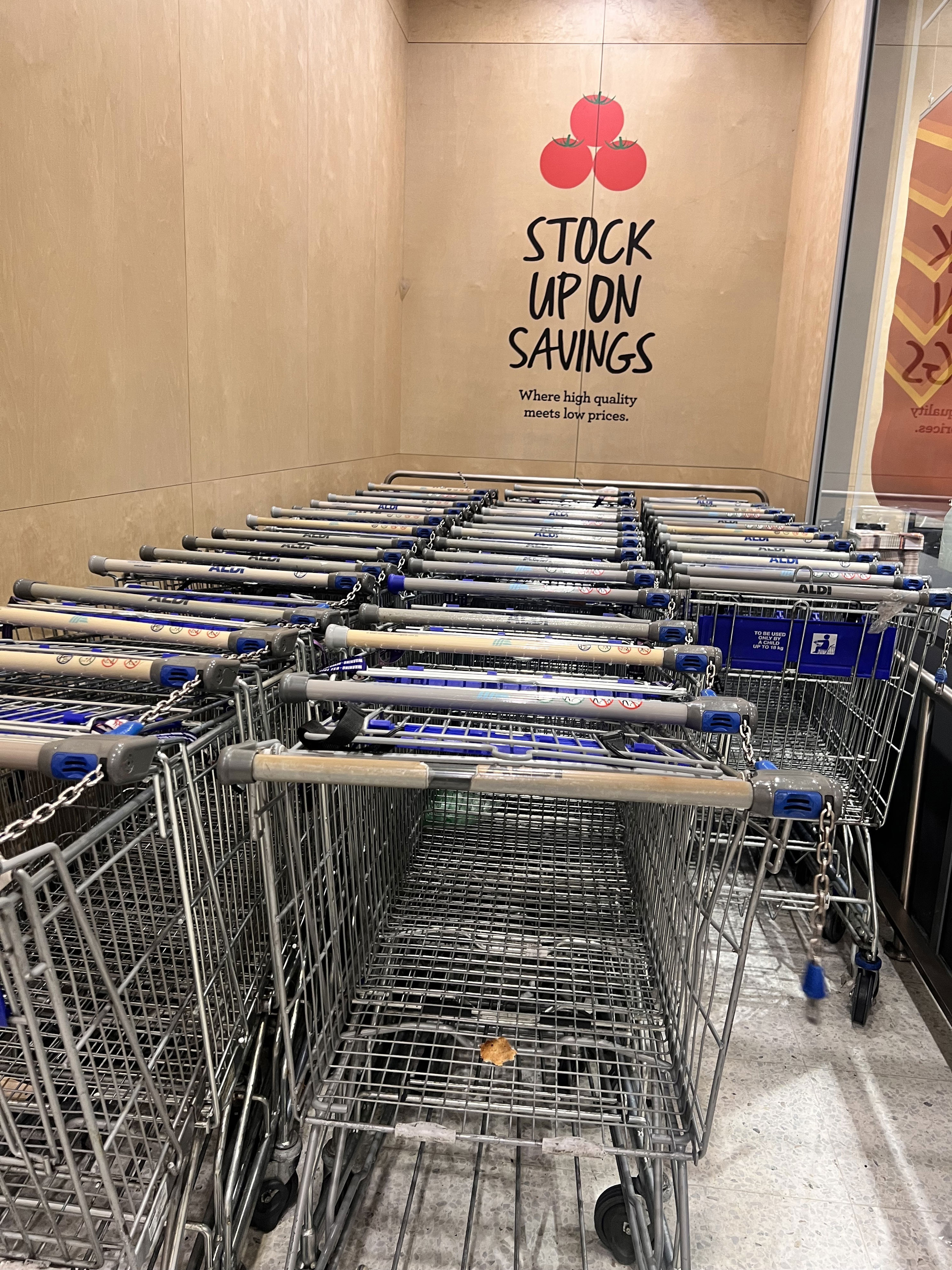
Aldi’s introduction of coin-operated trolleys was more than just a novelty; it was a strategic move to streamline operations. By encouraging shoppers to return trolleys themselves, the supermarket chain reduced the need for staff to perform this task, thereby keeping operational costs down and, ultimately, contributing to their famously low prices. This self-policing system proved remarkably effective, as the vast majority of shoppers, keen to retrieve their coin, returned their trolleys to designated areas.
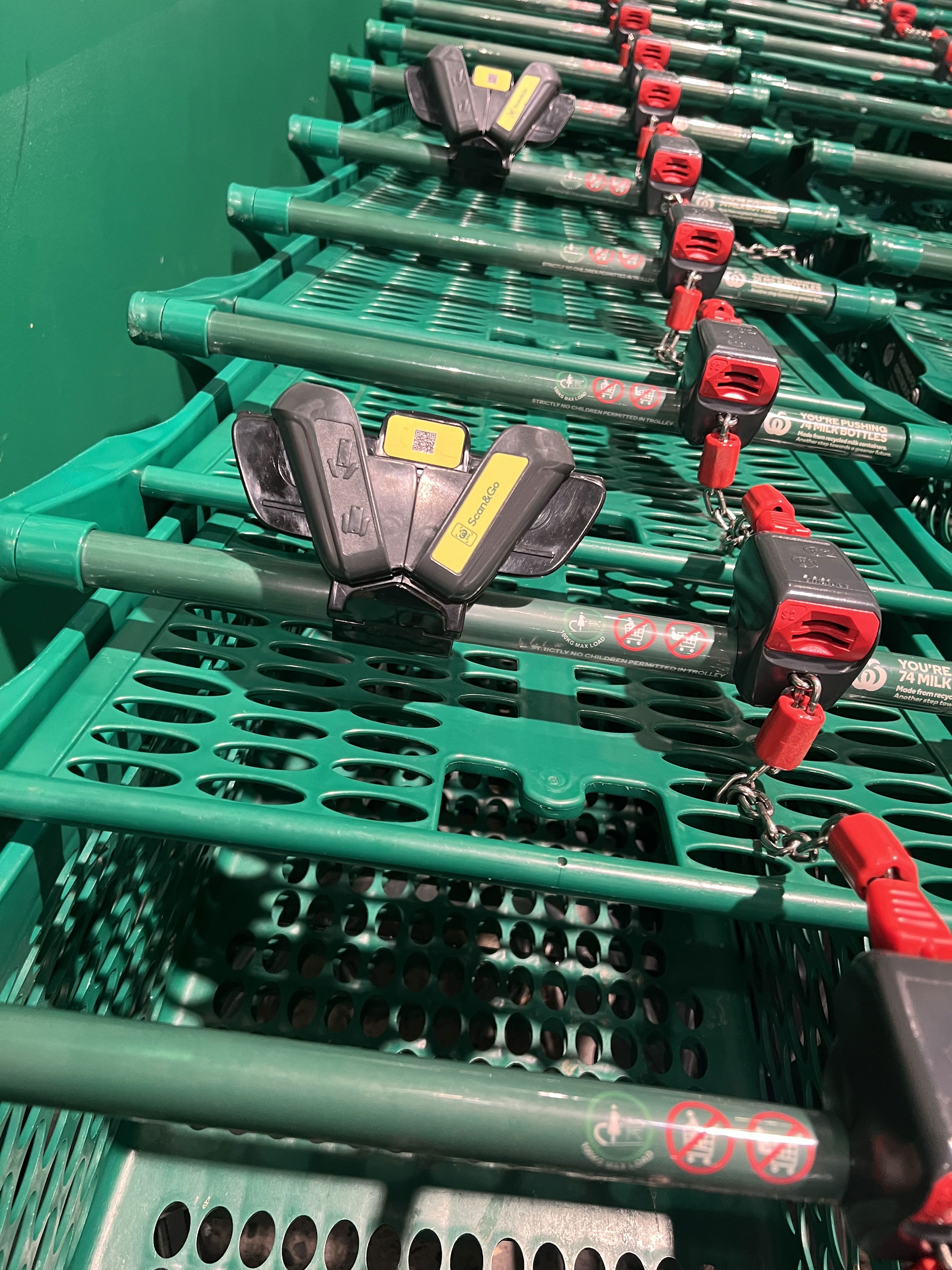
The success of Aldi’s model didn’t go unnoticed. Other major players in the Australian grocery scene, such as Coles and Woolworths, soon followed suit, implementing their own coin-operated trolley systems. However, unlike Aldi, where the coin system is a universal feature, its adoption by Coles and Woolworths was more selective, with only certain stores across their networks featuring the chained trolleys.
The Cashless Conundrum: When Coins Disappear
The steady decline in cash and coin usage over the past twenty years has presented a unique hurdle for trolley access. Shoppers often find themselves at the supermarket entrance, ready to load up their groceries, only to realise they have no loose change. This has led to a few workarounds:
- Seeking Assistance: Many shoppers have resorted to asking supermarket staff for help. Service desks are typically equipped to provide a coin or release a trolley, ensuring that a lack of change doesn’t lead to a lost sale.
- Trolley Hunting: A more informal, and perhaps slightly cheeky, approach involves ‘trolley hunting.’ This is where shoppers look for trolleys that have been left unlocked, often by someone who has already retrieved their coin.
- Borrowing (with caveats): Taking a free trolley from another retailer is sometimes seen as acceptable, particularly if the shopper intends to visit multiple stores, including the one with the coin-operated trolleys. However, this is generally considered less polite than other methods.
To combat this, many savvy shoppers now make a point of keeping a dedicated ‘trolley coin’ handy, often attached to their keys. The rise of specialised trolley tokens, available from places like Bunnings and even Aldi itself, has further simplified this, allowing for easy storage and quick access.

Navigating the New Trolley Etiquette Minefield
The evolution of trolley access has unfortunately brought with it a new set of social friction points, with Australian shoppers frequently taking to online forums like Reddit to air their grievances and share their experiences. One particularly common scenario involves the unspoken rules around transferring a trolley that still has a coin inserted.
Imagine this: you’ve just returned your trolley, coin safely retrieved, and a fellow shopper approaches, asking if they can have your trolley. You’ve just got your coin back, so you politely decline to hand it over. This, as one shopper discovered, can lead to awkward confrontations and even social judgment. In this instance, the shopper who declined to give up their trolley was met with a frosty reception, leading them to feel like they’d acted inappropriately.
However, the consensus among many online commenters was that the trolley and its coin belonged to the person who had paid for it. The unspoken rule, they argued, is that if someone offers you their trolley before they’ve retrieved their coin, then it’s a kind gesture. But if they’ve already retrieved their coin, it’s their prerogative. The etiquette then shifts: if you acquire a trolley that someone else has left unlocked (with their coin still in it), you’re then expected to “pay it forward” and offer it to the next person in need.
The ‘Trolley Coin’ and the Ultimate Good Person Test
The use of dedicated ‘trolley coins’ or tokens, while convenient, still relies on the principle of returning the trolley to its bay to retrieve your deposit. And it’s this act of returning the trolley that has become a surprisingly potent symbol of civic responsibility. For many Australians, the decision to return a supermarket trolley is seen as the ultimate “litmus test” for determining whether someone is a “good person.”
Consumer expert Adam Ferrier from Thinkerbell acknowledges this societal pressure, noting that we often judge negative behaviours by the perceived character of the individual (“they are selfish”) rather than considering the contextual factors (“they were probably running late”). While it’s true that we are all subject to judgment, Ferrier suggests that a single lapse in trolley etiquette doesn’t necessarily define us as inherently bad.
Essential Trolley Etiquette for a Smoother Shopping Trip (Circa 2026)
To ensure a pleasant and considerate shopping experience for everyone, here are some fundamental trolley etiquette rules to follow:
- Respect Someone Else’s Unlocked Trolley: If a shopper has just returned a trolley and offers it to you with their coin still inside, it’s a generous gesture. However, remember that the coin is theirs, and they are within their rights to keep it.
- Acknowledge the Exchange: If someone kindly hands you a trolley, it’s polite to offer them the coin. While they’ll likely decline, the offer shows courtesy and recognises the transaction.
- The Golden Rule: Return It Properly: “Close enough” simply won’t cut it. Ensure the trolley is placed securely within the trolley bay, pushed in as far as possible. Always try to use the correct bay for the specific supermarket.
- Avoid the Car Park Dump: Leaving a trolley in a car park is a major inconvenience for other shoppers trying to find a parking spot. It takes mere seconds to return it to its bay.
- Don’t Sweat the Small Stuff: If you find yourself without a coin or a token, don’t panic. Supermarket service desks are there to help.
Ultimately, supermarkets are in the business of serving customers, and staff are usually more than happy to assist with trolley access. It’s also perfectly acceptable to use a free trolley if you intend to shop at that particular retailer. And, of course, the “trolley hunt” remains a viable option – if someone was happy to leave it, it’s generally fair game. Just remember to pay it forward if you can!