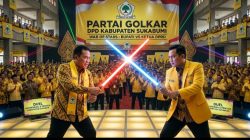
The rise of artificial intelligence (AI) has ushered in a new era of information dissemination, but it’s also brought a wave of sophisticated misinformation, particularly concerning real-world events like the conflict in Iran. Social media platforms are awash with AI-generated images and videos purporting to depict the unfolding events, leaving many questioning the authenticity of what they see. Experts are now stepping forward to equip the public with the tools needed to discern fact from fiction in this increasingly complex digital landscape.
The Art of Deception: AI and Geopolitical Narratives
Warfare has always involved elements of deception, but AI has amplified this to an unprecedented scale. Fabricated content, showcasing everything from buildings engulfed in flames and toppling over to colossal missiles being paraded through streets, is circulating widely. These AI-generated visuals, while seemingly convincing, can significantly mislead individuals about the gravity of a genuine conflict.
Dr. Jordan Howell, an assistant professor in the Department of Criminology at the University of South Florida, highlights the critical need for vigilance. He explains that detecting AI-generated content often involves a multi-pronged approach.
- Technical Analysis: Sophisticated software can be employed to cross-reference visual elements within images and videos, identifying anomalies or inconsistencies that are characteristic of AI generation. This can involve looking for unnatural patterns, repetitive textures, or illogical details that human-created content would typically not possess.
- Source Verification: The most crucial step, according to Dr. Howell, is to consult reputable news organisations and official sources. By cross-referencing the information with established news agencies known for their journalistic integrity, such as Reuters or the Associated Press, individuals can verify whether the depicted events are being reported by trusted outlets.
“In the current geopolitical context, AI has allowed propaganda at scale, and it’s really hard for individuals to know what information is real,” Dr. Howell stated, underscoring the challenge posed by this technology.
Beyond Fabrications: The Blurring Lines of Digital Content
The challenge doesn’t end with entirely fabricated content. We are also seeing instances where AI is used to create hybrid media, merging real footage with simulated elements. The White House, for example, has been observed posting content on social platforms like X that blends video game scenarios with actual Department of Defense footage related to the conflict in Iran.
This strategic use of content, whether fully synthetic or augmented, points to a broader trend. “The White House, along with our adversaries, are engaged in a war of public opinion and sentiment,” Dr. Howell observed. This battle for hearts and minds is increasingly being fought on the digital battlefield, where the perception of events can be as impactful as the events themselves.
The Future of Warfare: AI on the Frontlines
The implications of AI extend far beyond misinformation campaigns. Dr. Howell also shed light on the potential integration of AI into actual combat situations. The technology holds the promise of enhancing military capabilities, such as precisely locating and striking targets without the need for deploying troops on the ground.
However, he stressed the paramount importance of human oversight in such applications. “As technology advances, so too does warfare. And modern warfare is going to be, you know, who has the best AI,” he commented, suggesting that AI proficiency will become a decisive factor in future conflicts. Yet, he also cautioned that while the technology could offer significant advantages, its development and deployment must be carefully managed to prevent unintended and dangerous consequences.
A Practical Guide to Spotting Fake Content: The SIFT Method
To combat the deluge of misinformation, Chad Mairn, a professor at St. Petersburg College, advocates for a straightforward yet effective strategy known as the “SIFT” method. This approach empowers individuals to critically evaluate the content they encounter online.
- S – Stop and Think: Before impulsively sharing any article or video, take a moment to pause and critically assess its content. Consider the emotional tone, the sensationalism, and whether it aligns with your understanding of the situation.
- I – Investigate the Source: Determine who is posting the information. What is their background? Do they have any discernible expertise in the subject matter? Examining the profile and history of the poster can reveal potential biases or a lack of credibility.
- F – Find Better Coverage: Actively search for the same story from multiple trusted sources. Reputable news organisations like Reuters, the Associated Press, BBC, or established national broadcasters often provide more comprehensive and balanced reporting. Comparing different accounts can help identify discrepancies or confirm the validity of claims.
- T – Trace Claims Back to the Original Context: Whenever possible, try to trace the origin of a claim, image, or video. Where did it first appear? Understanding the initial context can reveal if it has been taken out of proportion, manipulated, or presented in a misleading way. This might involve reverse image searches or looking for original reports.
By adopting these critical thinking habits, individuals can become more discerning consumers of online information, helping to stem the tide of AI-generated misinformation and contributing to a more informed public discourse.