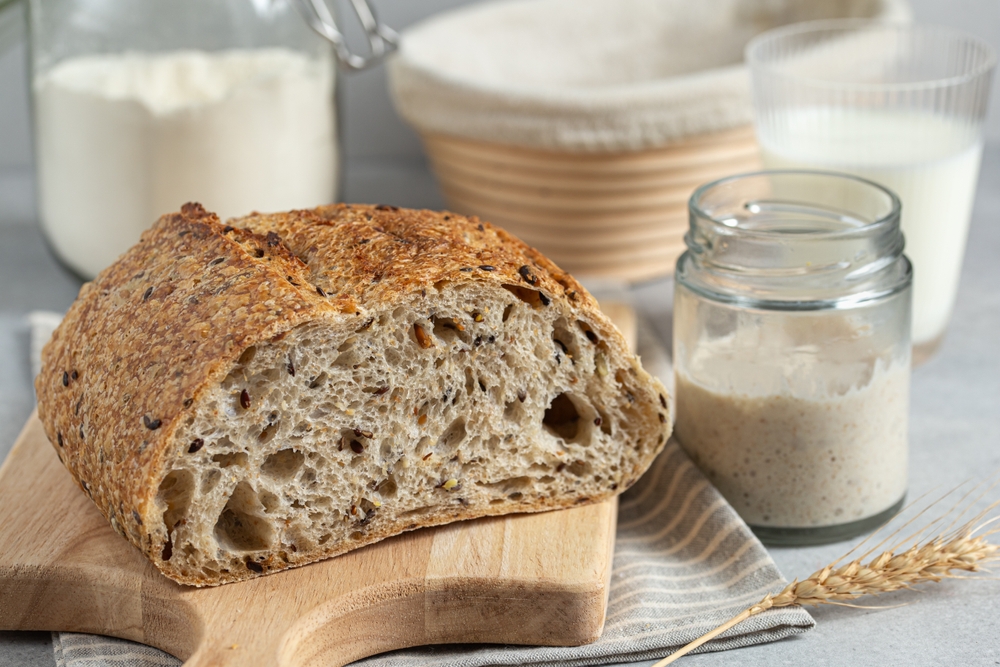
The Sourdough Sensation: Decoding the Daily Dose for Your Body
Sourdough bread has surged in popularity, often eclipsing its conventional counterparts. But what’s the real deal when you incorporate this tangy loaf into your daily diet? Nutrition experts shed light on the key benefits and potential considerations for your well-being.
Nutritional Powerhouse: What’s Inside a Slice?
At its core, sourdough bread, typically crafted from wheat flour, is a source of carbohydrates, providing essential energy for your daily activities. Beyond that, it offers a valuable contribution of B vitamins, including folate, riboflavin, and thiamine. You’ll also find important minerals like selenium and manganese.

Essential Minerals: Iron and Zinc for Overall Health
Wheat flour is a natural repository for vital minerals such as iron and zinc. When consumed as part of a balanced diet, these minerals play a crucial role in supporting energy metabolism, bolstering your immune system’s defences, and contributing to robust bone health.

The Whole Grain Advantage: Boosting Nutrient Density
For those who opt for sourdough made with whole-grain flour, the nutritional profile receives a significant upgrade. Whole grains inherently contain more protein and essential fatty acids. Crucially, they also boast a higher fibre content, which offers a cascade of benefits for your body.

The Synergy of Fibre, Protein, and Fat
The harmonious combination of fibre, protein, and fat within sourdough bread is a key factor in promoting healthy tissues and achieving more stable blood sugar regulation. These three macronutrients are not only instrumental in maintaining gut health but also support the optimal functioning of your heart, immune system, and brain.

Amplifying Nutrient Intake: Beyond the Basics
The nutritional value of sourdough can be further enhanced by the inclusion of additional ingredients. When nuts, seeds, herbs, or spices are incorporated into the dough, each slice can deliver an even more impressive array of macro- and micronutrients, turning your daily bread into a more potent source of goodness.

The Magic of Fermentation: What Makes Sourdough Unique
What truly sets sourdough apart from other breads is its distinctive fermentation process. This is where wild yeasts and beneficial bacteria work their magic. During the slow rising period, these natural agents actively break down certain nutrients within the dough, setting the stage for a more digestible and potentially more nutritious end product.

Easier Digestion: A Gentler Choice for Your Gut
A significant advantage of the fermentation process is its potential to make sourdough more digestible. During this natural breakdown, some of the wheat proteins, including gluten, may be partially predigested. For individuals with sensitive digestive systems, this can result in a noticeably gentler experience compared to conventional breads.

Enhanced Mineral Absorption: Unlocking Nutritional Potential
The fermentation process can also enhance your body’s ability to absorb crucial minerals. Studies suggest that the breakdown of compounds like phytic acid during fermentation makes minerals such as iron, zinc, and magnesium more bioavailable, meaning your body can utilise them more effectively.

Stable Blood Sugar: A Smoother Energy Curve
Compared to some other bread varieties, sourdough fermentation may lead to a more gradual and less pronounced rise in blood sugar levels. This can be a significant benefit for maintaining consistent energy throughout the day and avoiding the sharp peaks and troughs often associated with high-glycemic foods.

Sustained Energy and Regular Digestion
When consumed in appropriate quantities, sourdough bread can be an excellent contributor to meeting your body’s energy requirements and nutritional needs. Furthermore, its unique properties can contribute to a more regular and comfortable digestive process, promoting overall gut well-being.

Moderation is Key: Navigating Calorie Intake
Like any carbohydrate-rich food, excessive consumption of sourdough bread can lead to an increased calorie intake. If this surplus of calories consistently exceeds your body’s energy expenditure, it can, over time, contribute to weight gain.

The Importance of Portion Size
Nutrition experts consistently emphasise the crucial role of portion control. Moderate servings of sourdough can provide a steady supply of energy, valuable fibre, and essential minerals. However, very large portions might make it more challenging to manage blood sugar levels effectively and could displace other nutrient-dense, fibre-rich foods from your diet.

Mindful of Sodium Content
It’s worth noting that a single slice of sourdough bread can contain a notable amount of sodium, typically ranging from 100 to 300 milligrams. When bread is a daily staple, this sodium intake can accumulate quickly. This is a particularly important consideration for individuals managing high blood pressure, who need to be mindful of their overall sodium consumption.

Who Should Exercise Caution?
While sourdough offers many benefits, it’s not suitable for everyone. Individuals diagnosed with celiac disease or those who suffer from wheat allergies must completely avoid traditional sourdough bread made from wheat flour. The presence of wheat proteins can trigger significant and potentially severe immune reactions in these individuals.