The escalating conflict in the Middle East has sent ripples through the global aviation industry, causing significant disruptions for travellers worldwide, including those Down Under. For many Australians planning trips to Europe, hubs like Doha, Abu Dhabi, and Dubai have long been essential transit points. However, the recent outbreak of hostilities has left thousands stranded, forcing airlines and passengers alike to reassess established travel plans.
While the threat of drone strikes and missile activity in the region looms large, a concerted effort by various airlines has seen thousands of Australians safely repatriated. This raises a crucial question for anyone planning international travel: how are these flights operating, and what are the alternative routes Aussies should consider when heading to Europe or beyond?
Navigating Restricted Airspace: A Dynamic Situation
The status of Middle Eastern airspace is in a constant state of flux, making it a challenging environment for airlines to navigate. As of recent reports, the United Arab Emirates (UAE) announced a temporary closure of its entire airspace as a precautionary measure. While this closure was lifted within a few hours, allowing major carriers like Emirates and Etihad to resume operations, the situation remains volatile.
Crucially, much of the airspace across Iran, Iraq, Kuwait, Syria, and Bahrain remains closed. While Israel, Qatar, Saudi Arabia, and Oman have kept their airspaces open, these are subject to significant restrictions that dictate precise flight paths. Consequently, many flights that traditionally transited through the Middle Eastern region are now being rerouted.
Emerging Alternative Routes
The most common rerouting strategy involves flights taking a more northerly path, often traversing Afghanistan, Turkmenistan, and Armenia before reaching Turkey. However, this route is not without its own potential complications, particularly given the ongoing conflict between Afghanistan and Pakistan, which could deter some airlines from utilising this path.
Qantas’s Evolving Network
Australia’s national carrier, Qantas, does not currently operate direct flights into the Middle East. Historically, the airline utilised Dubai International Airport as a hub for its European services during the 2010s. However, this strategy shifted in 2017, with Qantas redirecting its focus to Singapore as its primary transit point for European destinations.
Despite not flying through the Middle East, the current conflict has necessitated adjustments to Qantas’s operational routes. The airline’s usual non-stop service from Perth to London Heathrow now includes a stopover in Singapore. Qantas attributes this change to “adjustments required on flight paths,” necessitating a fuel stop.
Airlines Servicing the Middle East
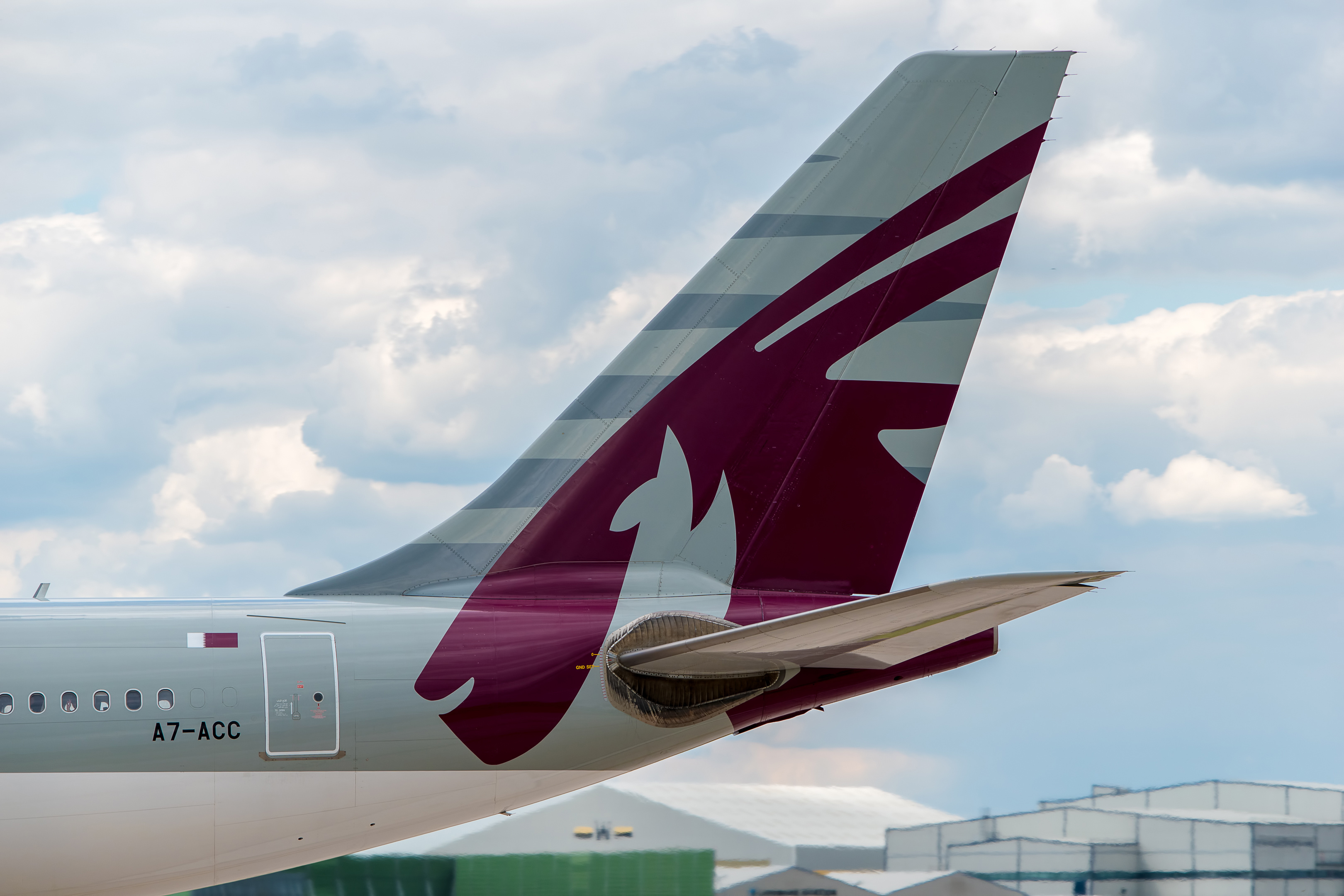
Despite the disruptions, several airlines continue to offer services to the Middle East from various Australian cities. Sydney, Brisbane, Melbourne, and Perth all have daily flights to Dubai and Abu Dhabi, operated by Emirates and Qatar Airways respectively. Adelaide also benefits from Qatar Airways services. Furthermore, Qatar Airways provides flights from Canberra, though these involve a transit in Melbourne. Etihad Airways maintains daily services from Sydney and Melbourne to its Abu Dhabi hub.

Asian Hubs: The New Gateway to the West
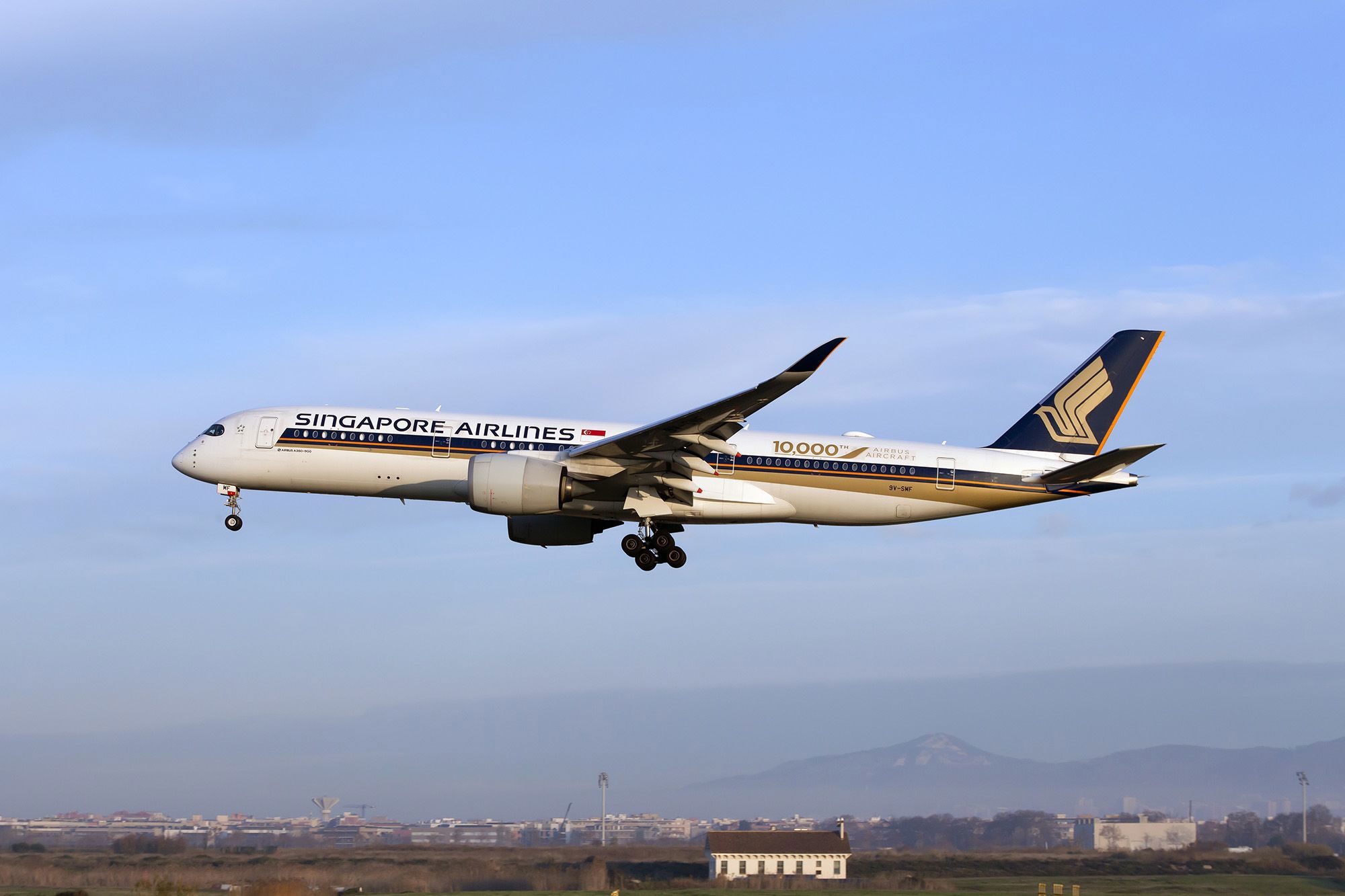
For travellers seeking to bypass the Middle East entirely, a network of Asian hubs offers viable alternative routes to Europe and Africa. Singapore stands out as a prime option for Australian travellers, given its extensive global connections and its proximity to Australia. Flights from multiple Australian cities connect to Singapore, which then provides onward travel to numerous major international destinations.
Other significant Asian transit points include Kuala Lumpur, Bangkok, and Tokyo. These cities serve as crucial connectors for travellers who would typically rely on Middle Eastern hubs for their onward journeys. However, it’s important to note that the increased demand for flights through these Asian gateways is beginning to drive up airfares.
Travel Time: A Surprising Shift
Counterintuitively, flights connecting to Europe via Singapore and other Asian destinations are often slightly shorter in duration than those that historically transited through the Middle East. Directing flights through the Middle East, such as Dubai or Doha, could previously take between 24 to 26 hours. This extended travel time was often due to rerouting around restricted airspace and congestion at busy airports.
Conversely, flights utilising Asian routes, particularly those in the northern regions, can now take between 22 and 24 hours. This efficiency is achieved by avoiding the restricted airspace in and around the Middle East, allowing for more direct and streamlined flight paths to European destinations.

The ongoing geopolitical situation continues to shape the landscape of international air travel. Passengers are advised to stay informed about the latest flight path updates and potential disruptions when planning their journeys.