
The Deceitful Dance of ‘Fool’s Spring’: Why Sunny Days Can Lead to a Chilly Reality Down Under
Australia, much like many parts of the world, is no stranger to the fickle nature of seasonal transitions. Just when you think you can finally ditch the layers and embrace the sunshine, the weather throws a curveball, reminding us that the journey from winter to summer is rarely a straight, smooth path. This phenomenon, often experienced in the lead-up to spring, has been colloquially termed ‘Fool’s Spring’ – a period of deceptively warm weather that swiftly gives way to a return of colder conditions.
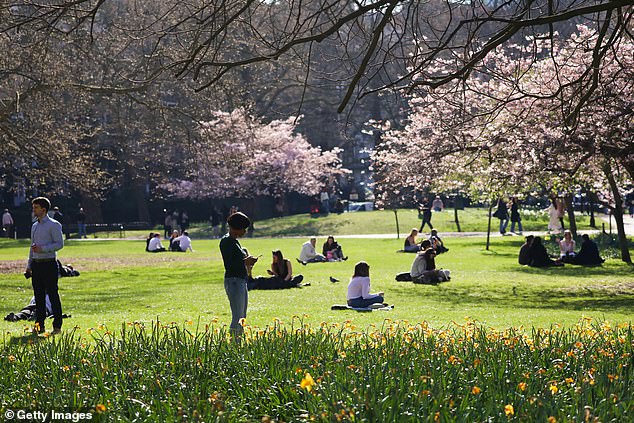
This isn’t just a fleeting feeling; it’s a meteorological reality explained by weather experts. ‘Fool’s Spring’ describes a brief but noticeable period of warmer-than-average temperatures, typically occurring in March or April, when the atmosphere is in a state of flux. As the days begin to lengthen and the sun’s strength gradually increases, it’s natural to feel a hint of warmth, a tantalising glimpse of what’s to come. These mild spells can be so convincing that they encourage us to shed our winter coats, dust off our gardening tools, and mentally prepare for the warmer months ahead.
However, this optimism can often be short-lived. While the sun may be gaining power, a significant factor remains: the potential for cold air masses to still drift southwards from colder regions. These incursions can bring about abrupt drops in temperature, and at times, even present as wintry weather. The longer daylight hours allow temperatures to climb rapidly under clear skies, but as soon as the sun dips below the horizon, or if cloud cover moves in, the nights can remain surprisingly chilly. This combination of daytime warmth followed by cold nights can create the illusion of settled, spring-like conditions, only for the colder air to reassert its dominance.
Beyond the Thermometer: Recognising the Subtle Signs of Spring’s Arrival
It’s important to remember that our perception of spring isn’t solely dictated by the mercury. Nature offers a host of more subtle indicators that signal the changing seasons, even when the thermometer might be playing tricks.
- Lengthening Daylight Hours: Often, the very first noticeable change is the gradual increase in the amount of daylight we experience each day. This is a direct consequence of Earth’s axial tilt as it orbits the sun.
- Early Blooming Flora: The emergence of early spring flowers, the swelling of buds on trees, and the first green shoots pushing through the soil are all classic signs that winter’s grip is loosening.
- Increased Avian Activity: You might observe a noticeable increase in bird song and activity as they become more active, foraging and preparing for breeding seasons.
- Changes in Air Quality and Humidity: The air itself can feel different. You might notice that scents are more pronounced, and there can be subtle shifts in humidity levels.
- The Onset of Pollen Season: For many, the arrival of spring also marks the beginning of the pollen season, which can sometimes commence earlier than anticipated during these milder spells.
These environmental cues, often referred to as phenological signs, are closely linked to daylight rather than temperature. This is why they can appear and persist even when the weather takes an unexpected turn back towards colder conditions.
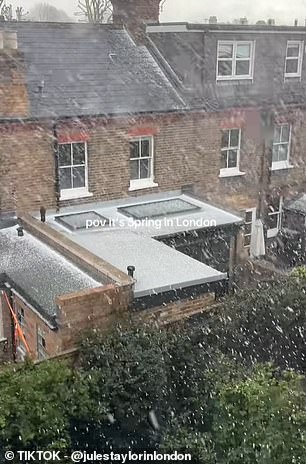
The Social Media Chorus: A Nation’s Shared Frustration
The recent unpredictable weather has, unsurprisingly, sparked a flurry of commentary on social media platforms. Many Australians have taken to sharing their experiences of being caught off guard.
“We’ve definitely entered winter round two,” one frustrated user from a major city posted. “It’s absolutely freezing, and I made the rookie mistake of leaving my coat at home because I genuinely thought we were well and truly in spring.”
Another common sentiment expressed was a sense of déjà vu: “Every single year, I fall for it. It’s like clockwork – I’ll be fooled every single time.” This highlights the recurring nature of ‘Fool’s Spring’ and the collective, often humorous, resignation to its unpredictability.
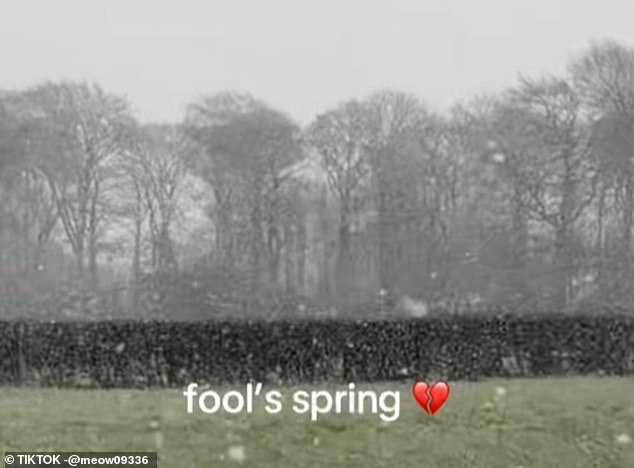
Looking Ahead: Preparing for Spring’s Contrasting Nature
While the immediate future might hold some capricious weather, the general trend as the season progresses is towards more frequent and sustained warmer conditions. However, until that point is firmly established, it’s wise to remain prepared for rapid changes. Keeping a close eye on the weather forecast and understanding that spring is a season of contrast, as much as it is about renewal, is key.
Weather services have issued warnings that the shifts in temperature can feel like a “shock to the system,” with mercury levels potentially plummeting to well below freezing. This means that even as we hope for a consistent return of warmer weather, the reality for the coming days and weeks is likely to be one of continued variability.
A Glimpse at the Weekend Forecast: Embracing the Uncertainty
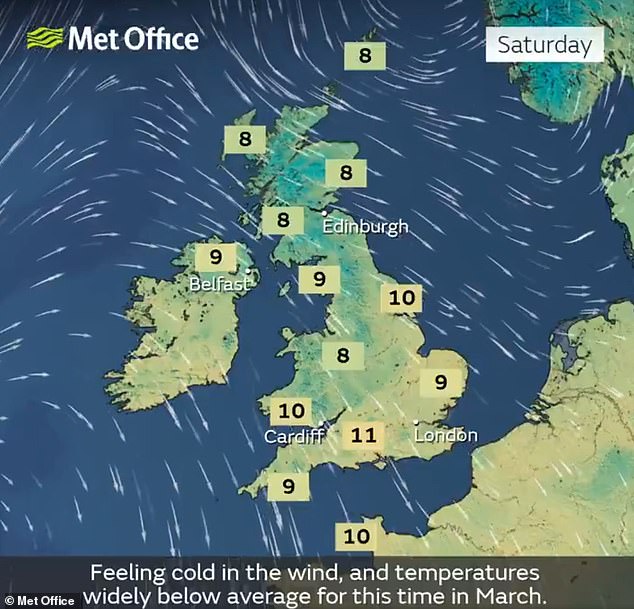
The forecast for the upcoming weekend serves as a stark reminder of the changeable conditions we can expect:
- Saturday: Expect a mix of sunny spells and showers, some of which could be heavy and wintry, featuring hail, snow on higher ground, and isolated thunderstorms. More persistent showers are anticipated for some regions later in the day. The wind is expected to be blustery, making it feel colder than the preceding day.
- Sunday to Tuesday: Sunday is predicted to see rain spreading across the southeast, followed by brighter conditions with gales and wintry showers in the north. Monday is likely to be mostly dry but cloudier, with increasing winds. Tuesday is forecast to be mild and cloudy with occasional rain, and stronger winds.


As the season unfolds, it’s a valuable lesson in patience and preparedness. While the allure of early warmth is strong, remembering that winter’s last gasp can still be felt well into spring is crucial for avoiding those chilly surprises.