A New Approach to Eating Disorder Recovery
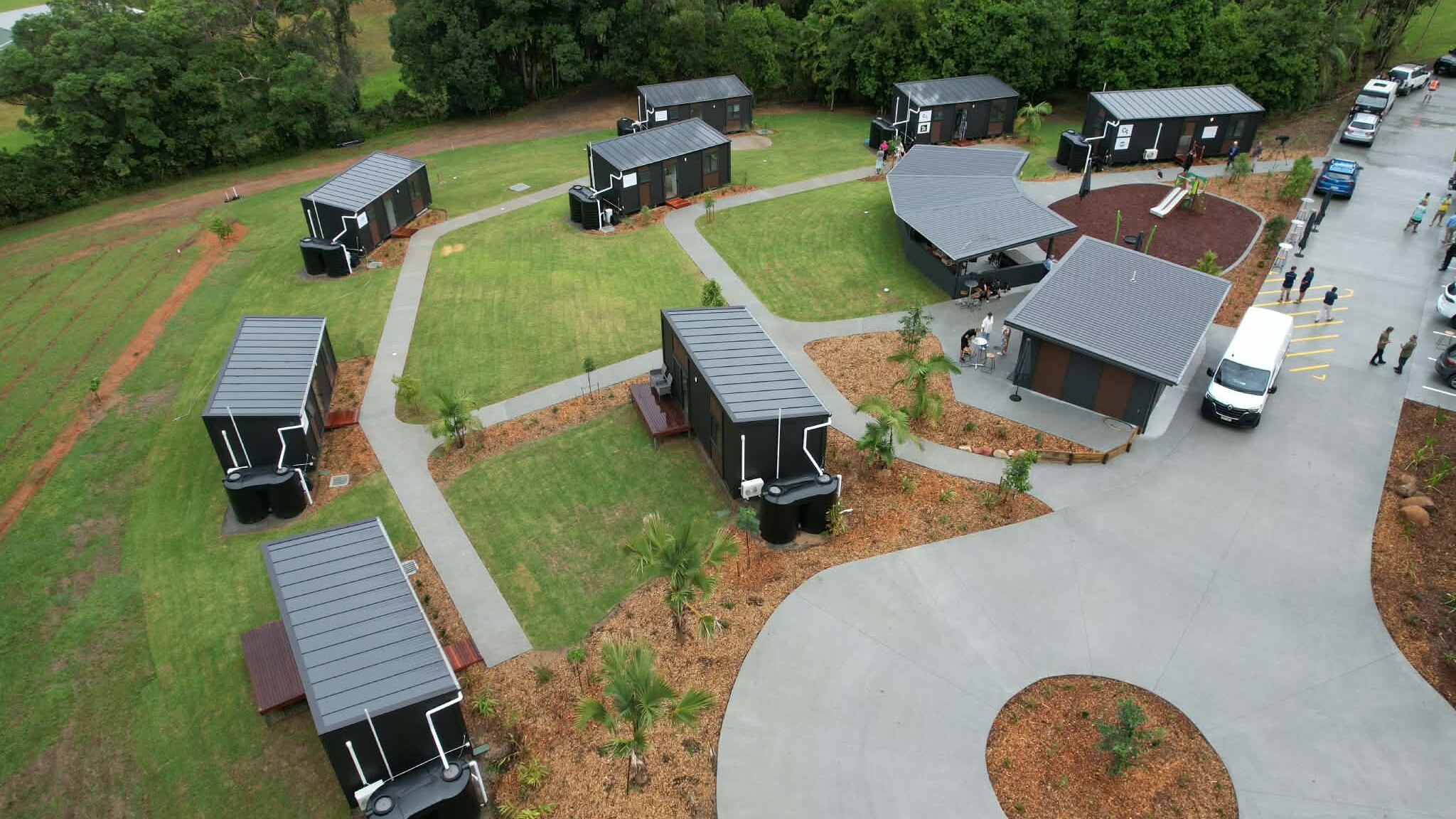
A Queensland couple has pioneered a groundbreaking recovery village designed to help individuals with eating disorders transition back into their everyday lives without the risk of relapse. Mark and Gaye Forbes, co-founders of the eating disorder support service endED, have created an eight-unit village that offers short-term, supported accommodation for those who are not yet ready to return home.
The Forbes family’s journey began after they supported their own daughters through life-threatening eating disorders. This experience led them to develop a comprehensive recovery pathway, ranging from residential treatment to day programs, and now, supported living. Their efforts highlight the urgent need for more specialized facilities in Australia, where eating disorders claim more lives annually than the national road toll.
The Importance of Supportive Spaces
At the launch of the recovery village, former Olympic swimmer Lisa Curry shared her emotional story. She lost her daughter, Jaimi Lee Kenny, to an eating disorder six years ago. “My daughter Jaimi would have loved this place,” she said, expressing how the village could have made a significant difference in her life. Curry emphasized the importance of such facilities for families, providing an “in between” space for those not sick enough for hospital care but too ill to return home.
“The village is truly life changing for some people,” she added, highlighting the critical gap in support systems across the country.
Self-Contained Tiny Homes
The recovery village consists of self-contained tiny homes, each equipped with a shower, toilet, cooking facilities, and a fridge. These units can accommodate up to 60 families throughout the year, with patients staying for up to 90 days. However, they are welcome to return later for further treatment if needed.
Mark Forbes explained that while individuals may not leave the village “fully recovered,” they will be on the path to recovery. “A lot of times, it walks with you throughout your life, but you learn how to manage it,” he said. The team at the village provides essential tools to help individuals navigate their recovery journey and live the best life possible.
Holistic Healing and Community Integration
The village’s design emphasizes holistic healing, with communal areas such as a barbecue, laundry, children’s playground, and a community produce garden. These spaces are meant to foster a sense of integration with nature and the community, helping residents feel less isolated.
Support services include community group outings, meal support to tackle food challenges, trauma-informed yoga, and peer and carer support via telehealth. The state government invested $1.9 million into the project, recognizing its value beyond just medical care.
Premier David Crisafulli acknowledged the importance of such initiatives, stating, “There is no way we as a government could provide these services to everyone who needs it.” He highlighted the social impact of the investment, noting how many people fall through the cracks daily.
A Long-Term Vision
The Forbes family’s journey to create the recovery village has spanned over 11 years. They first established a home-like residential treatment facility in Mooloolah Valley called Wandi Nerida, which is now operated by the Butterfly Foundation. Their second initiative, House of Hope, supported individuals transitioning from intensive treatment to full independence.
The former nine-bedroom property in West Woombye was transformed into therapy and support spaces, staffed by qualified professionals with lived experience of eating disorders. This approach ensures that individuals receive care from those who understand their struggles firsthand.
Beyond Appearance: Understanding Eating Disorders
Tayla Clegg, a 26-year-old dietician at the recovery village, shared her personal experience with an eating disorder. She described how her condition began with subtle changes that quickly affected her mental and physical health. Clegg emphasized that the most common misconception about eating disorders is that they are solely about appearance.
“It’s not necessarily just about appearance … it’s about so much more than that,” she said. Her story underscores the complexity of eating disorders and the need for greater awareness and support.