The Rise of Pickleball in China: A Focus on Well-being and Community
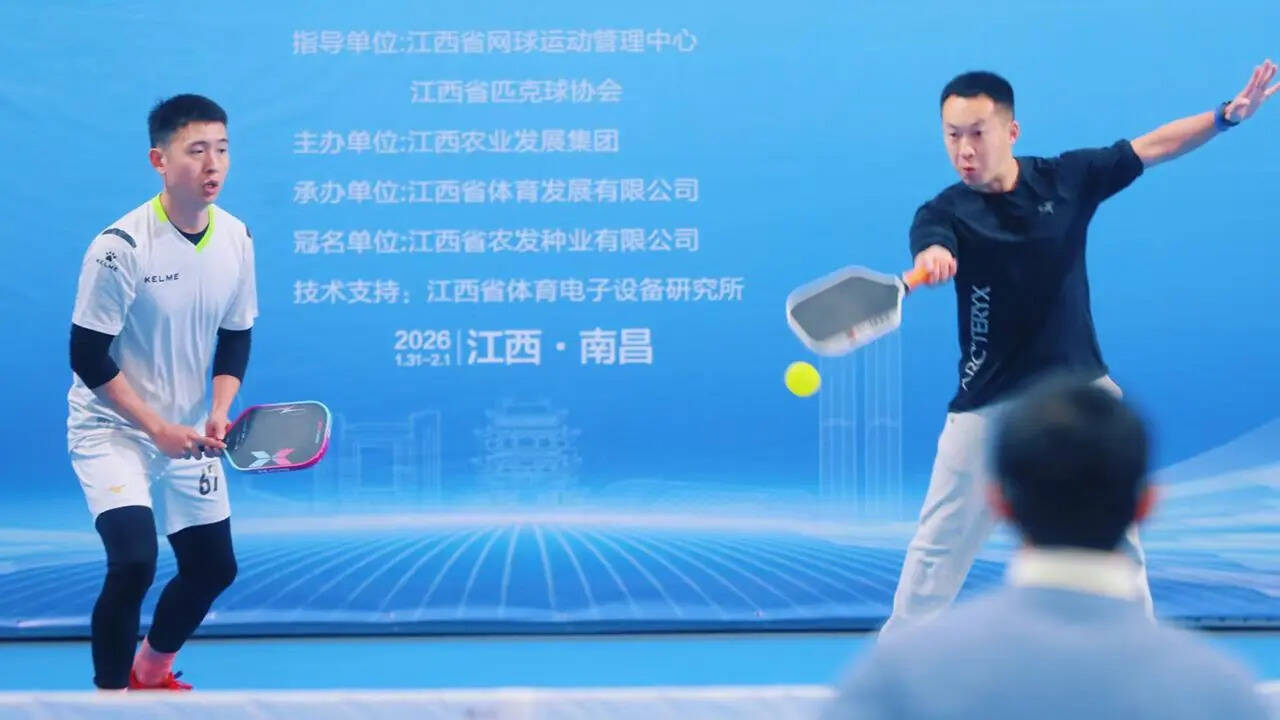
Pickleball is experiencing a remarkable surge in popularity across China, driven by more than just participation and infrastructure. Its growing significance as a tool for physical and mental well-being has become a central theme in its development. This trend was highlighted during a two-day event in Beijing, which showcased the sport’s potential to bring people together and enhance their quality of life.
The Beijing leg of the 2026 Joola Pickleball Titans Tour featured a unique blend of exhibition play and grassroots engagement. Tennis legends Andre Agassi and Steffi Graf, along with world No. 1 Ben Johns, participated in the event, offering insights into the sport’s appeal and future.
Chinese tennis player Wang Qiang shared her positive experience after trying the sport: “It was very fun, very enjoyable and easy to pick up.” Her comments reflect the accessibility of pickleball, which is often seen as a welcoming sport for people of all ages and skill levels.
Andre Agassi on the Broader Impact of Pickleball
Andre Agassi, who has become a global ambassador for pickleball, emphasized the sport’s impact beyond competition. He noted that his initial interest in pickleball came from playing it with his family. “Everybody was enjoying it. We loved that,” he said.
Agassi also pointed out the sport’s balance of familiarity and challenge. “What kept us motivated was the fact that some things translated very easily for us, and other things were very challenging. And we had to unlearn many things from tennis.”
He added that the physical and mental aspects of pickleball make it an attractive option for players. “There was a physical outlet, there was a mental challenge and there was a nuance to it that made us feel, every day from the first day, that we can get better,” he said.
Agassi stressed the importance of participation in shaping the sport’s future. “I wanted to double down on the participation side of pickleball, because it’s still in its infancy,” he said. He believes that pickleball can significantly improve people’s lives, both physically and mentally, as a communal activity.
A Key Market for Growth
Pointing to China as a key growth market, Agassi noted that the country has all the necessary ingredients for pickleball’s success. “You’ve got space, you’ve got land, you’ve got weather and you’ve got facilities. You have a population where, if you can get the paddle into young children’s hands, you’re gonna start seeing a lot of them break through on a world stage.”
World No. 1 Ben Johns echoed similar sentiments regarding the sport’s universal appeal. “I feel like pickleball is something that we both seem very enthusiastic about. And one of the reasons I love pickleball is that it has something for everyone in every country, and everyone seems to enjoy it,” he said.
Johns also mentioned that traditional pathways into the sport may evolve. “I don’t think it’s fully necessary if you are learning pickleball from a young age.”
Integration into Education and Campus Life
Beyond the exhibition matches, the program extended into Peking University, where efforts are underway to integrate pickleball into campus life through courses and competitions. Liu Maohui, deputy director of the university’s Department of Physical Education, highlighted the sport’s growing appeal among students.
“Some students have told me they want to learn pickleball because they are going to the United States for exchange programs, and it helps them integrate into local life,” he said.
A Layered Approach to Growth
The Beijing program showcased a layered approach to growth, combining elite visibility, grassroots participation, and institutional backing. Mental health, community engagement, and accessibility emerged as key drivers behind pickleball’s rise in China.
As the sport continues to gain momentum, its role in promoting well-being and fostering connections within communities is becoming increasingly evident. With the right support and initiatives, pickleball has the potential to thrive in China and beyond.