Vaccines: Essential Protection Throughout Life
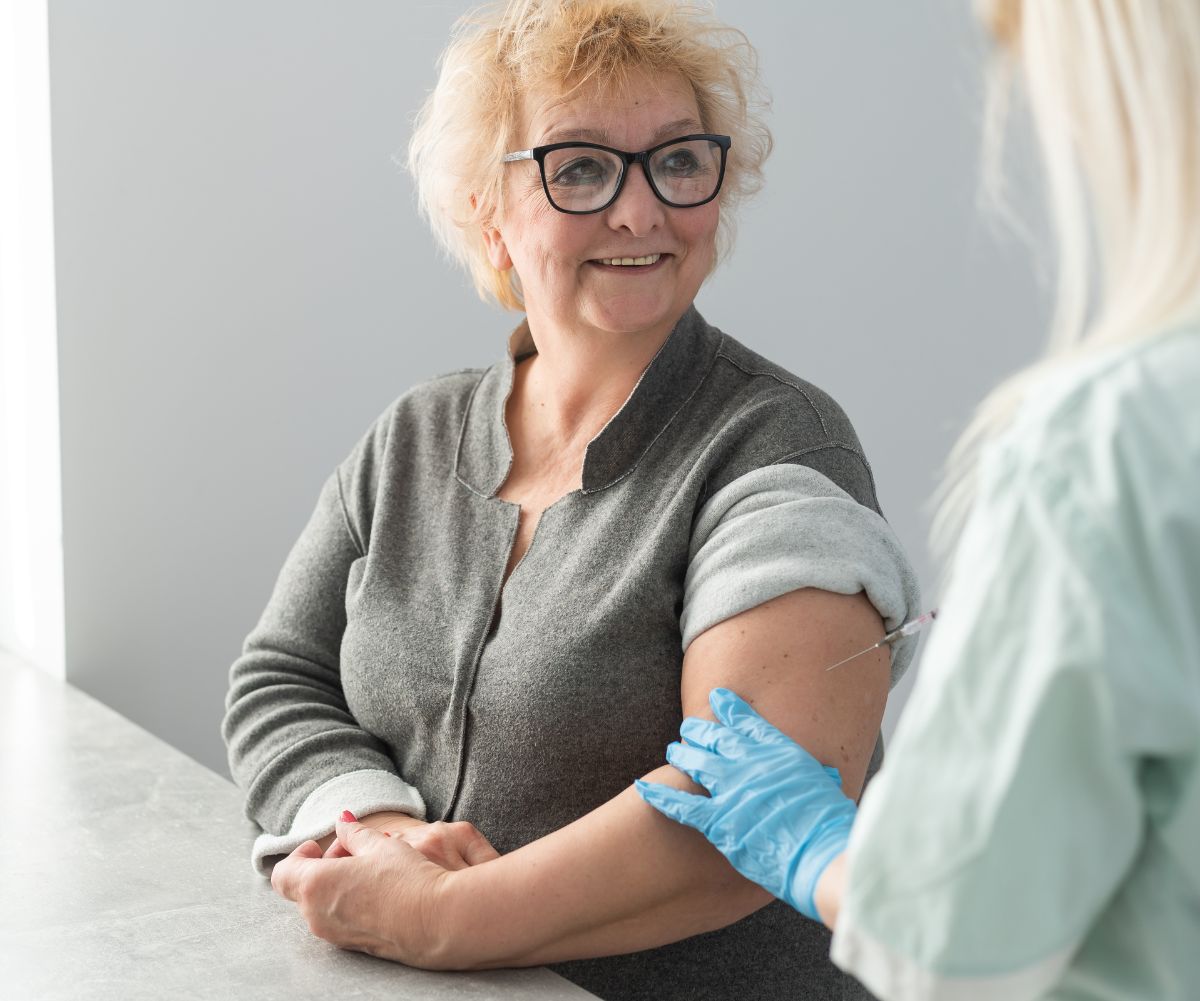
Vaccines play a crucial role in protecting us from various illnesses throughout our lives. As we age, the types of vaccines we need may change to address new health concerns and risks. According to Chief Pharmacist Brenton Hart at TerryWhite Chemmart, adults should stay up to date with annual flu vaccinations, receive a tetanus-whooping cough booster every 10 years, and ensure protection against measles, mumps, rubella, and HPV if they missed these earlier in life.
Covid vaccination may also be considered, while shingles and pneumococcal vaccines become increasingly important as we grow older. Each individual has unique health circumstances that can influence vaccine recommendations, and pharmacists can help tailor these to suit your specific health and life stage.
Influenza: Annual Protection for All
Everyone over six months of age is eligible for an annual influenza vaccine. It is recommended to get the shot in April or May to ensure maximum effectiveness when the flu season peaks. Each year, the vaccine is designed to protect against the most common strains of the virus.
In addition to limiting the spread of the flu, the vaccine helps prevent serious illness. Vulnerable groups include babies, children, the elderly, people with chronic health conditions, and pregnant women. Getting vaccinated not only protects the individual but also contributes to community immunity.
Respiratory Syncytial Virus (RSV): A Common Threat for Children
RSV is one of the most common causes of respiratory infections in children. It is highly contagious and can lead to serious illness and hospitalization. Symptoms include coughing, a runny nose, wheezing, and sneezing.
Children under one year old are particularly at risk of developing bronchiolitis or pneumonia due to RSV. Older adults, pregnant women, and those living with certain health conditions are also advised to get the RSV vaccine, which can help prevent the illness from becoming life-threatening.
Pertussis (Whooping Cough): A Serious Risk for Babies
Pertussis, or whooping cough, is a highly contagious disease that poses serious risks, especially for babies and young children. Nine out of 10 unvaccinated individuals will contract whooping cough if exposed to someone with the infection.
The following groups are recommended to receive the pertussis vaccine:
- Pregnant women (for every new pregnancy)
- Babies aged six weeks, four months, six months, and 18 months
- Children aged four
- Adolescents aged 11-13 (may be offered through your state’s School Vaccination Program)
- Adults every 10 years, especially those caring for babies and small children, working in healthcare or childcare, and anyone over the age of 50
Other Important Vaccines: Beyond the Basics
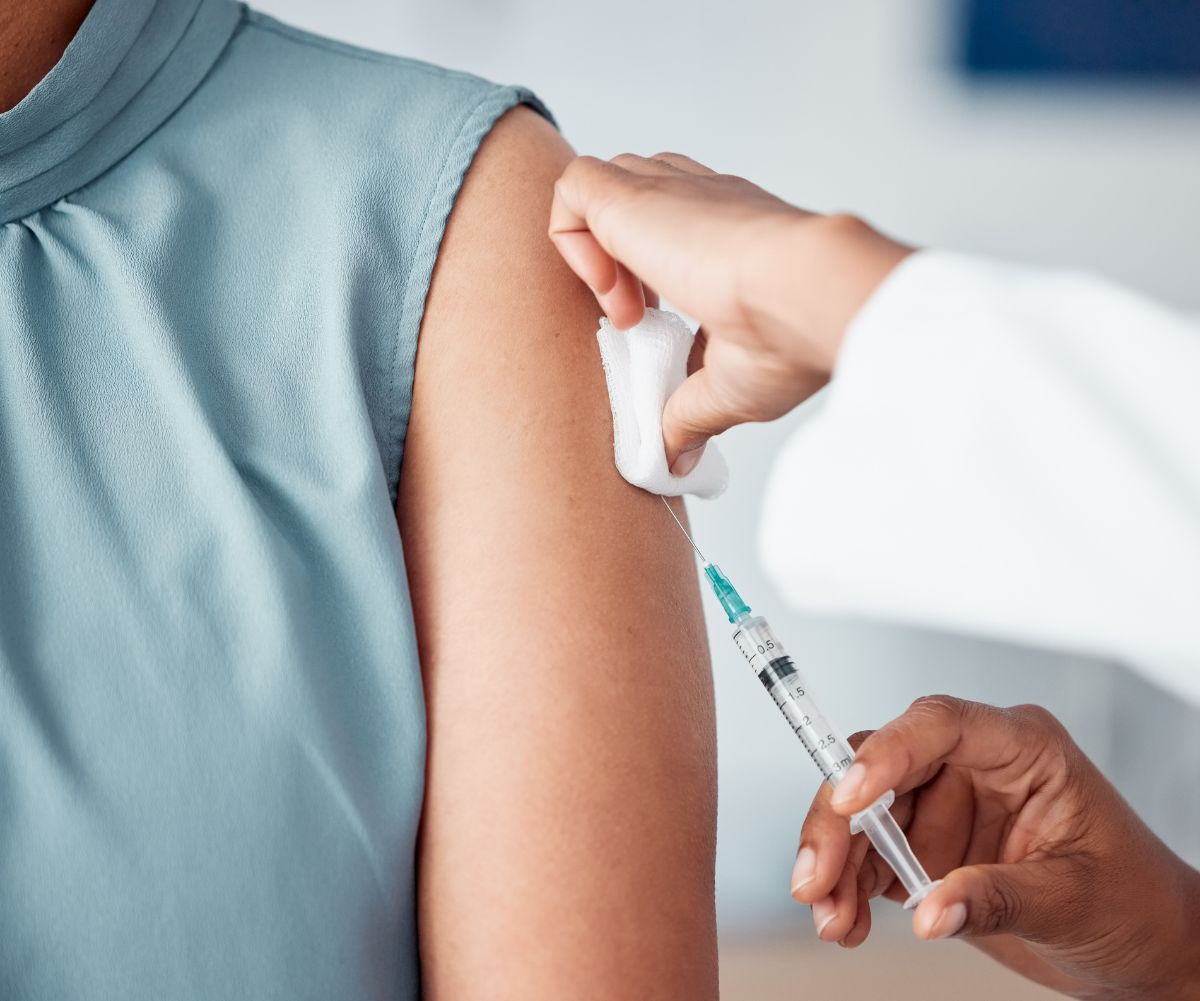
There are several other vaccines that are essential for different age groups and health conditions. It is advisable to consult your GP or pharmacist for more information on these vaccines and how to access them.
- Human papillomavirus (HPV) – May be offered within the School Vaccination Program, aged 12-13
- Meningococcal ACWY – May be offered within the school immunisation program, aged 14-16
- COVID-19 – Annual boosters recommended for adults over the age of 18
- Shingles – Recommended for all those aged over 50
The National Immunisation Program: Free Vaccinations for Eligible Australians
The Australian Government’s National Immunisation Program (NIP) provides free vaccinations against certain diseases. These vaccines are available at no cost if you are eligible, although your vaccination provider may charge a fee.
For more information, visit health.gov.au or speak to your GP or pharmacist about vaccines.

CareClinic Consult: Winter Health Tips
Over 65? Roll up your sleeves for winter. Staying proactive with your health is essential during the colder months. The most common vaccinations discussed at the pharmacy for winter include the annual flu vaccination, which for those aged over 60 years is an “enhanced” version designed to give your immune system a stronger boost. This is often combined with immunisations to protect against pneumococcal disease, respiratory syncytial virus (RSV), and shingles.
Can I get all those at once?
Co-administration, or receiving multiple vaccinations in a single visit, is perfectly safe and effective for most people. Many CareClinic visitors choose to get their flu and Covid boosters in one go. While it saves time, pharmacists always tailor their approach to your needs. If you have a chronic condition or prefer to space things out, a schedule can be created to suit you. The goal is to ensure you are fully protected for winter with minimal disruption to your daily life.
What else can I do?
Vaccinations are a key part of your health, but they aren’t the whole story. Colder weather can affect your habits, so it’s a great time for a blood pressure check or medication review. Pharmacists can sit down with you to review your medications and ensure everything is working as intended. They also offer weight management consultations and advise on vitamin D levels, which can drop during winter. Think of your pharmacy as a health hub—whether it’s a vaccination, a quick health check, or advice on staying active in the cold, they’re here to help you navigate the season with confidence.
For more information, visit terrywhitechemmart.com.au.