Introduction to Advanced Medical Equipment at Kandy National Hospital
On April 23, the Kandy National Hospital welcomed two state-of-the-art machines that were introduced as part of a broader initiative by the Ministry of Health and Mass Media. These machines, costing a total of Rs.600 million, are part of a strategic plan aimed at enhancing the hospital’s physical resources and improving healthcare services in the region.
The Extracorporeal Shock Wave Lithotripsy (ESWL) Machine
The first machine, known as the Extracorporeal Shock Wave Lithotripsy (ESWL) machine, was valued at Rs.200 million. This advanced device is designed to treat urinary tract stones without the need for surgery or other invasive procedures. It works by using ultrasonic waves to break down the stones into smaller fragments, which can then be expelled through urine.
This treatment method had been temporarily halted due to the malfunction of the previous machine. However, with the introduction of this new ESWL machine, the hospital is now able to provide more effective and safer treatments. The NHK Urology Unit will benefit from this technology, as it allows for precise targeting of stones within the urinary system. The use of ultrasound waves minimizes damage to surrounding tissues, reducing complications and improving the patient’s quality of life. Patients undergoing treatment with this machine can often leave the hospital on the same day.
Additionally, the replacement of the Urology Day Treatment Centre is expected to help reduce long waiting lists for these essential services. This improvement will allow more patients to receive timely care, enhancing overall efficiency and accessibility.
The Digital Subtraction Angiography (DSA) Machine
The second machine, the Digital Subtraction Angiography (DSA), is valued at Rs.400 million and represents a significant advancement in diagnostic and therapeutic technologies. This state-of-the-art equipment is used to treat a variety of conditions, including vascular diseases and cancer.
The DSA machine utilizes radiographic imaging to accurately locate areas of disease within the body. Once identified, the condition can be treated using a catheter inserted through a small incision. This approach allows for targeted treatment of diseases such as cancer, minimizing damage to healthy tissue and reducing the risk of complications for the patient.
This non-invasive method not only provides convenience but also proves to be cost-effective compared to traditional surgical interventions. The DSA Unit at Kandy National Hospital is now equipped to offer these advanced services, significantly improving the range of treatments available to patients.
Key Personnel Present at the Inauguration
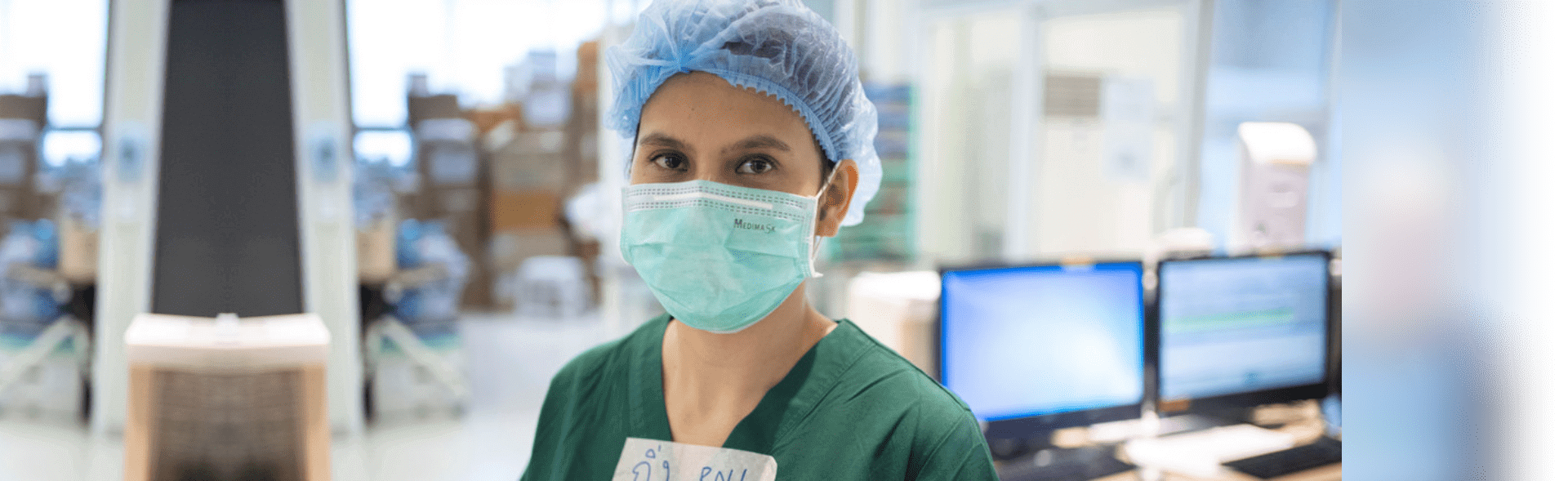
The inauguration event was attended by several key figures, including Dr. Iresha Fernando, the Director of Kandy National Hospital, and Deputy Director Ravindra Weliwita. Retired Specialist Dr. Sunil Samaraweera, along with specialists Manjula Herath, Sohan Perera, and Ganganath Rodrigo, were also present. A group of medical professionals, including doctors, nurses, and radiology technicians, participated in the event, highlighting the collaborative effort behind this technological advancement.