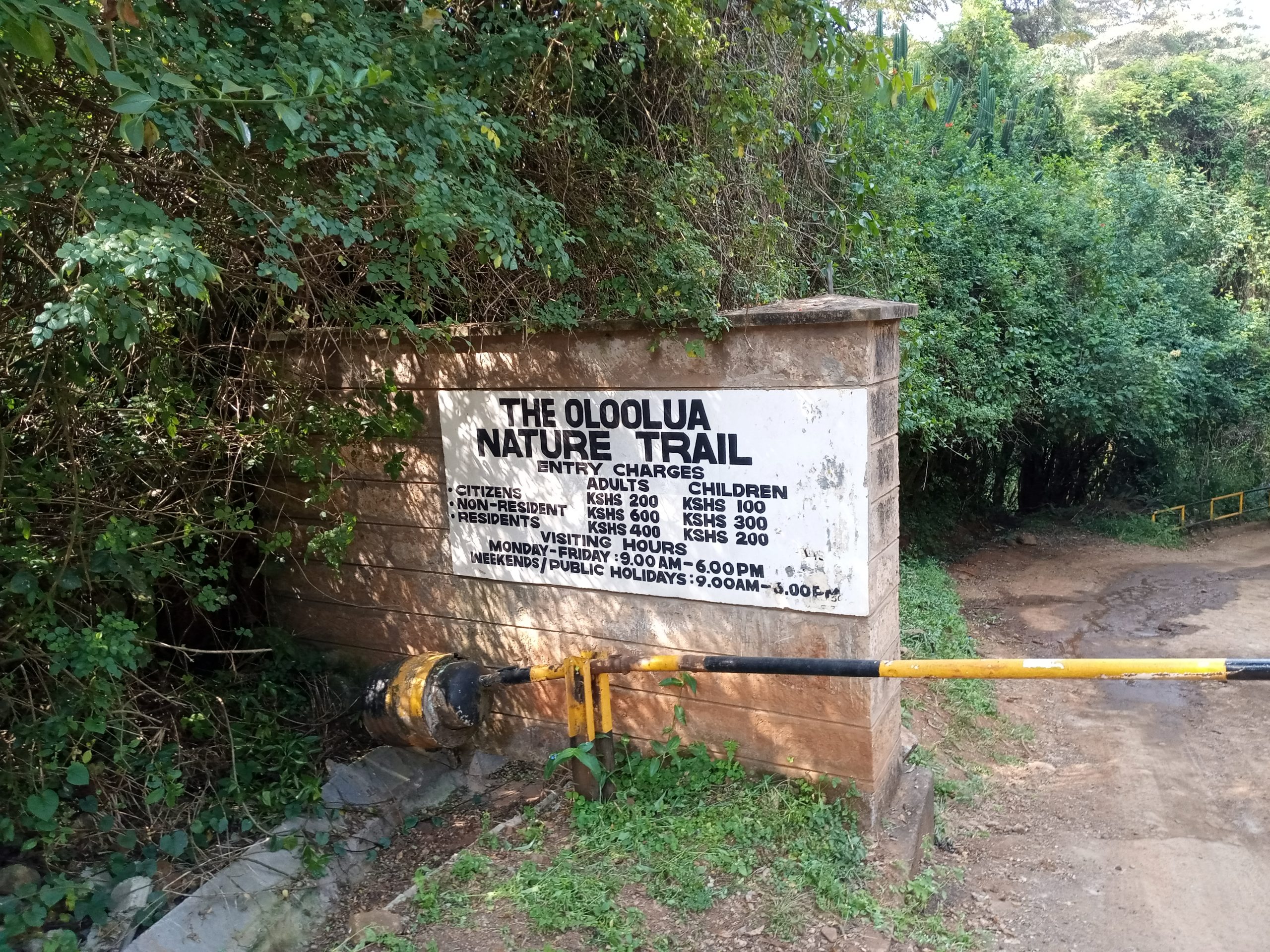
A New Initiative for Oloolua Forest Conservation
Thousands of Kenyans participated in a conservation run at Oloolua Forest on Saturday, marking the launch of a new restoration and community livelihoods program aimed at protecting the ecosystem from encroachment and degradation. The event was attended by government officials, environmental stakeholders, and members of the public who came together to support the initiative.
The program was officially launched by Principal Secretary for the National Treasury, Chris Kiptoo, who flagged off the “Run for Oloolua Forest” event. This initiative is part of a broader conservation drive that combines environmental protection with community-based development. It also included a tree-planting exercise involving 10,000 seedlings to restore degraded sections of the forest.
The initiative, led by Principal Secretary Ephantus Kimotho, aims to protect one of the region’s key ecological and eco-tourism assets while addressing increasing pressure from human activity and urban expansion. Kimotho emphasized the importance of the program during the event, stating, “Together, we run not just for today — but for the future of our forests.”
Key Participants and Collaborations
The event brought together senior government officials, including Festus K. Ng’eno, Korir Sing’oei, and Patrick Mariru, along with members of the public and environmental stakeholders who actively participated in the run. The collaboration between different sectors highlights the importance of collective action in environmental conservation.
In addition to the run, the program introduces sustainability interventions based on circular economy principles. These include:
- Waste segregation systems within the forest
- Promotion of reusable materials
- Partnerships aimed at recycling plastic waste to reduce pollution
These measures are designed to create a more sustainable environment while minimizing the impact of human activity on the forest.
Livelihood-Focused Interventions
Beyond conservation efforts, the initiative incorporates livelihood-focused interventions targeting communities living around the forest. These include access to clean energy technologies such as solar lighting and energy-efficient cookstoves, which aim to reduce reliance on firewood.
Farmers in the surrounding Ngong area are also expected to benefit from climate-smart agriculture support, including:
- Drip irrigation
- Agroforestry
- Improved soil management practices
These practices are intended to boost productivity while protecting the environment.
Broader Impact and Alignment with National Goals
Officials stated that the program is projected to benefit about 1.5 million people, including roughly 300,000 households, through improved water access, better air quality, expanded eco-tourism opportunities, and strengthened livelihoods.
The initiative aligns with the government’s national climate agenda, spearheaded by President William Ruto, which targets the planting of 15 billion trees as part of Kenya’s environmental restoration strategy. This ambitious goal underscores the country’s commitment to combating climate change and preserving its natural resources.
Success Factors and Future Outlook
Authorities emphasized that sustained funding, strong partnerships, and community participation will be key to the success of the program. The initiative is expected to serve as a model for urban forest conservation in Kenya, demonstrating how environmental protection can go hand in hand with community development.