Llama Farm Faces Devastation After TB Outbreak
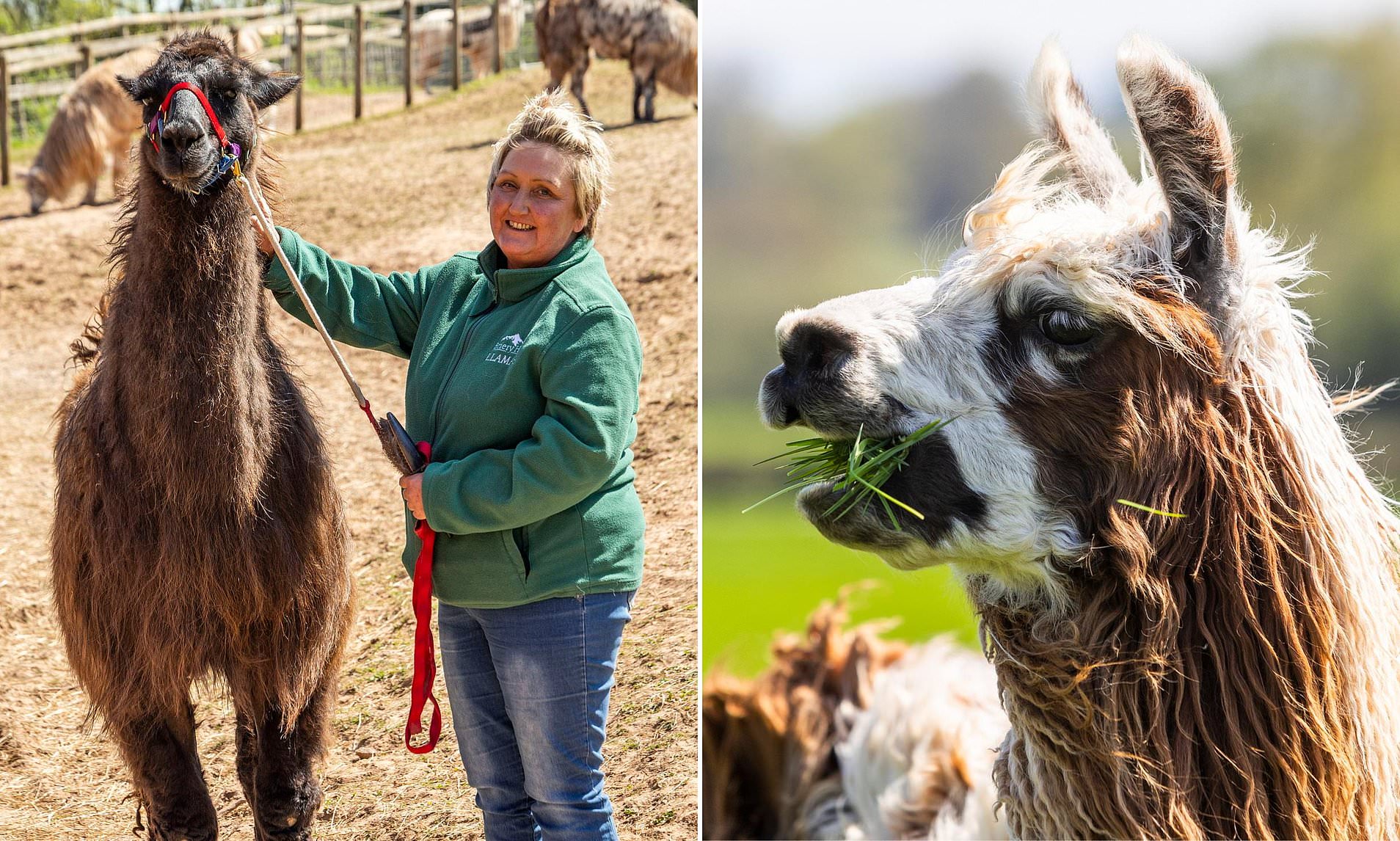
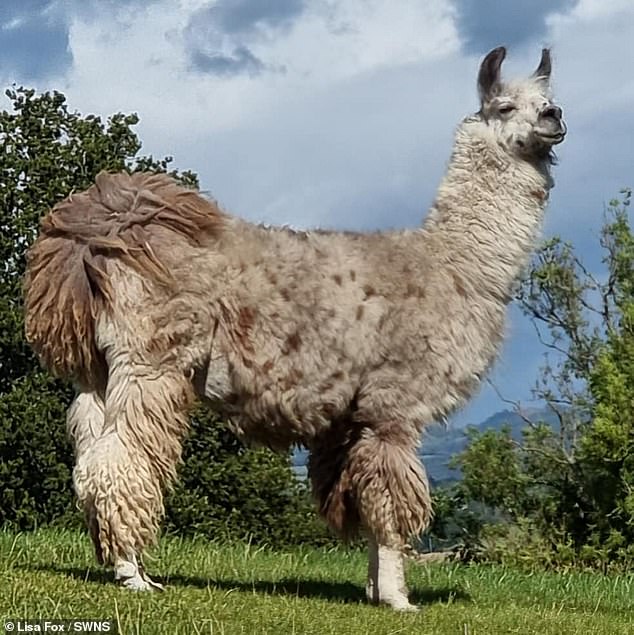
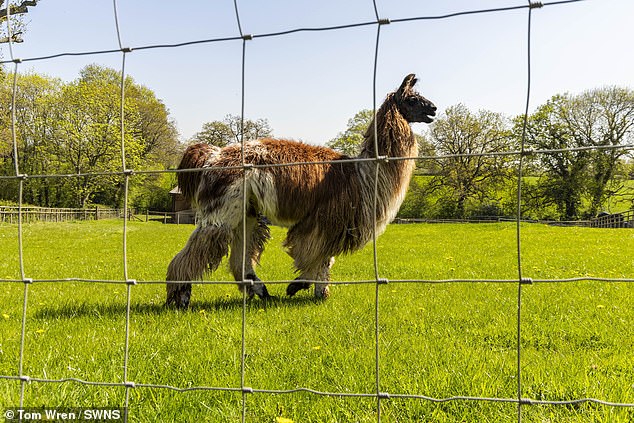
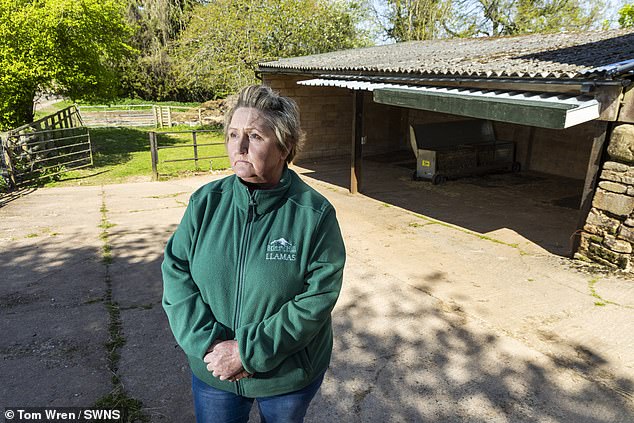
A British farm in Gloucestershire has experienced a heartbreaking situation after seven llamas were euthanized due to an outbreak of tuberculosis (TB). The incident has left the owner, Lisa Fox, deeply affected and struggling to keep her business afloat.
The outbreak began when a llama named Stardust fell ill and passed away. A post-mortem examination revealed that he had been suffering from TB, prompting immediate action from the Animal and Plant Health Agency (APHA). Further testing on the farm showed that seven more llamas were infected, leading to their humane euthanasia.
Currently, 27 other llamas are in isolation while awaiting tests to determine if they have the disease. If the results come back positive, these animals will likely be culled as well. TB is a chronic and infectious respiratory disease that affects mammals and is caused by bacteria known as Mycobacterium tuberculosis.
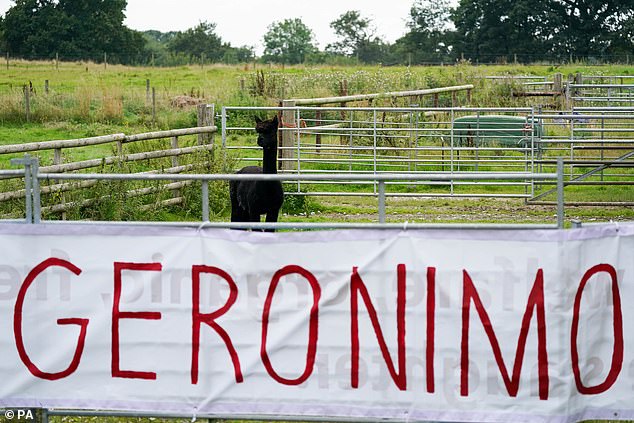
This event echoes a similar incident five years ago involving an alpaca named Geronimo. Known as the “doomed alpaca,” Geronimo was eventually euthanized despite efforts by his owner, Helen Macdonald, to save him. The legal battle surrounding Geronimo captured national attention and highlighted the challenges faced by farmers dealing with TB outbreaks.
Lisa Fox described the impact of the current situation on her family and business. She stated that the loss of eight llamas has left her unable to operate her farm, which relies heavily on trekking and therapy activities with llamas. The farm also houses pigs and cows, which have now been tested for TB.
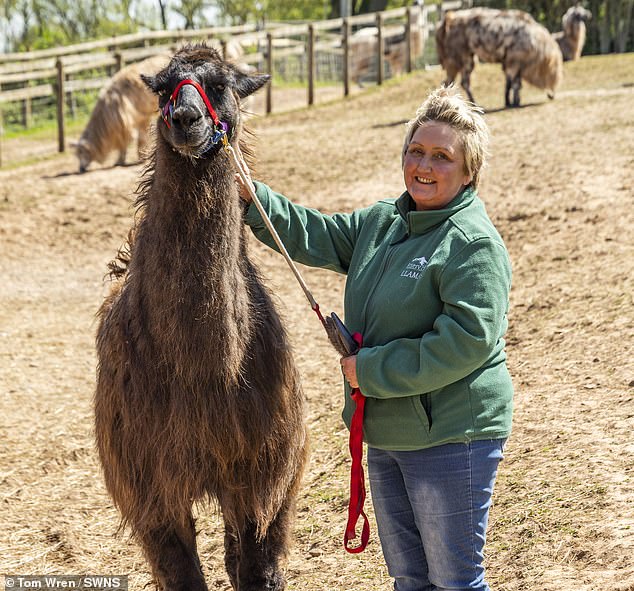
Fox emphasized the emotional toll of the outbreak, noting that the experience has been like living in a nightmare. She expressed frustration over the lack of government support, stating that compensation provided for culled animals does not cover veterinary bills or financial losses incurred.
The vet bill for Stardust alone totaled nearly £15,000, and Fox mentioned that the compensation offered by APHA does not even cover this cost. Additionally, she pointed out that the compensation does not account for the time, breeding, expertise, and care invested in the animals.
To mitigate the risk of further spread, Fox has had to borrow money from relatives to install electric fencing. She noted that the financial strain is immense, and the future of her business remains uncertain.
Until the TB testing process is complete, Fox cannot offer her usual services, such as llama trekking and afternoon tea. The public is required to maintain a distance of three meters from the llamas, which significantly impacts her business operations.
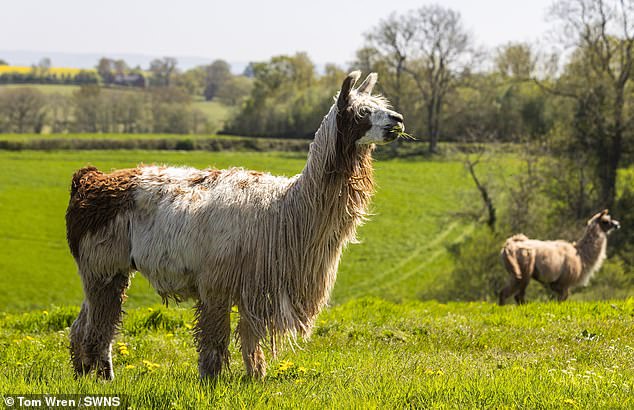
Fox is currently waiting for a skin test on the isolated llamas, followed by a blood test 10 days later. However, the testing process can take up to 30 days, and even if the results are negative, there is a 90-day waiting period before re-testing can occur. If the results are positive, the llamas will be euthanized.
Fox expressed the need for changes in the testing procedures, suggesting that the waiting period should be reduced to 60 days. She also highlighted the emotional impact of losing her animals, who brought joy and happiness to many people.
During the COVID-19 pandemic, businesses received government grants, but Fox feels that her farm is being left without support. She emphasized the importance of government assistance for farmers facing similar situations.
Defra has stated that the rapid removal of infected animals is crucial for containing the disease and protecting other livestock. They acknowledged the difficulty of such situations and expressed sympathy for those affected by bovine tuberculosis.
The government provides compensation for animals removed for TB control purposes. However, Fox believes that more support is needed to help farmers navigate these challenges.