The Legacy of Portraiture and the Archibald Prize
Perhaps I should have taken the warning of John Singer Sargent more seriously. He was one of the most celebrated portrait painters of the late 1800s, known for his exceptional skill and ability to capture the essence of his subjects. However, he once remarked that every time he painted a portrait, he lost a friend. As I stood in the studio of one of my closest friends, awkwardly posing for an entry into the Archibald Portrait Prize for 2026, I hoped Sargent was wrong.
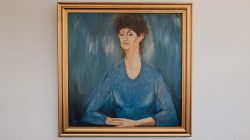
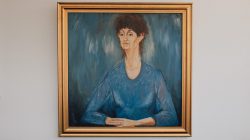
I also recalled that Sargent had mentioned that a portrait wasn’t just about capturing a likeness. That made me wonder what I had gotten myself into. It turns out, I need not have worried: the portrait of me by contemporary artist Stieg Persson has been shortlisted for the Archibald Prize.
The Archibald Prize: A Celebration of Art
The Archibald Prize is often described as the Mardi Gras of Australian visual art. Held at the Art Gallery of New South Wales, it’s the only time the nation collectively pays attention to painting. Remarkably, this attention is focused on a competition rooted in the traditional practice of portrait painting.
Since its inception in 1921, when JF Archibald, the editor of the Bulletin, founded the prize, the trustees of the AGNSW have awarded the best portrait of a “distinguished figure from art, letters, science or politics.” The competition has strict rules: works must be started and completed within a specific timeframe, and they must be painted “from life,” meaning the subject must stand in front of the artist for as long as needed.
The Evolution of Portraiture
With the rise of smartphones and digital photography, one might question the relevance of painted portraits. However, the Archibald Prize continues to draw significant interest. I had been painted for the Archibald before, back in the early 2000s, by another old friend, the artist John Campbell. That attempt was politely declined but ended up in the “rejection” exhibition, the Salon des Refuses.
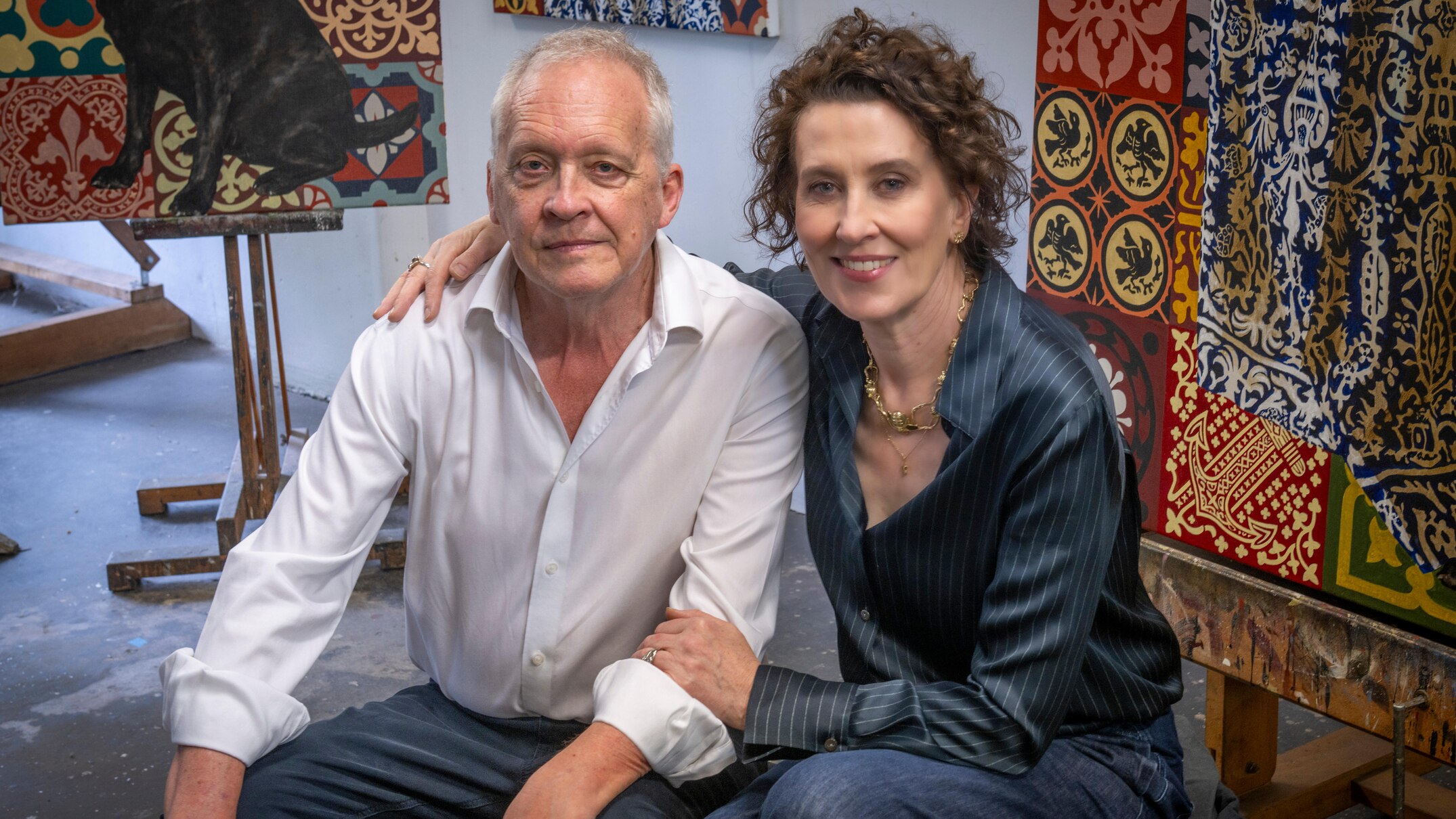
This time, the process took much longer. My friend, the artist Stieg Persson, and I had discussed the idea of an Archibald entry for many years. Both of us are fascinated by the traditions and language of portraiture—subject, composition, light, and meaning. We are also intrigued by the complex relationship between the painter and the sitter, which often involves favor and flattery.
The Influence of Great Masters
Sargent, along with other 19th-century greats, is one of our favorites. His work combined immense delicacy and careful touch with a keen psychological realism. Although he claimed to only paint what was in front of him, his portraits often revealed the underlying desires and aspirations of his subjects.
The rich and powerful of London, Paris, and New York commissioned Sargent for works of beauty and flattery, and that’s what they received. Yet, their portraits inadvertently became visual essays on their pursuit of taste, class, and standing.
The Enduring Appeal of Portraits
But what is the point of a painted portrait now, when an iPhone can provide a more flattering image than even the shrewdest court artist could? According to Rachel Griffiths’ excellent series on the Archibald Prize, there is something about the interaction between the artist and the sitter—a vulnerability, a trust, and a declaration—that continues to attract Australians year after year.
Visitors often marvel at the skill of photo-realist painters, wondering how they make paint look like a Polaroid. Others seek to see if any undisclosed truth is revealed in the portrait of their favorite celebrity. Despite thousands of years of artistic evolution, the painter’s skill remains a thing of wonder.
The Experience of Being Pictured
On my first visit to the studio, I was taken aback by the stack of new canvases Stieg had prepared. These smaller formats were studies for the final, large canvas: attempts at bits of head and back, several versions of Cora, tests with techniques of color and glazing. This was going to be a lot of work.
My job was simply to stand and project… what? I tried to assume some sort of air, a feeling of presence and dignity. But after a while, you completely forget what your face is doing and just fall into reverie. Maybe that’s the artist’s skill: waiting and watching for that moment.
It is an undoubtedly romantic feeling, standing still and listening to the almost silent brushstrokes, knowing that every great portrait you can think of started this way.
A Unique Portrait
I love that Stieg captured my dog Cora’s customary look of bewilderment, and that the picture celebrates many aspects of Melbourne in one frame, including a design by the Melbourne-born couturier, Martin Grant.
The work now sits in the exhibition alongside people I know and want to know. It will tour regionally after several months in Sydney. Go and see the show, pick a favourite, and widen your eyes before a format that a six-inch screen could never hope to match.
A Weekend of Art and Reflection
This weekend, let’s remain in art mode with a couple of terrific reads on some well-known street art and a possible art fraud.
Have a safe and happy weekend; this is what I’ll be playing as I dance around the room with my reluctant dog Cora, in just a little celebration of an age-old tradition. Go well.