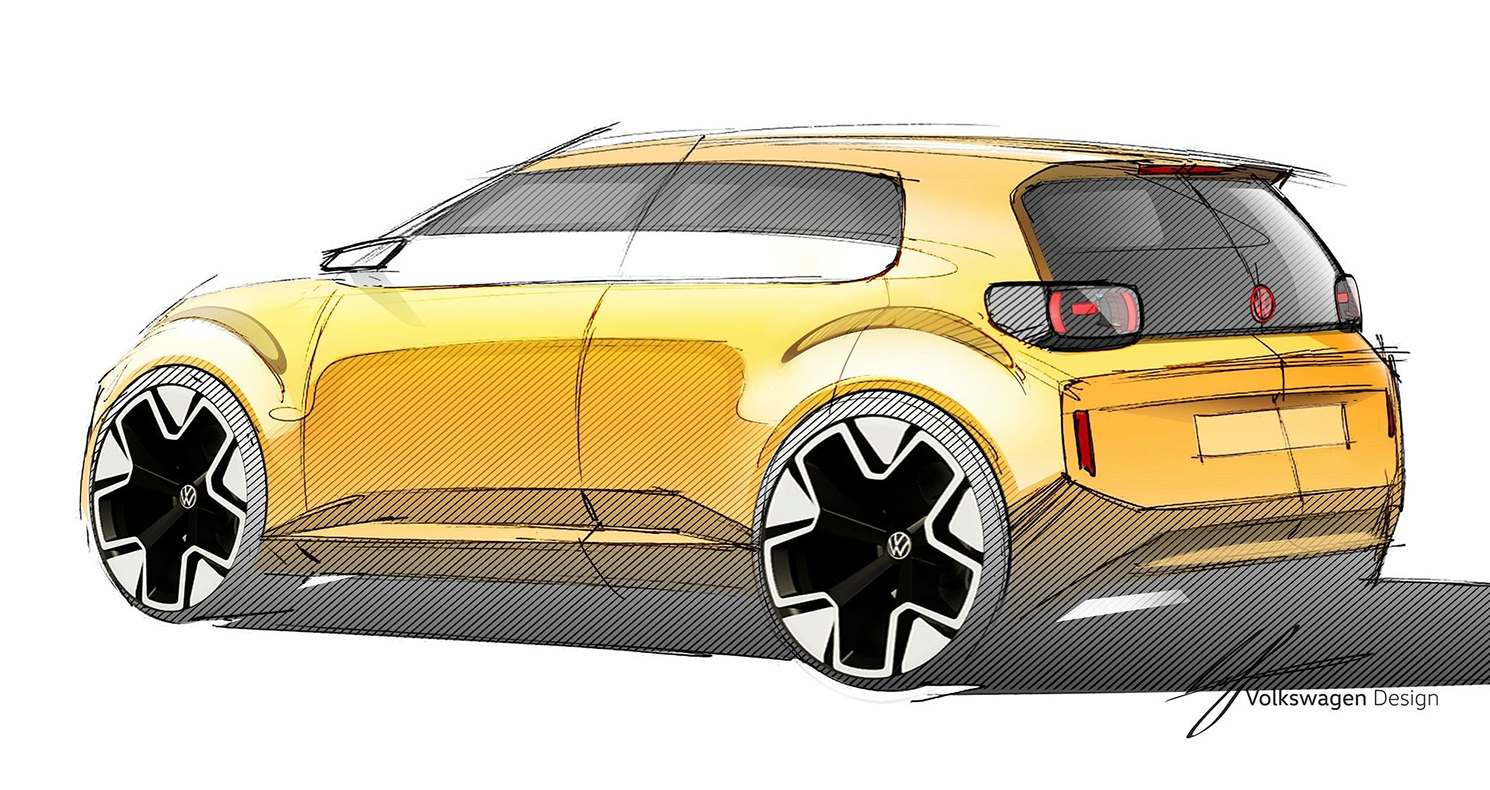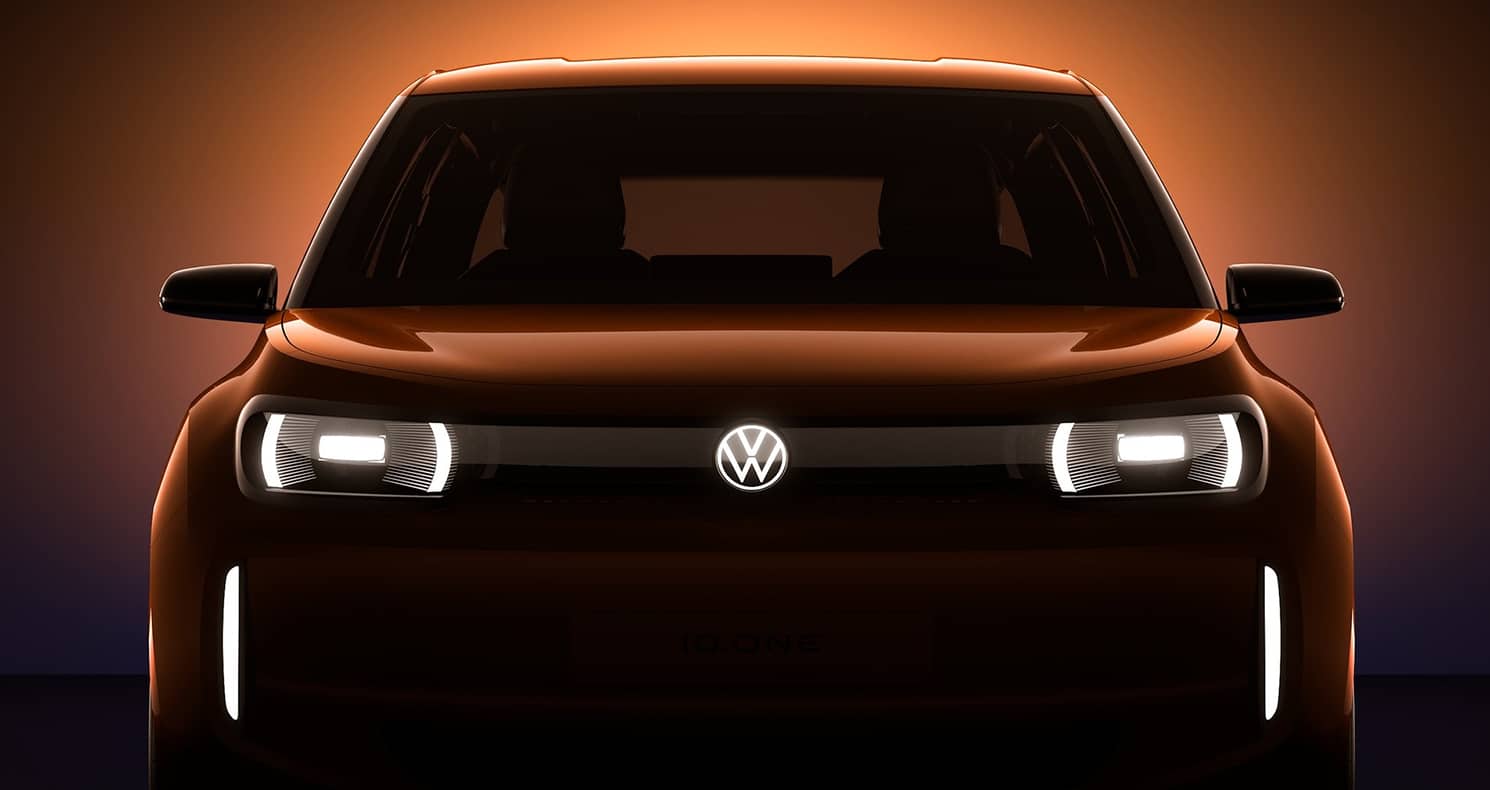
Volkswagen’s global CEO, Thomas Schäfer, has revealed that the electric version of the company’s next-generation Golf 9 will be delayed beyond its original 2028 launch date. This announcement comes after a series of recent developments regarding the future of the iconic hatchback.
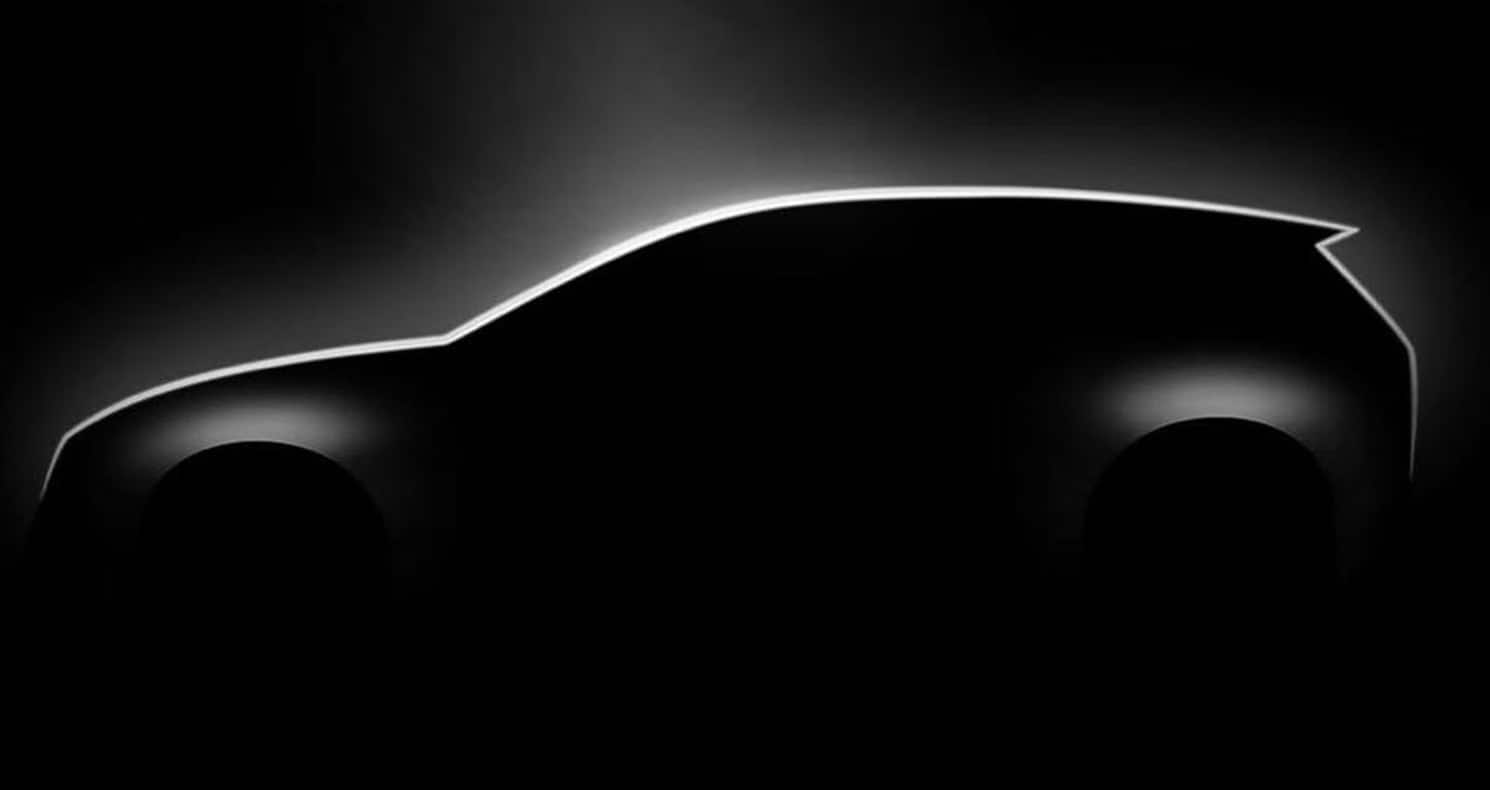
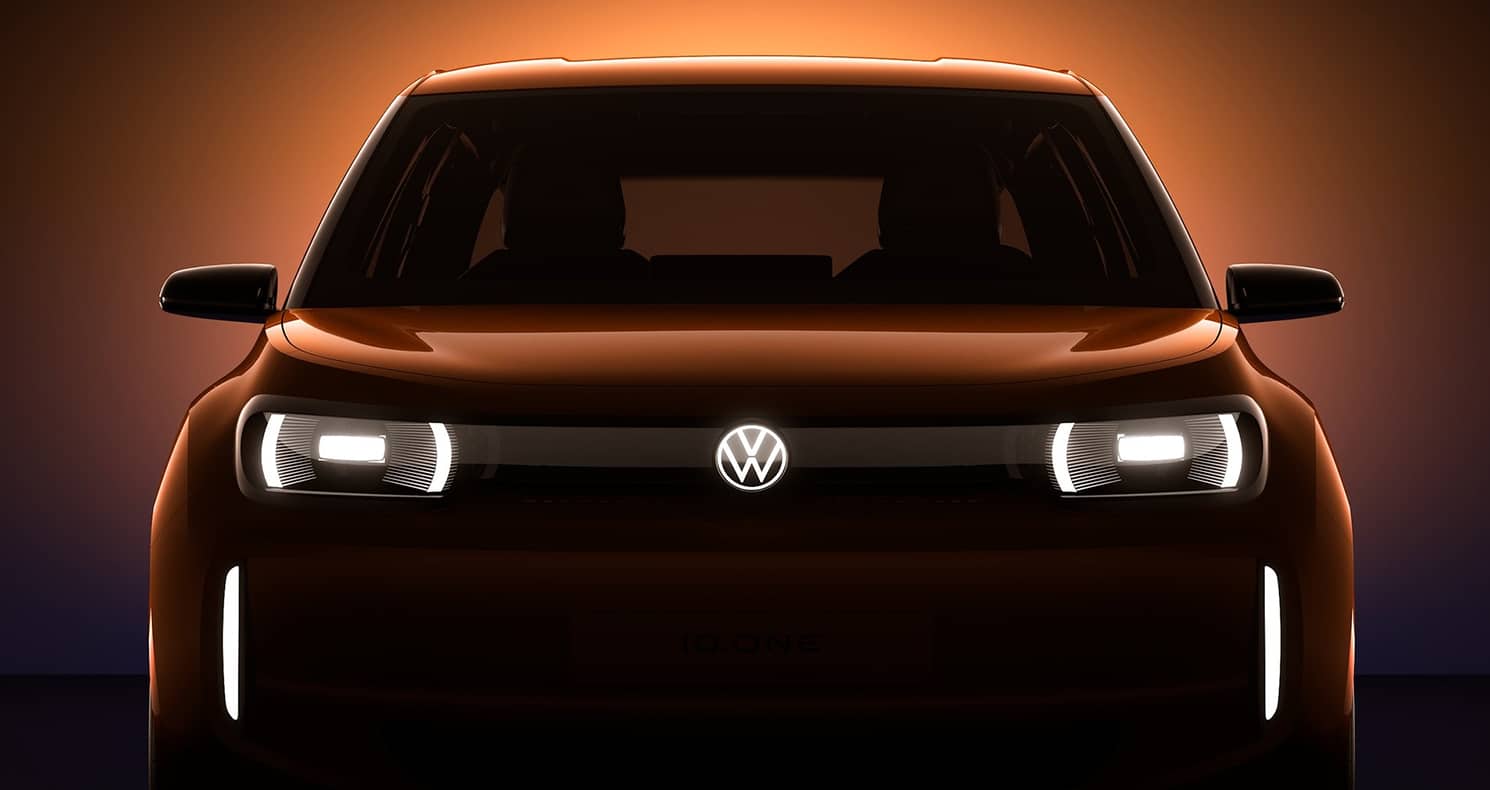
As recently as March this year, reports indicated that VW AG Chairwoman of the General and Group Works Council, Daniela Cavallo, had mentioned a potential shift in production for the internal-combustion Golf from Wolfsburg, Germany, to the Puebla plant in Southern Mexico. She also emphasized that this move was intended to create space for a ninth-generation, pure-electric ID.Golf to be produced in Germany. A teaser silhouette image of the upcoming model was shared during these discussions.
The next-gen Golf has been teased in various ways, including a silhouette image that hints at its design before it faces competition from models like the Toyota Corolla, Honda Civic, and Mazda 3.
Other reports have suggested that Volkswagen is working on an electric version of the Polo, known as the ID. Polo Clubsport, which could serve as a high-performance alternative to the Hyundai i20N and GR Yaris. Additionally, an electric variant of the Polo is expected to be unveiled in 2026, competing with models such as the Zeekr X, Renault Megane E-Tech, and MG4 EVs.
At the Financial Times Future of the Car Summit in London, Schäfer confirmed that the electric Golf might not debut until the end of the decade. He stated, “We have a fantastic line-up now that we do not need an electric Golf in 2028. We are well set with what we have in our portfolio with our vehicles.”
Schäfer was part of a panel featuring over 90 speakers, including Stellantis CEO Antonia Filosa, Nissan CEO Ivan Espinosa, and Ford Europe President Jim Baumbick. During his remarks, he provided an update on the VW Group’s new 800V Scalable Systems Platform (SSP), which is expected to bring price parity between internal combustion engine (ICE) and electric vehicle (EV) models.
He explained the rollout strategy for the SSP, saying, “We will roll it out across the brands. We will start with the premium brands first. It will start with Audi, then Porsche, then us and on and on.” While the timeline may seem lengthy, Schäfer highlighted the importance of scale in achieving margin parity in the automotive industry.
This delay could also be linked to VW Group CEO Oliver Blume’s earlier announcement of a planned 20% reduction in costs across all brands by the end of 2028. According to reports, this cost-cutting measure was introduced in response to falling profits caused by higher input costs, a softening Chinese vehicle market, increased competition from Chinese brands, and US tariffs.
A detailed report by Manager Magazin highlighted that Blume and group CFO Arno Antlitz presented a “massive” savings plan during a closed-door meeting with top executives in Berlin in mid-January. One insider predicted even more drastic measures than those already announced, which include cutting around 35,000 jobs by 2030. The report also suggested that plant closures could be part of these changes.