Introducing Lepas: Chery’s Ambitious New Brand
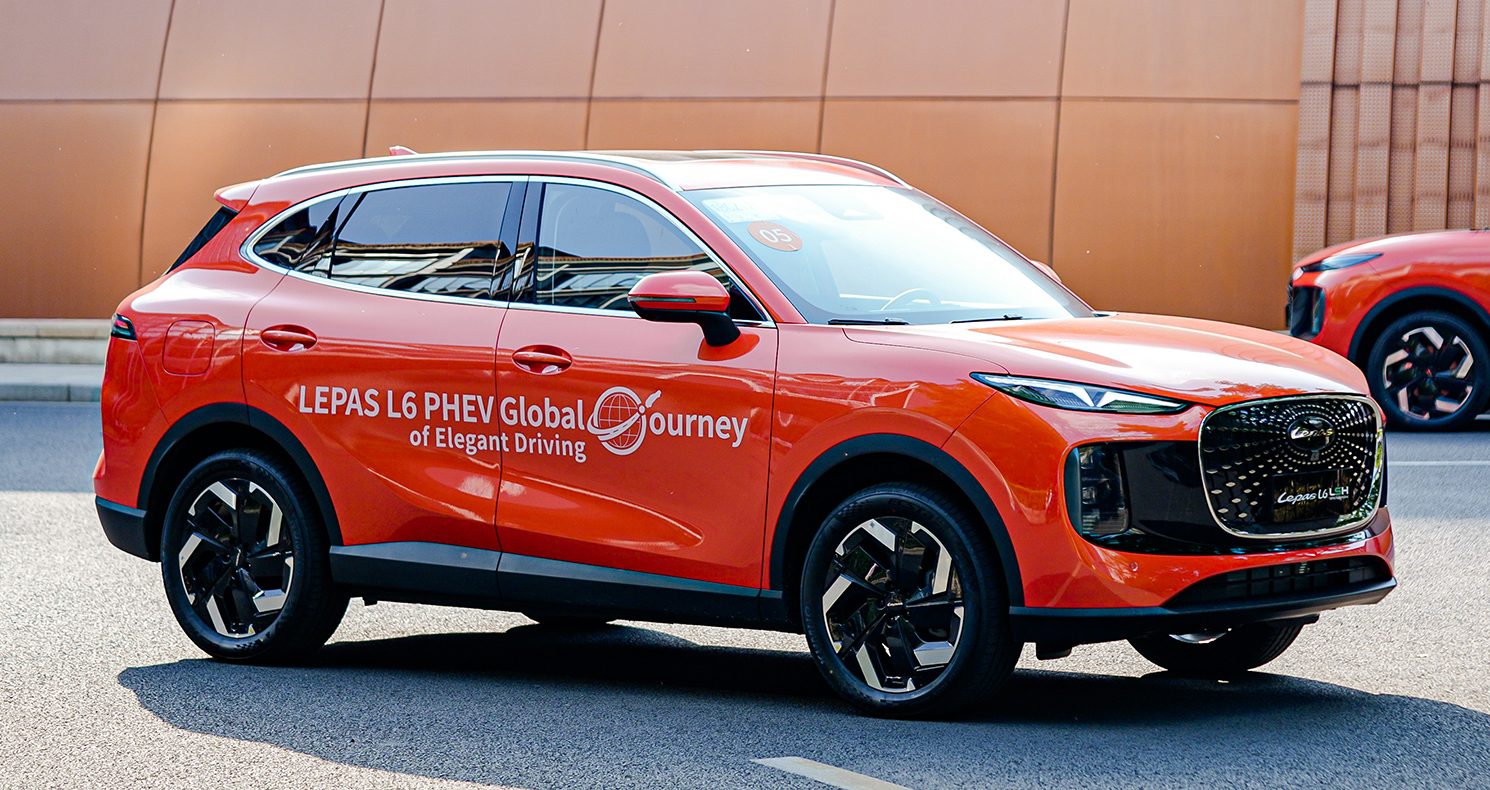
Chery is setting its sights high with the launch of its new Lepas brand, aiming to one day rival established European luxury automakers like BMW and Mercedes-Benz. While this may seem ambitious, the company is taking a strategic approach by introducing the L6 mid-size SUV in Australia later this year. The L6 is expected to command a small premium of around five per cent over equivalent models from Omoda or Jaecoo, hoping that buyers will appreciate its European-inspired design, classier cabin, and advanced technology.
The L6 marks the debut of Chery’s new design language, tailored to appeal to European tastes. With smooth curves and a refined aesthetic, the L6 aims to stand out in a competitive market. This design philosophy is set to be carried across future Lepas models, including the 2026 L4 EV, which is essentially a rebranded version of the Chery Tiggo 5. The L4 EV is positioned as a strong contender against vehicles like the Volvo EX30 and Zeekr X.
Future Plans for Lepas in Australia
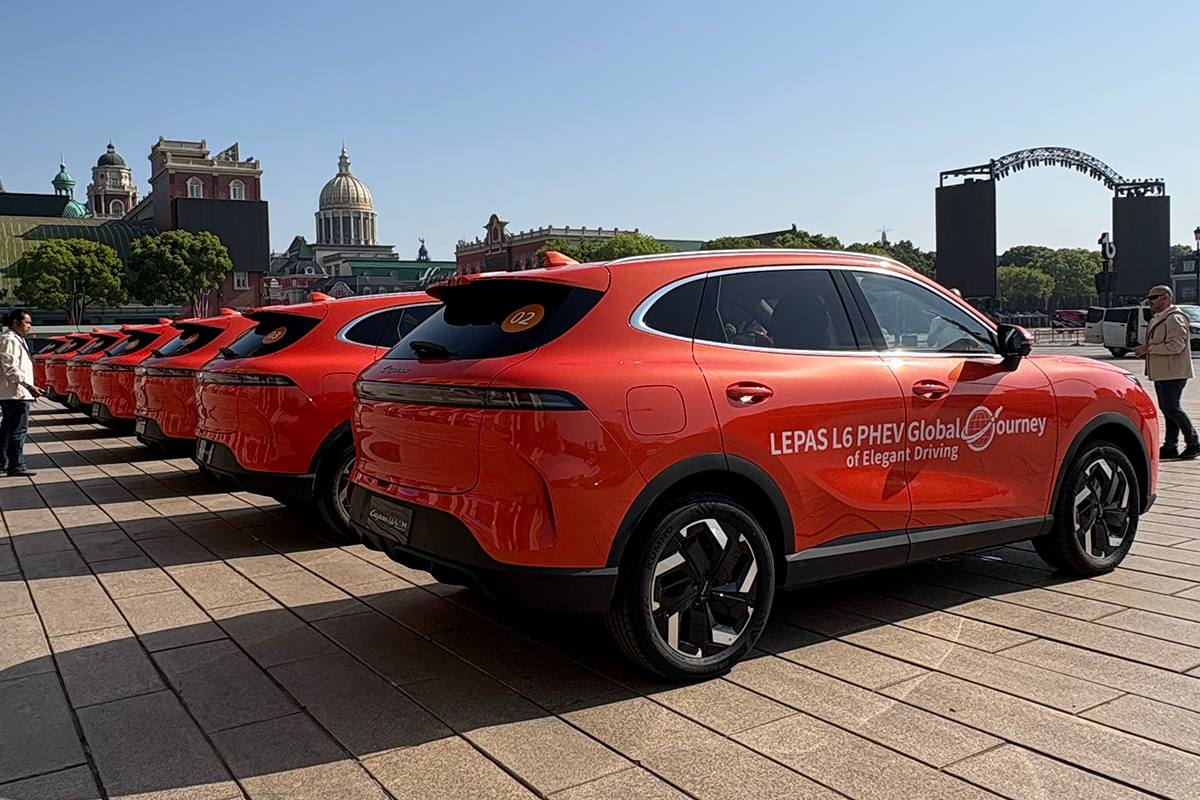
Chery has confirmed that Lepas, iCaur, and Freelander sub-brands will arrive in Australia from 2026. The company is confident that these new brands won’t cannibalize sales from its existing models. Instead, they aim to attract a different customer base. The L6 will be followed by a smaller L4 SUV in 2024, sharing powertrains with its larger sibling. Later in 2027, the larger L8 PHEV SUV will also make its way to Australia.
Unlike other Chery models, the Lepas brand will operate through its own network of dealers, ensuring a distinct identity. This separation is intended to cater to customers who seek a more premium experience.
Inside the L6: A Blend of Style and Technology
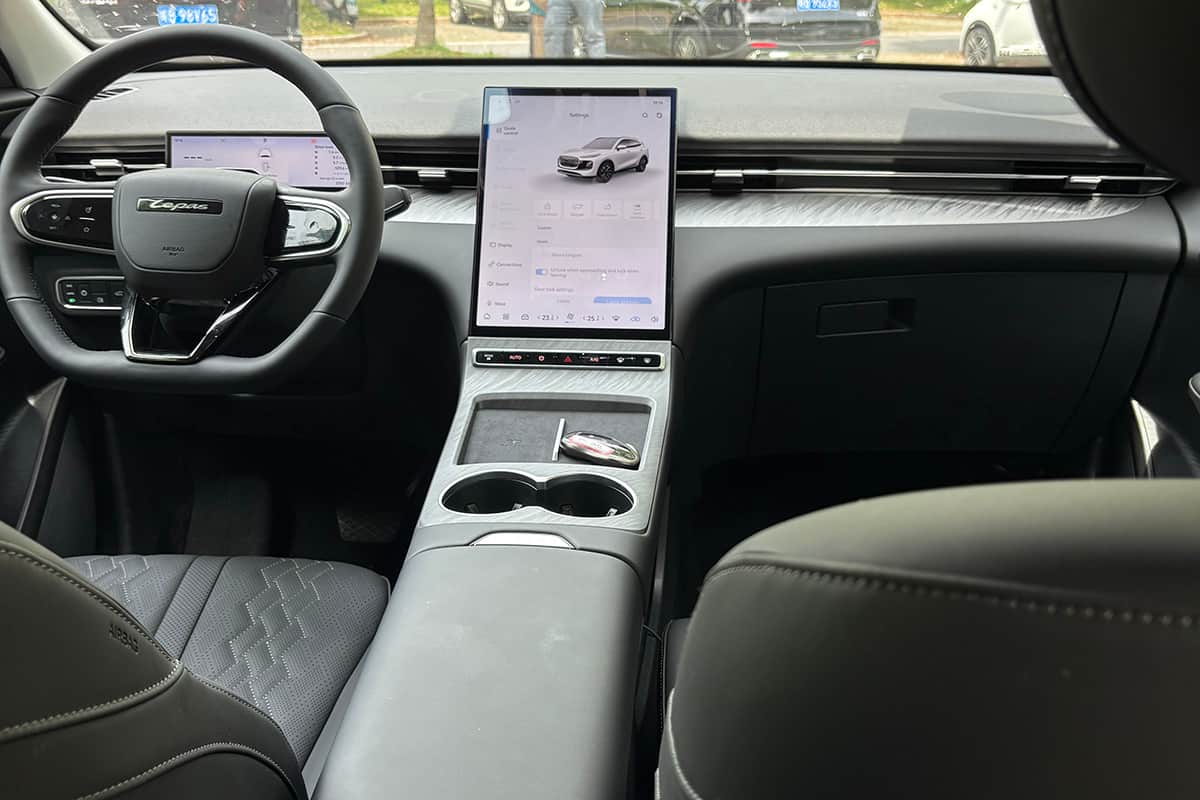
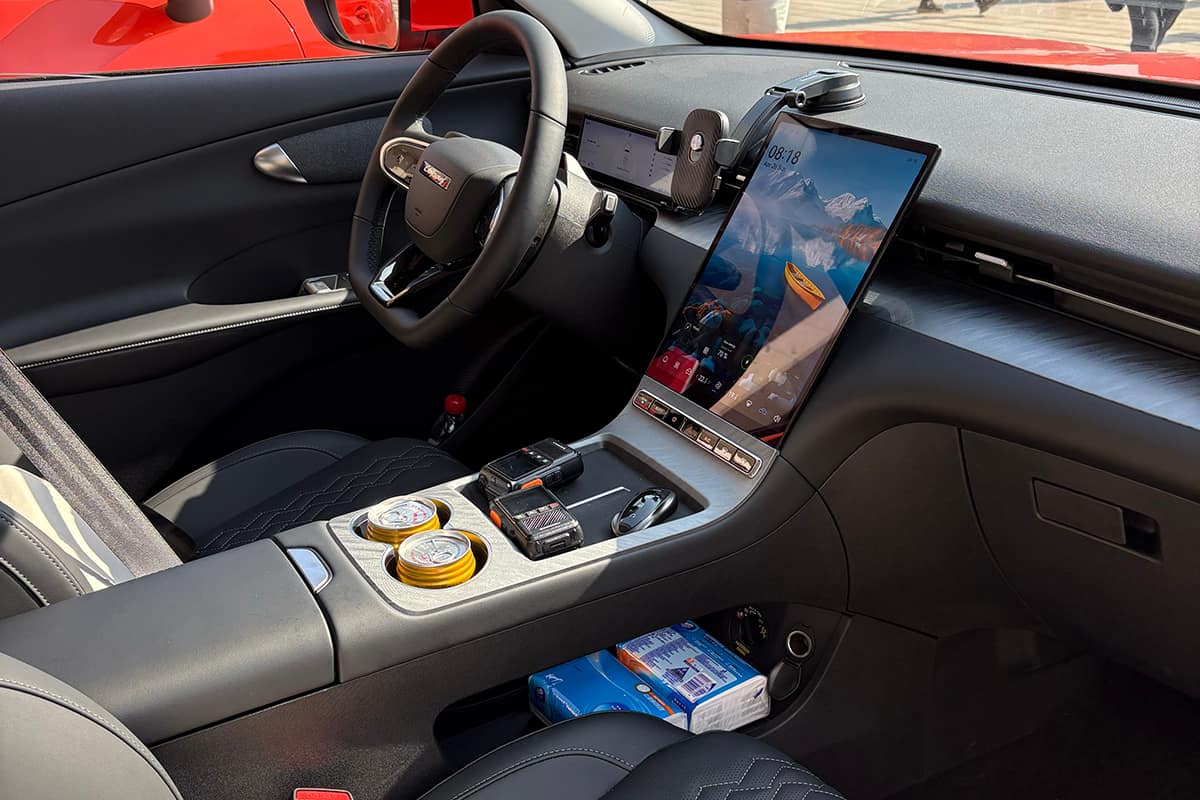
Inside the L6, the design shares hardware with the latest Jaecoo J5. It features an 8.8-inch digital instrument panel and a 13.2-inch infotainment system mounted in portrait orientation. Below the screen, there is a slim strip of shortcut buttons, a wireless charging pad, and twin cupholders. The steering wheel is sourced from Chery’s parts bin, but the dashboard architecture is new, featuring a stretch of vents from pillar to pillar.
Premium materials such as synthetic leather and a metallic-style dash finish attempt to evoke the quality found in Audi models, though they fall short. However, the L6 still feels significantly better than other Chery models. Our test vehicle featured heated and ventilated synthetic leather seats, offering comfort on long drives. There is ample space for four passengers, with rear air vents and dual USB ports for added convenience.
Luggage space is average for the class, although there is no wheel well beneath the boot floor. The electric L6 features a single motor driving the front wheels, producing 178kW and 275Nm of torque. While it offers decent acceleration, the 67kWh battery and 400-volt electrics result in a 450km WLTP range that is not groundbreaking within its class.
The plug-in hybrid (PHEV) variant of the L6 impressed with its refinement, making it difficult to detect when the small 1.5-litre petrol engine kicked in. The PHEV also delivers brisk acceleration, though some torque steer was experienced due to the front tyres struggling at times. Another issue noted was an occasional thump at higher speeds when the throttle was engaged.
Handling and Suspension: A Promising Start
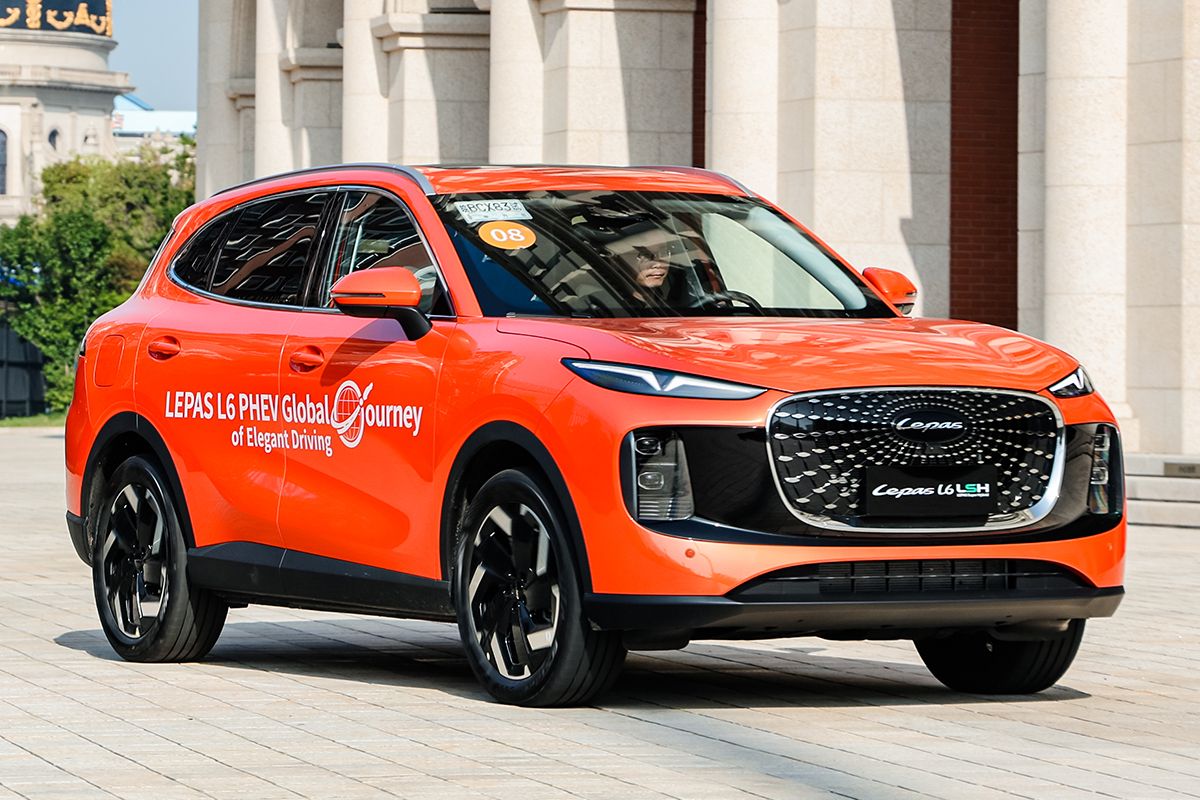
Featuring a sophisticated multi-link rear suspension, the L6 is well-equipped to compete with the best in its class. Lepas plans to offer a special European suspension tune, with potential local tuning if the SUVs receive a warm reception in Australia. In China, where roads are generally smooth, the L6’s ride and drive were difficult to fully assess. However, it felt as though engineers opted for soft springs and reactive dampers that could be unsettled by speed bumps and potholes.
The steering could benefit from more tuning, as it was overly light in Comfort mode and still lifeless in Sport. While handling balance was not thoroughly tested during our drive, we look forward to seeing how the L6 performs on Australian roads.
Driver assist technology on the L6 was unobtrusive, with lane markings clearly visible. The speed limit assist was muted, though it required navigating through multiple menus to turn off, which was inconvenient.
Features and Warranty: A Premium Package
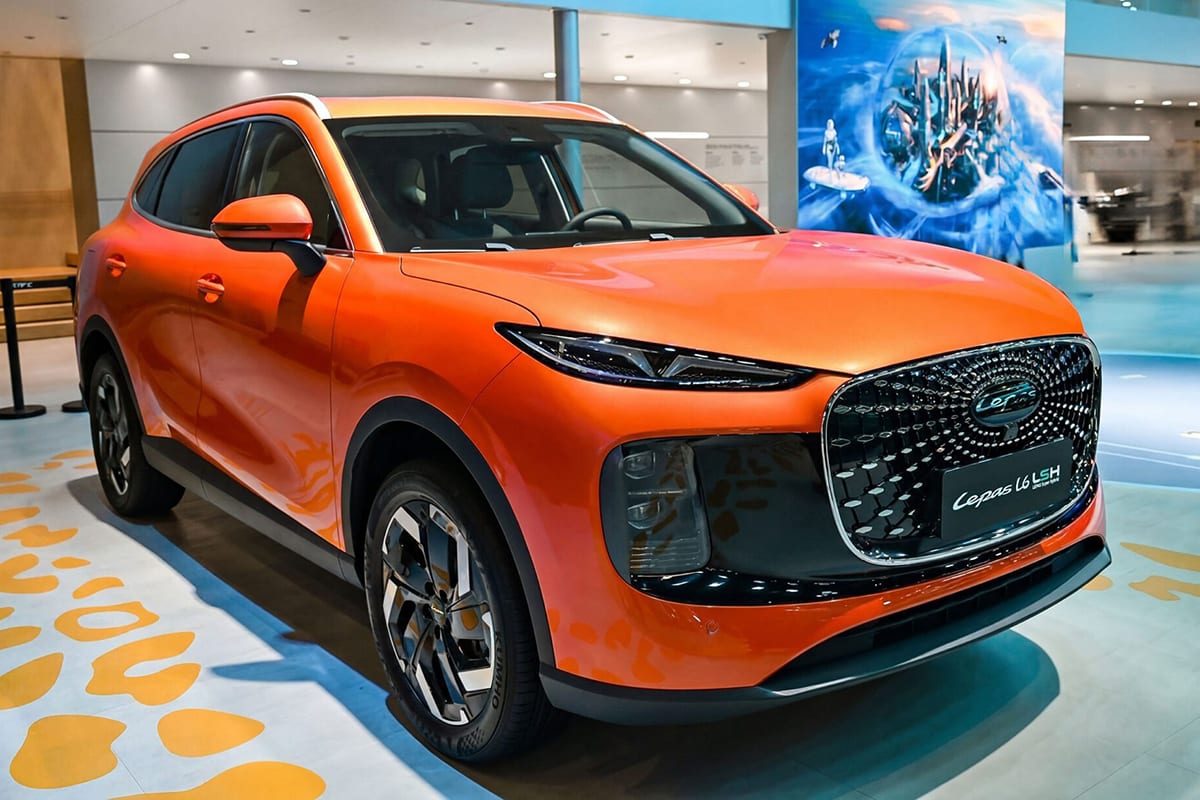
The L6 comes standard with a heated front screen, panoramic sunroof with an electric sunshade, electric tailgate, dual-zone climate control, 50W wireless charger, synthetic leather six-way adjustable heated and ventilated electric seats, and 360-degree surround view cameras. It also includes a Sony sound system.
While Lepas models in markets like South Africa come with a five-year/150,000km warranty, it is likely that the Australian L6 will match the eight-year/unlimited-kilometre warranty offered by Jaecoo models.
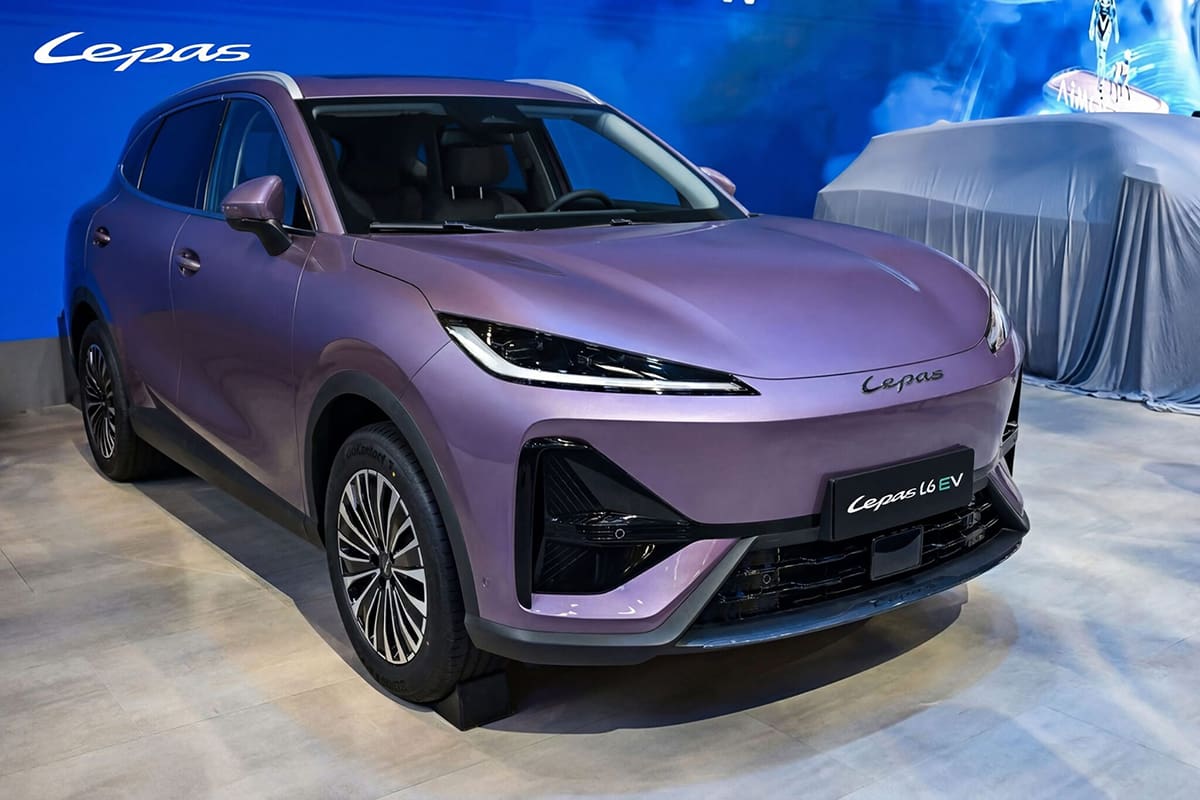
Although the L6 may not have made a strong first impression as a premium brand, it could prove to be a tempting option when it arrives in Australia. With its handsome looks, spacious cabin, and either a smooth PHEV or brisk EV powertrain, the L6 could appeal to those already considering a Jaecoo J7. The suggested price point of at least $40,000 drive-away suggests that it will be a premium choice for discerning buyers.