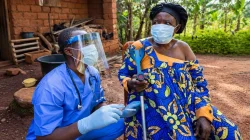
Understanding the Chikungunya Outbreak in Mauritius
Mauritius, a tropical island renowned for its pristine beaches and crystal-clear waters, is currently facing a significant public health challenge. An outbreak of the chikungunya virus has prompted the Centers for Disease Prevention and Control (CDC) to issue a Level 2 travel advisory, urging Americans to take extra precautions when visiting the country.
Chikungunya is a mosquito-borne virus that can cause severe flu-like symptoms, including high fever and intense joint pain. While there is no specific treatment, the virus is vaccine-preventable, and travelers are advised to get vaccinated before their trip. In addition, wearing insect repellent and long clothing can help reduce the risk of mosquito bites.
The Spread of Chikungunya
The virus has been reported in several countries, including Colombia, Cuba, Guatemala, Guyana, Mauritius, Peru, and Saint Lucia. As of February 28, 2026, the European Centre for Disease Prevention and Control (ECDC) recorded 32,758 cases and nine deaths across at least 18 countries.
In Mauritius, the first case was reported in January 2026, with an increasing trend observed in February compared to January. From January to May 11, 2026, the nation recorded 2,816 local chikungunya cases, with 102 active cases as of May 12.

Mauritius, a small island country in the Indian Ocean, attracts about 1.3 million visitors annually, including 15,000 Americans. Local reports indicate that authorities are closely monitoring the situation, noting a gradual increase in infections that requires attention from public health services.
The outbreaks have been concentrated in certain regions, including Rose-Hill, Plaisance, Stanley, Camp-Levieux, Mont-Roche, and Roche-Brunes.
Chikungunya in China and the United States
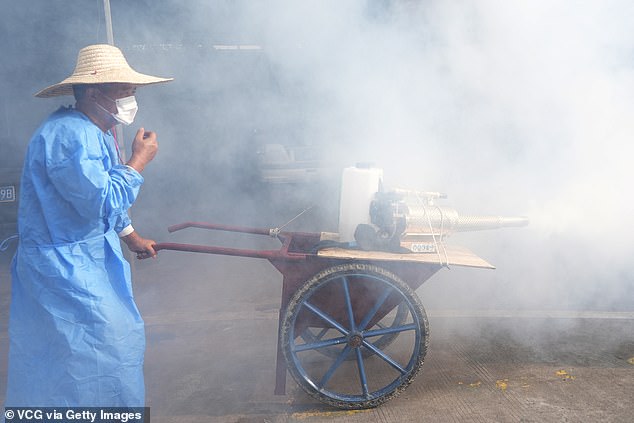
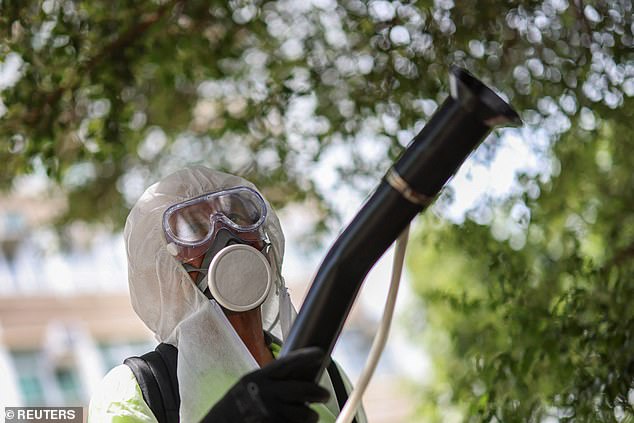
In China, the outbreak began in Foshan on July 8, 2025, with over 3,000 confirmed cases in the first two weeks and more than 10,000 cases within two months. Guangdong Province implemented aggressive vector control measures, similar to those used during the Covid-19 pandemic, including eliminating stagnant water, releasing larvae-eating fish, door-to-door inspections, mandatory patient isolation, and strict surveillance.
Chikungunya has also reached the United States. In September 2025, New York health officials reported a suspected case in a 60-year-old woman from Hempstead, Long Island. Lab tests confirmed she contracted the virus locally, marking the first known case of local transmission in New York. Three additional people in New York tested positive for chikungunya in 2025 after returning from countries where the virus is prevalent.
Symptoms and Impact of Chikungunya
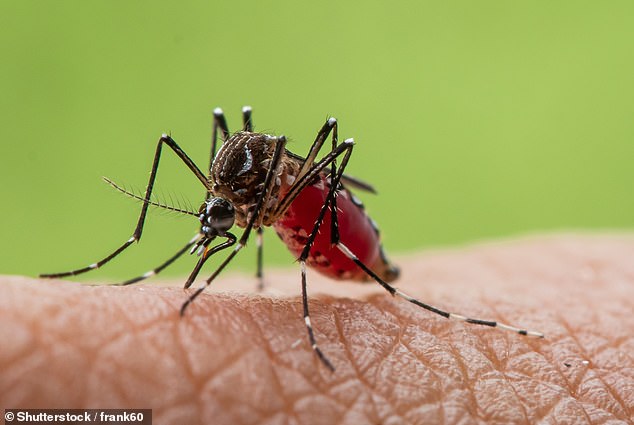
The chikungunya virus is transmitted by Aedes aegypti and Aedes albopictus mosquitoes infected with the virus. Symptoms typically appear three to seven days after being bitten and include a severe flu with high fever and excruciating joint pain, usually in the hands, feet, and knees. A rash, headache, and severe muscle aches follow shortly after.
While most people recover within a week or two, the joint pain can persist for months or even years, leading to stiffness, swelling, and arthritis-like pain. There is no specific treatment for chikungunya, but the death rate is generally low, around one in 1,000 symptomatic cases. However, the risk of death increases significantly among individuals with pre-existing conditions such as diabetes, kidney, or heart disease.
Global Impact and Vaccination Efforts
Globally, there were over 459,000 cases and 146 associated deaths due to chikungunya in the previous year. In the United States, the CDC reported one locally acquired case and 466 travel-associated cases.
A vaccine is available, offering approximately 98% effectiveness, with nearly everyone maintaining immunity for about three years after receiving the shot. This makes vaccination a critical preventive measure for travelers heading to areas with ongoing outbreaks.