A Unique Concept Under Scrutiny
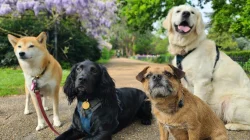
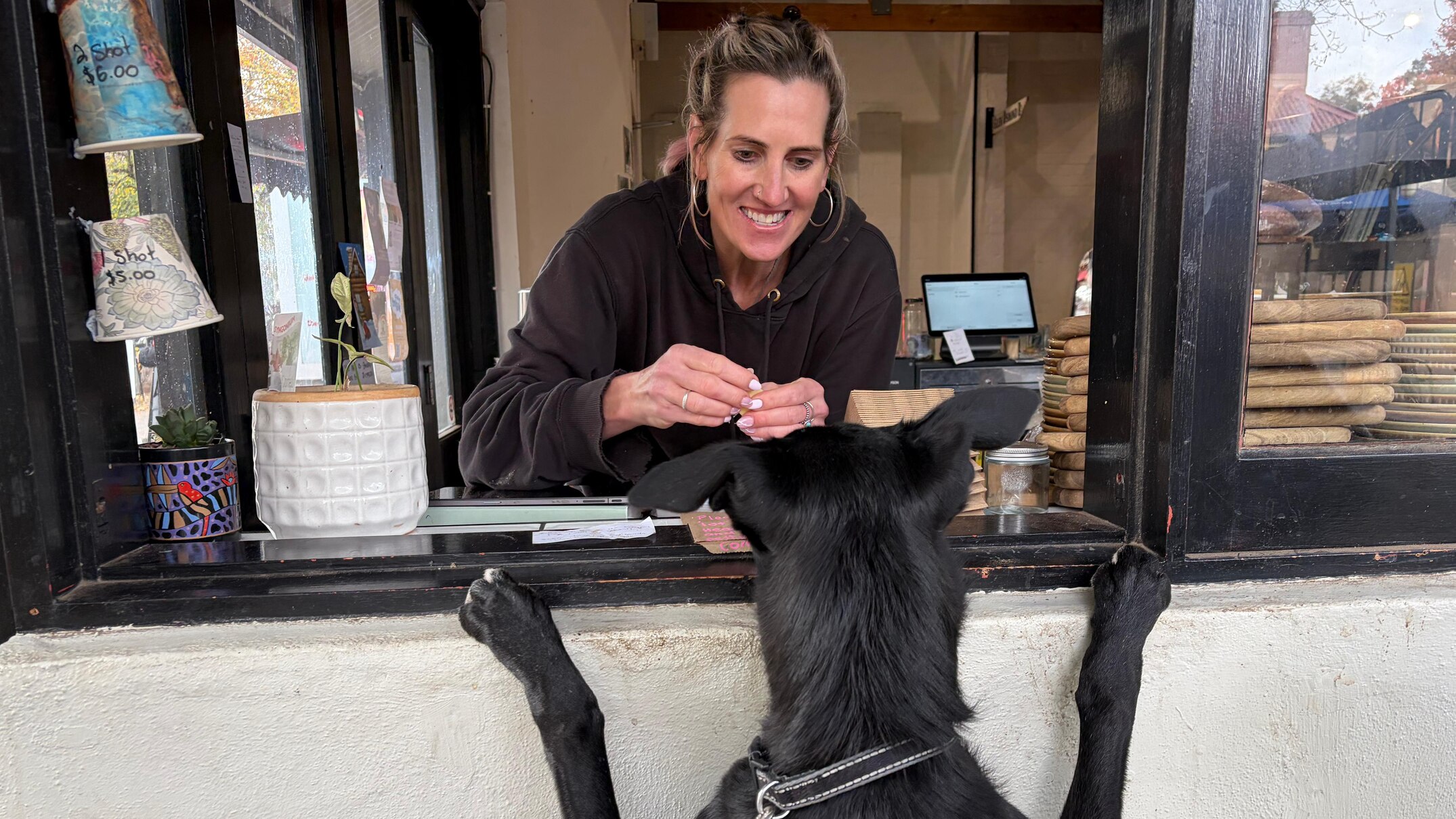
Three-and-a-half years after opening her dog-friendly cafe in the Adelaide Hills, Kellie Hunter has faced a significant challenge from the local council. The Mount Barker District Council issued a stern warning that could result in costly fines for her establishment, Same But Different Cafe, located in Hahndorf. This cafe was created as a welcoming space for locals and tourists to enjoy meals with their pets.
Ms Hunter expressed her feelings about the impact of this situation, stating that the presence of dogs in the cafe brought happiness and joy. “It brings happiness and joy,” she shared with 891 ABC Adelaide. “People see the dogs, it gives you the warm fuzzies, basically — it’s amazing.”
However, a recent complaint led the council to issue a warning regarding food safety standards. As a result, dogs are no longer allowed inside the cafe, and if one does enter, Ms Hunter could face a fine of $2,500. Despite this, she mentioned there had been no issues such as dog hair found in food or unruly dogs inside the premises.
“It’s disappointing that one complaint can completely change the dynamic of the cafe, really, and what I wanted to build,” she said. In response, Ms Hunter has launched an online petition to fight the measure, which has already received over 1,700 signatures.
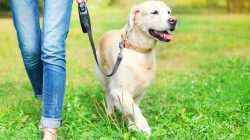
Dogs are still permitted to accompany cafe-goers outside, which is essential for a tourist town where people often travel with their pets throughout the year. The issue sparked a debate among 891 ABC Adelaide listeners regarding whether dogs should be allowed inside cafes.
Pat, originally from Scotland, noted that it was “unusual not to have dogs” allowed inside in Europe. “Some dogs are better behaved than some people,” she remarked. On the other hand, Susan from Kingswood expressed frustration with dogs being in places they don’t belong, like hardware stores.
Council Enforces Food Safety Standards
In a statement, Council Planning and Regulatory General Manager Natalie Armstrong emphasized the importance of enforcing the Australia New Zealand Food Standards Code. “Under this national code, animals are not permitted inside food premises, except for accredited assistance animals in dining and drinking areas,” Ms Armstrong explained.
These requirements are in place to minimize public health risks associated with animals in food handling environments, including the potential spread of pathogens and contamination from hair or other animal waste. She added that council officers had not noticed dogs being allowed inside during earlier inspections of the cafe.
“Council has informed the business owner of their responsibilities under the Food Standards Code,” she said. While acknowledging the cafe’s strong community support and understanding the challenges faced by small businesses, the council does not have the authority to exempt individual businesses from complying with national food safety standards.
Responses from Health Authorities
Ms Hunter mentioned she had emailed SA Health about the issue but had not received a response. In a statement, SA Health clarified that under state law, it is the responsibility of food businesses to comply with the national code. The code includes an exemption allowing for dogs in outdoor dining areas that are not enclosed.
However, SA Health stated that the code does not allow animals in areas where food is handled, including where food is served to customers, with an exception for assistance dogs. “Local councils are responsible for ensuring food businesses within their catchment areas comply with the requirements,” SA Health said.
This situation highlights the ongoing tension between community preferences and regulatory compliance, especially in a unique setting like a dog-friendly cafe. As the debate continues, both the business owner and the council are navigating the complexities of maintaining a safe and welcoming environment for all patrons.