A Legacy of Jazz and Innovation
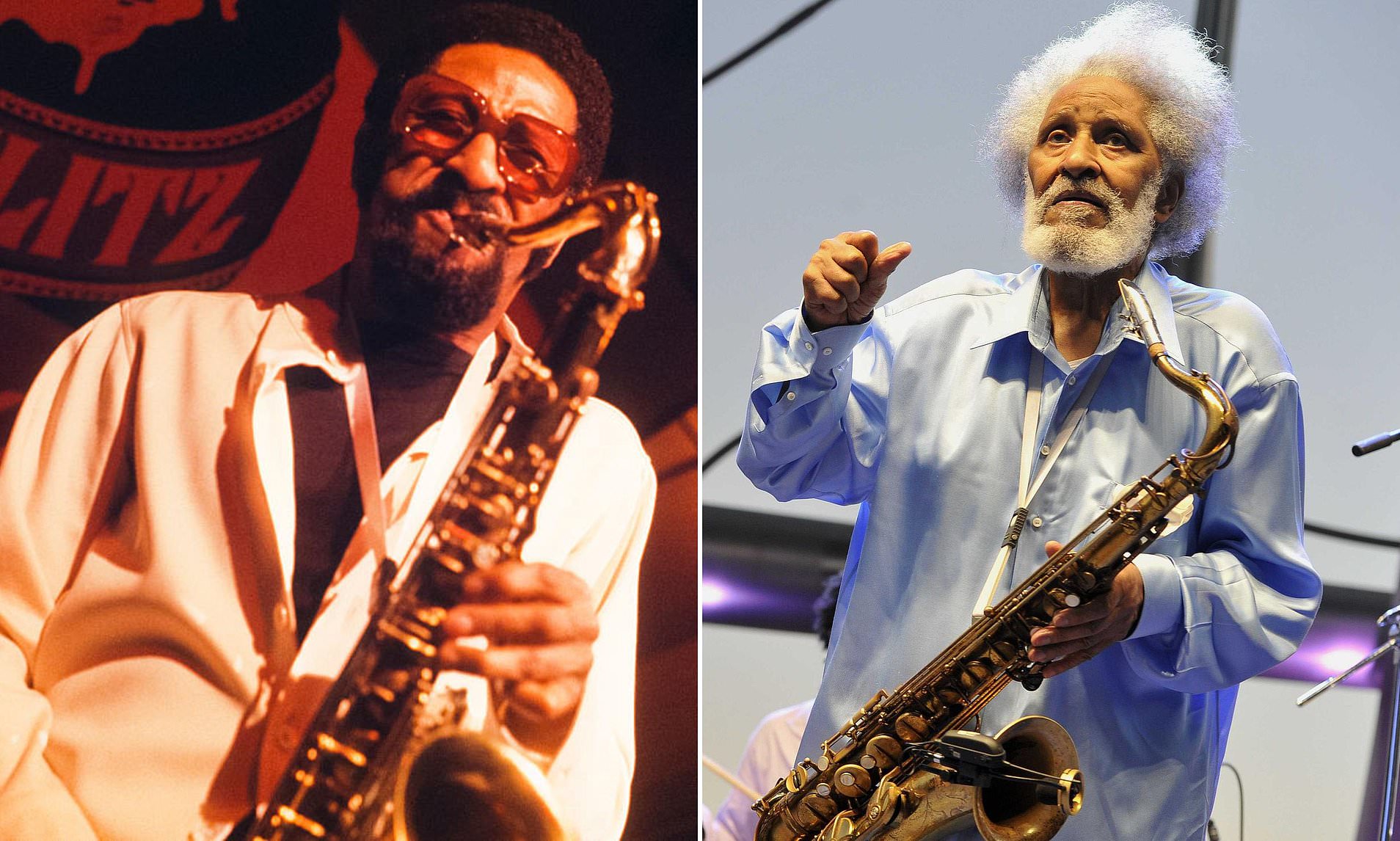
Sonny Rollins, one of the most celebrated tenor saxophonists in jazz history, has passed away at the age of 95. His family shared the news on social media, marking the end of an extraordinary life that left an indelible mark on the world of music.
Known as the ‘Saxophone Colossus,’ Rollins was a towering figure in the jazz scene. He passed away at his home in Woodstock, New York, according to his spokesperson, Terri Hinte. While the specific cause of death was not disclosed, it was noted that he had been dealing with health issues in recent years, which limited his activities.
Born Theodore Walter Rollins in Harlem, New York, on September 7, 1930, Rollins quickly gained recognition as a prodigy. His talent for improvisation set him apart from his peers, and by his teenage years, he was already making waves in the jazz community.
Rollins became one of the defining voices of the bebop era, often performing alongside legendary figures such as Charlie Parker and John Coltrane. Throughout his career, he played with other jazz icons, including Miles Davis, Thelonious Monk, and Dizzy Gillespie.
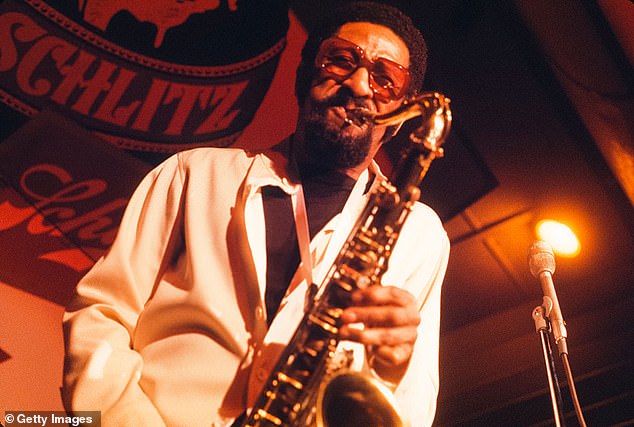
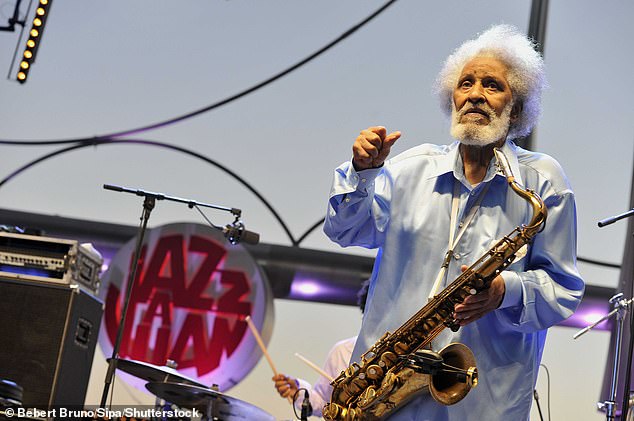
His contributions to jazz extended beyond performance. Rollins served as an unofficial ambassador for the genre, especially after being honored by the Kennedy Center in 2011. In an interview, he reflected on his role, saying, “They’re not here now, so I feel like I’m sort of representing … all of the guys.” He felt a deep sense of responsibility to keep the spirit of jazz alive.
In addition to his work in traditional jazz, Rollins also ventured into rock music, collaborating with the Rolling Stones. He contributed a memorable saxophone solo to their 1981 hit “Waiting on a Friend” from the album Tattoo You.
Despite his fame, Rollins was known for taking breaks from the spotlight. He described himself as a “work in progress,” constantly evolving his style. In 2007, he told the Associated Press, “I don’t consider myself a musician that has learned as much as I want to learn.”
He was also candid about his past work, calling it “excruciating” to listen to older recordings where he detected mistakes. However, this self-criticism did not deter him from continuing to create new music.
Throughout the 1980s, 1990s, and early 2000s, Rollins released multiple albums, showcasing his enduring creativity. He won two Grammy Awards out of seven nominations, with his first win coming in 2001 for best jazz instrumental album for This Is What I Do.
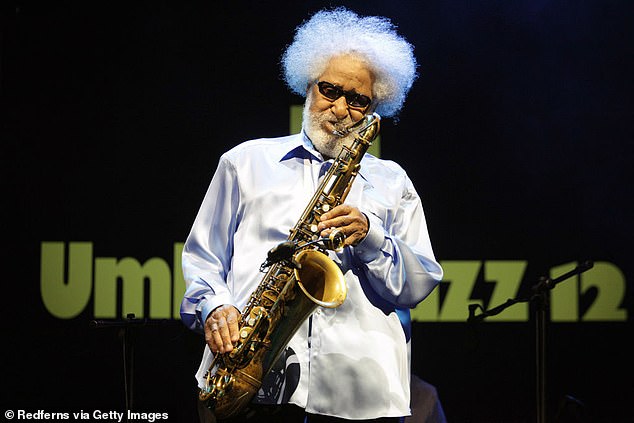
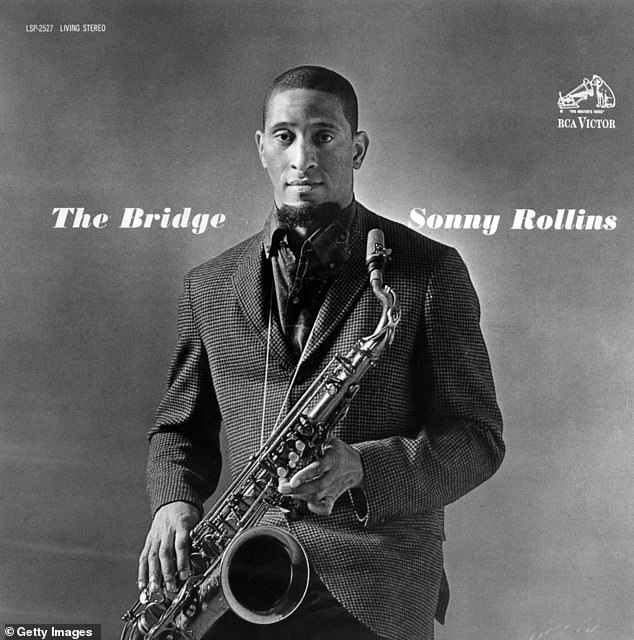
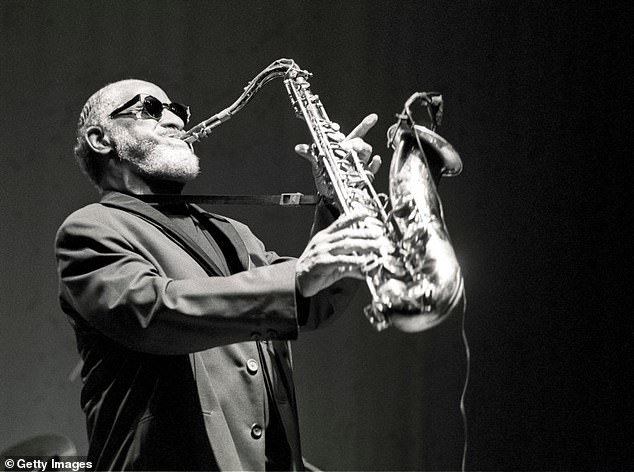
Five years later, he received another Grammy for best jazz instrumental solo for “Why Was I Born?” from the album Without a Song: The 9/11 Concert. This album was recorded during a Boston concert held just four days after the 9/11 attacks, capturing a moment of resilience and reflection.
In 2012, Rollins suffered a lung disease called pulmonary fibrosis, which led to his final live performance. He fully retired from music in 2014.
After retiring, Rollins expressed a deep longing for the connection he felt during performances. In an interview with the New York Times in 2020, he said, “I played a couple of concerts early on where I was out in the open in the afternoon. I was able to look up in the sky, and I felt a communication; I felt that I was part of something. Not the crowd. Something bigger.”
Jazz legend Branford Marsalis paid tribute to Rollins, calling him “one of the greatest ever” and stating that his music would “live forever.”
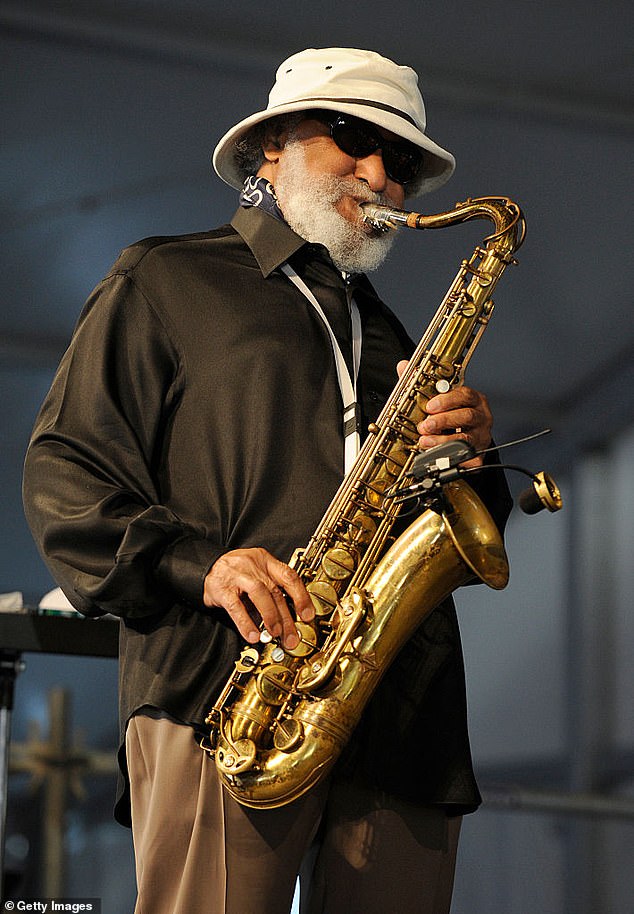
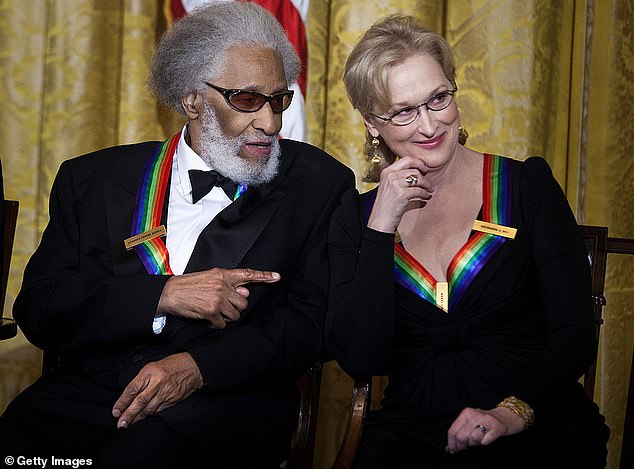
Rollins also reflected on mortality in 2009, sharing his belief that creative people continue in the next existence. “I think when the creative person ends, he continues in the next existence,” he said. “I’m a person who believes this life isn’t the be-all and end-all of everything. A spiritual person doesn’t feel like that.”
He is survived by his nieces Vallyn Anderson and Gabrielle DeGroat, and his nephew Clifton Anderson. His second wife, Lucille, passed away in 2004 after a 40-year marriage.
No public memorial is planned at this time, but his legacy will undoubtedly continue to inspire generations of musicians and fans alike.