New Research Suggests Guava Juice Could Help Combat Iron Deficiency in Women
Iron deficiency is a widespread health issue affecting millions of people globally, particularly women. It is one of the top five causes of disability among women of reproductive age and can lead to fatigue, brain fog, and low mood. While iron deficiency can be treated with supplements, many women experience unpleasant side effects from traditional iron tablets. However, new research suggests that guava juice may offer a natural and effective alternative.
Understanding Iron Deficiency
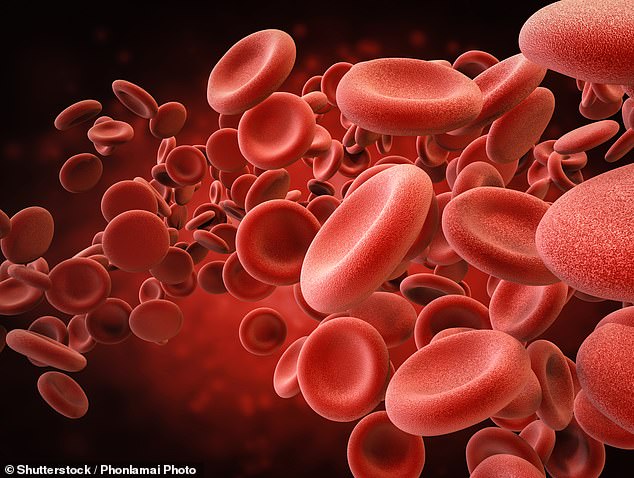
Iron deficiency is defined by the NHS as the most common cause of anaemia, a condition where the blood lacks enough red blood cells or haemoglobin to carry oxygen throughout the body. Women are more likely to suffer from this condition due to their higher iron needs and greater iron loss through menstruation. If left untreated, it can increase the risk of infections, heart failure, and complications during pregnancy.
The standard treatment for iron deficiency involves taking iron tablets. However, these pills often come with side effects such as constipation, abdominal pain, heartburn, and nausea, leading to poor adherence among patients.
The Role of Guava Juice
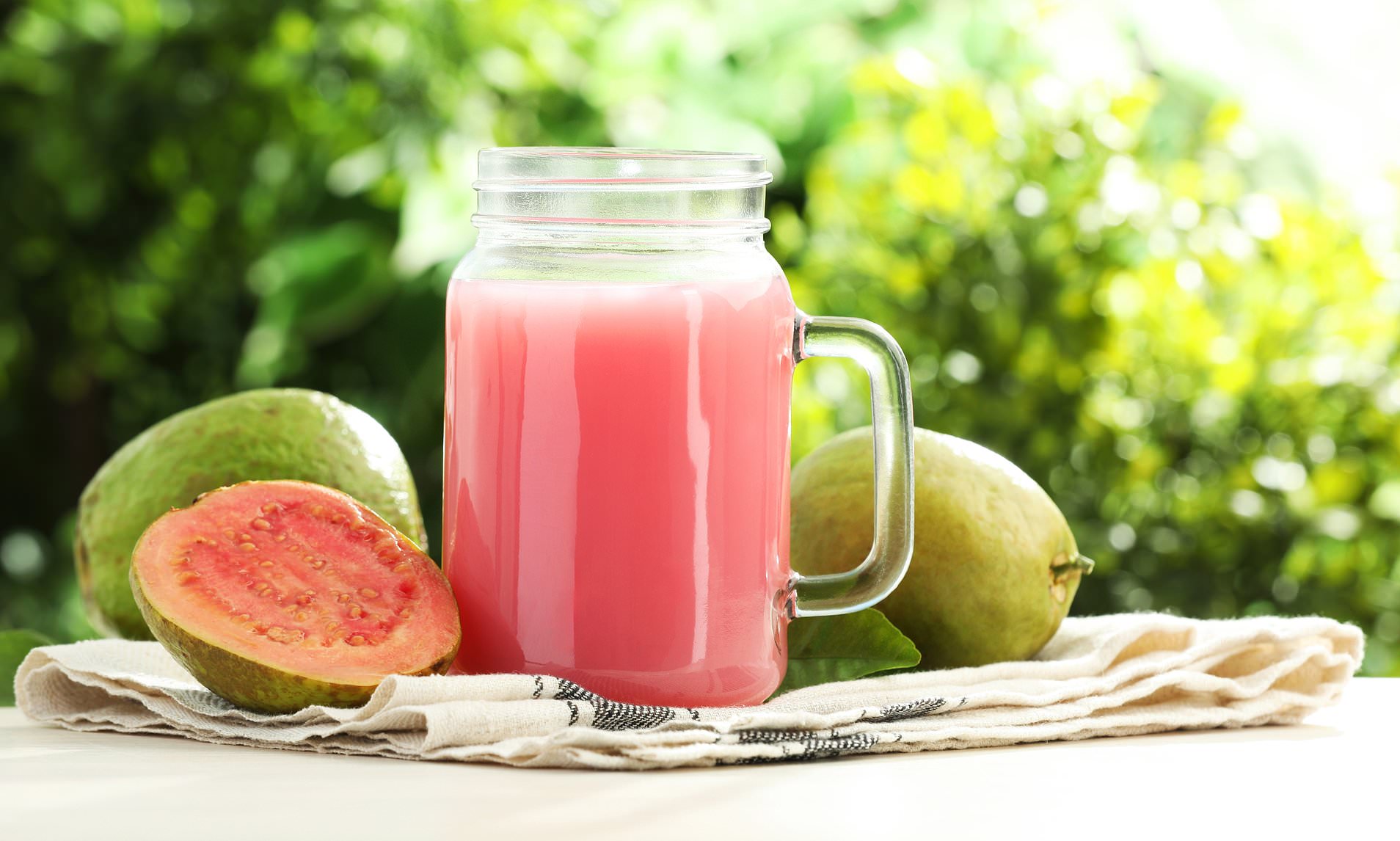
Recent studies have shown that guava juice could help boost iron levels without the negative side effects associated with traditional supplements. Scientists believe that guava juice contains high levels of vitamin C, which enhances the absorption of iron from plant-based foods like leafy greens, pulses, nuts, and seeds.
Vitamin C is known to increase the amount of iron absorbed by the body, which is why the NHS recommends taking iron supplements with orange juice or vitamin C tablets. Guava, however, contains around four times as much vitamin C per 100g as oranges, making it an even more effective source of this essential nutrient.
In addition to vitamin C, guava provides vitamin A, folate, and iron – all of which are crucial for young women, especially those who are trying to conceive or in early pregnancy.
Study Findings
A study published in BMJ Nutrition Prevention & Health analysed data from 12 studies involving 235 women and teenage girls. Researchers found that guava juice was particularly effective for pregnant women, with 42% of them becoming anaemic during pregnancy. Those who drank guava juice saw a significant increase in haemoglobin levels, which is essential for carrying oxygen in the blood.
The study also compared the effectiveness of iron supplements with guava juice. In five studies involving over 200 women, drinking guava juice boosted iron levels by around 1.3g/dl. This increase is believed to be enough to reverse symptoms of anaemia, shifting individuals from mild or moderate anaemia to non-anemic categories.
Potential Implications
Researchers suggest that guava juice could be integrated into school nutrition programmes and antenatal care packages, especially in low- and middle-income countries. Given its nutritional value and affordability, guava juice offers a promising low-cost intervention for combating anaemia.
However, they acknowledge that further research is needed to determine the best therapeutic dose and duration of use. They caution that guava juice should not be seen as a replacement for conventional treatments but rather as a complementary approach.
Dr Susan Jain, an expert in iron deficiency, highlighted that while the research was conducted in Indonesia, the findings could still be relevant in other regions. She noted that fresh guava juice is one of the richest common sources of vitamin C, which is critical for maximizing plant-based iron sources.
Global Impact of Iron Deficiency
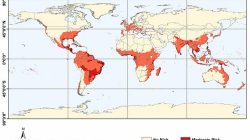
Globally, around two billion people suffer from iron deficiency, with 1.2 billion affected by iron-deficiency anaemia. Poor diet, heavy periods, frequent pregnancies, and limited access to healthcare are key contributing factors. Iron deficiency affects just 3% of men but around a third of women, yet its symptoms are often overlooked or dismissed.
The NHS recommends different daily iron intake levels based on age and gender. Most people can get sufficient iron from their diet, with good sources including liver, red meat, pulses, nuts, dried fruit, and fortified cereals. However, women who lose a lot of blood during their period may need supplements to maintain healthy iron levels.
Those experiencing symptoms of iron deficiency anaemia are advised to consult their GP for a blood test and appropriate treatment.